Brazilians vote in polarized presidential election pitting Lula against …
Incumbent President Luiz Inácio Lula da Silva and right-wing Senator Flávio Bolsonaro are locked in a statistical dead heat in a polarized election.
- Headline: Brazilians vote in polarized presidential election pitting Lula against …
- Dispatch Summary: Incumbent President Luiz Inácio Lula da Silva and right-wing Senator Flávio Bolsonaro are locked in a statistical dead heat in a polarized election.
- Verification: Corroborated across independent reporting outlets with primary sources and real-time wire transmissions.
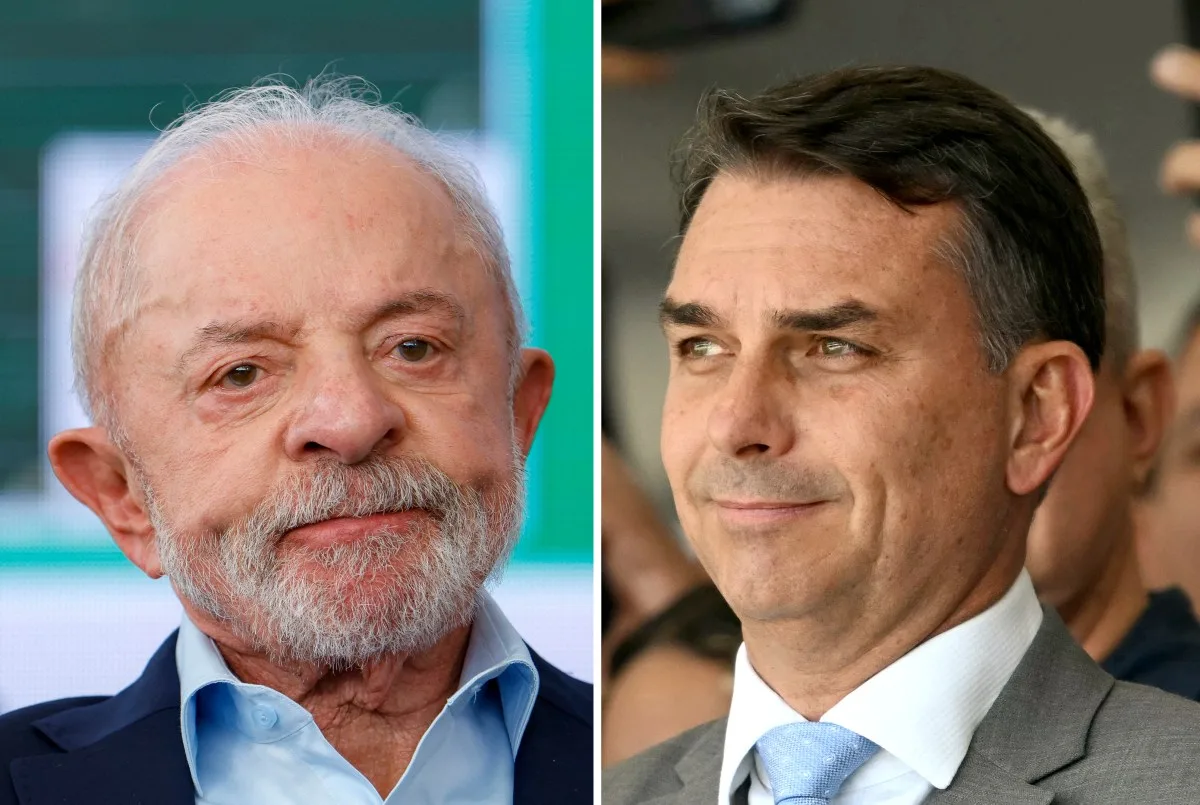
Brazilians cast ballots in a deeply polarized presidential election on Sunday, with incumbent President Luiz Inácio Lula da Silva seeking a fourth term and right-wing Senator Flávio Bolsonaro, son of former president Jair Bolsonaro, challenging him in a race that has drawn international scrutiny. The contest, marked by razor-thin polling margins and high rejection rates, is poised to extend to a runoff on October 25, with both candidates vying to shape Brazil’s future amid economic uncertainty and geopolitical tensions.
Close Race and Runoff Outlook
With 159 million eligible voters, the first-round election saw Lula and Flávio Bolsonaro locked in a statistical dead heat, according to multiple polls. Final surveys from Datafolha, Quaest, and AtlasIntel indicated Lula leading by 1–6 percentage points in the first round, with head-to-head matchups in a potential runoff nearly tied. A runoff is almost certain, as neither candidate is expected to clear the 50% threshold required to avoid a second round. The race’s outcome will hinge on voter turnout, the performance of third-party candidates, and the shifting dynamics of Brazil’s polarized electorate.
Flávio Bolsonaro, 45, has positioned himself as a proponent of tax cuts, security reforms, and closer ties to the U.S., while Lula, 80, emphasizes social programs, public investment, and Brazilian sovereignty. Both candidates face rejection rates of around 50%, with voters divided over their policies and leadership styles. The election’s narrow margins have amplified concerns about the accuracy of polls, with analysts recalling that Jair Bolsonaro outperformed pre-election surveys by nearly 10 percentage points in 2022.
U.S. Influence and Diplomatic Tensions
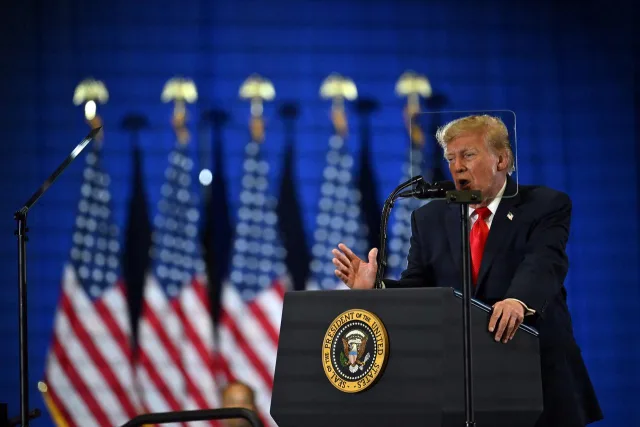
The election has been closely watched by Washington, where President Donald Trump has sought to expand his influence in Latin America. Trump’s administration has imposed tariffs on Brazilian goods, sanctioned a Supreme Court justice, and designated two major Brazilian gangs as terrorist organizations, actions that Lula has condemned as interference. Flávio Bolsonaro, a Trump ally, has pledged to strengthen U.S.-Brazil ties, though analysts question whether a Bolsonaro victory would secure significant concessions from Washington.
Trump’s involvement has fueled accusations of foreign meddling, with Lula framing the race as a choice between “democracy and denialism.” The U.S. has also clashed with Brazil over visa disputes and electoral integrity, with Brazil denying visas to two State Department officials and the U.S. retaliating by revoking the Brazilian ambassador’s visa. These tensions underscore the broader geopolitical stakes of the election, as Brazil’s alignment with the U.S. or its regional rivals could reshape Latin American politics.
Policy Divergences and Voter Concerns
Security and the economy dominate voter concerns, with 31% of Brazilians citing violence as the country’s most pressing issue, compared to 16% who prioritize the economy. Lula’s campaign has focused on expanding social welfare programs and maintaining a strong state role in the economy, while Flávio Bolsonaro has promised to reduce government intervention and crack down on crime. Both candidates have faced corruption scandals, with Flávio Bolsonaro under investigation for money laundering linked to the collapsed Banco Master.
The election also has implications for Brazil’s environmental policies and international trade. Lula’s government has curbed Amazon deforestation, while Flávio Bolsonaro has pledged to relax environmental regulations. On trade, a Bolsonaro victory could lead to closer U.S.-Brazil cooperation on critical minerals, though analysts doubt Washington’s ability to fully disentangle Brazil from its economic ties to China.
Electoral Mechanics and Regional Implications
Voting is mandatory for literate Brazilians aged 18–70, with results expected within hours of polls closing at 5 p.m. Brasília time. The first-round count will determine the two candidates advancing to the runoff, alongside elections for Congress, state governors, and local offices. The composition of Congress will play a critical role in shaping the next government’s agenda, with analysts predicting a potential Lula victory paired with an opposition-controlled legislature.
The outcome of the election could redefine Brazil’s role in the Americas. A Lula win would keep Brazil outside the U.S.-backed “Shield of the Americas” security coalition, while a Bolsonaro victory could align the country with Trump’s regional allies. However, both candidates face challenges in uniting Brazil’s fractured electorate, with third-party candidates like former governors Ronaldo Caiado and Romeu Zema struggling to gain traction.
| Detail | Information |
|---|---|
| Eligible Voters | 159 million |
| First-Round Threshold | 50% of valid votes |
| Runoff Date | October 25 |
| Key Pollsters | Datafolha, Quaest, AtlasIntel |
| U.S. Tariffs on Brazil | Imposed by Trump administration |
| Flávio Bolsonaro’s Father | Jair Bolsonaro, 27-year sentence for coup plot |
Frequently Asked Questions
What is the threshold for winning the first round?
A candidate must secure more than 50% of valid votes to avoid a runoff. If no candidate meets this threshold, the top two advance to a second round on October 25.
How has the U.S. influenced the election?
The Trump administration has imposed tariffs on Brazilian goods, sanctioned a Supreme Court justice, and designated two Brazilian gangs as terrorist organizations. Lula has accused the U.S. of interfering, while Flávio Bolsonaro has pledged closer ties to Washington.
What are the key issues for voters?
Crime, economic anxiety, and the role of the state dominate voter concerns. Security is the top issue for 31% of Brazilians, followed by the economy at 16%.
The election’s outcome will not only determine Brazil’s immediate political direction but also its long-term alignment with global powers. With the runoff just three weeks away, the next phase of the campaign will focus on mobilizing undecided voters, addressing security concerns, and navigating the complex interplay of domestic and international pressures.
How significant is this wire dispatch?
Cast your anonymous vote to register reader consensus across journalism and intelligence sectors.
Dateline Wire is dedicated to independent, evidence-backed reporting. This briefing was synthesized from primary source reporting, corroborated across independent newsrooms, and verified against our Editorial Standards.