Supreme Court allows Trump to use SAVE database for voter citizenship ch…
A Supreme Court ruling overturned a lower court's block on the SAVE database, allowing states to use the system to verify voter citizenship status.
- Headline: Supreme Court allows Trump to use SAVE database for voter citizenship ch…
- Dispatch Summary: A Supreme Court ruling overturned a lower court's block on the SAVE database, allowing states to use the system to verify voter citizenship status.
- Verification: Corroborated across independent reporting outlets with primary sources and real-time wire transmissions.
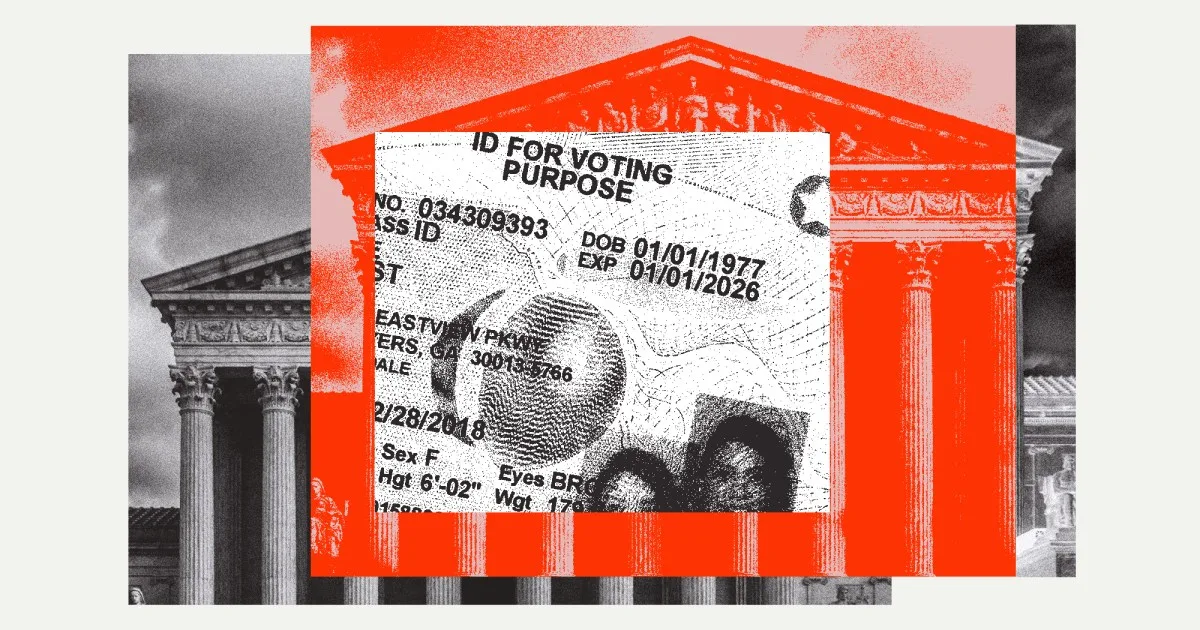
Supreme Court Unblocks Trump’s Voter Citizenship Database
The U.S. Supreme Court on Friday cleared the way for the Trump administration to use the Systematic Alien Verification for Entitlements (SAVE) database to check the citizenship status of voters, a move critics say risks disenfranchising eligible voters and undermining election integrity.
The 6-3 decision overturned a lower court’s block on the database, which was expanded under Trump to include bulk searches of Social Security numbers and other sensitive data. The ruling allows states to use the system to verify voter eligibility, despite concerns about its accuracy and potential for misuse.
SAVE Database’s Flaws and Legal Challenges
The SAVE database, created in 1986 to verify citizenship for government benefits, has long been criticized for producing false positives that wrongly flag U.S. citizens as noncitizens. A federal district court in June ruled the system violated privacy rights and threatened the right to vote, citing its “haphazard” design and unreliable data.
Justice Ketanji Brown Jackson, joined by Justices Elena Kagan and Sonia Sotomayor, dissented, arguing that the risks of disenfranchising voters outweighed any hypothetical benefits. “The harm caused by burdening or disenfranchising even a few lawful voters outweighs the nonexistent harm that the government experiences when it is prevented from taking an action that it likely lacks the authority to take,” she wrote.
Despite the dissent, the majority opinion emphasized Congress’s authorization of the database, stating the federal government has an “obligation to respond” to state requests for citizenship verification. The court also noted that the National Voter Registration Act limits large-scale voter purges within 90 days of an election, potentially limiting the database’s immediate impact on the 2026 midterms.
Errors and Political Implications
Several states, including Missouri and Texas, have already used the SAVE database to flag voters, with significant error rates. In Missouri, 81% of flagged voters were later found to be U.S. citizens, while Texas officials reported 25% of matches involved individuals who had proven their citizenship. These cases highlight the system’s susceptibility to inaccuracies, which advocates argue disproportionately affect naturalized citizens, immigrants, and voters with name discrepancies.
The Trump administration has defended the database as a tool to “combat noncitizen voting,” a claim critics say is exaggerated. Studies show noncitizen voting is extremely rare, with the Heritage Foundation documenting only 68 confirmed cases since 2000. However, the administration has used the database to make sweeping assertions about voter fraud, including a debunked claim of 15,903 noncitizens registered in Nevada, later revised to 185.
Republican-led states have leveraged the system to remove voters from rolls, with Texas alone canceling registrations for hundreds of individuals. Advocacy groups warn such actions risk disenfranchising Democratic-leaning voters, framing the effort as a political strategy to narrow the electorate.
Table: Key Details on SAVE Database and Legal Ruling
| Detail | Information |
|---|---|
| SAVE Database Origin | Created in 1986 to verify citizenship for government benefits. |
| Trump’s Expansion | Added bulk searches, Social Security numbers, and native-born American data. |
| Error Rates | 81% of flagged voters in Missouri were later confirmed as citizens; 25% in Texas. |
| Supreme Court Ruling | 6-3 decision allowing use of database, overturning a lower court’s block. |
| Dissenting Justices | Justice Ketanji Brown Jackson, Elena Kagan, and Sonia Sotomayor. |
Frequently Asked Questions
What is the SAVE database, and why is it controversial?
The SAVE database, created in 1986, verifies citizenship for government benefits but has been expanded under the Trump administration to check voter eligibility. Critics argue it produces false positives, risking the removal of lawful voters, while the administration claims it combats noncitizen voting.
How did the Supreme Court rule on its use?
The Court ruled 6-3 to allow the database’s use, overturning a lower court’s block. The majority argued Congress authorized the system, while dissenting justices warned of voter disenfranchisement and privacy violations.
What are the potential impacts on elections?
The ruling may enable states to flag voters more aggressively, though the National Voter Registration Act limits large-scale purges near elections. Advocates fear it could amplify false claims of fraud, undermining public confidence in results.
The decision underscores the deepening divide over election security and civil liberties, with the SAVE database at the center of a broader political battle. While the Trump administration frames the tool as essential to safeguarding elections, critics warn it risks eroding trust in democratic processes. As the midterms approach, the next steps will hinge on state implementation and ongoing legal challenges.
How significant is this wire dispatch?
Cast your anonymous vote to register reader consensus across journalism and intelligence sectors.
Dateline Wire is dedicated to independent, evidence-backed reporting. This briefing was synthesized from primary source reporting, corroborated across independent newsrooms, and verified against our Editorial Standards.