Flávio Bolsonaro flees Brazil after presidential election loss, reports say
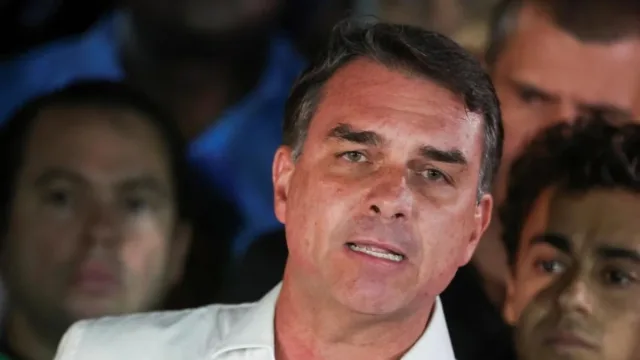
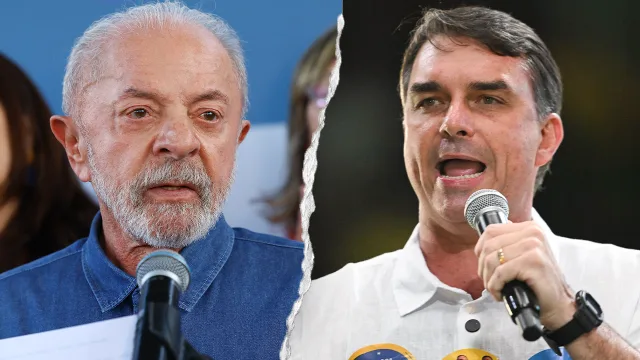
Following his presidential election defeat to Luiz Inácio Lula da Silva, Flávio Bolsonaro has reportedly left Brazil for the United States amid mounting investigations.
- Headline: Flávio Bolsonaro flees Brazil after presidential election loss, reports say
- Dispatch Summary: Following his presidential election defeat to Luiz Inácio Lula da Silva, Flávio Bolsonaro has reportedly left Brazil for the United States amid mounting investigations.
- Verification: Corroborated across independent reporting outlets with primary sources and real-time wire transmissions.
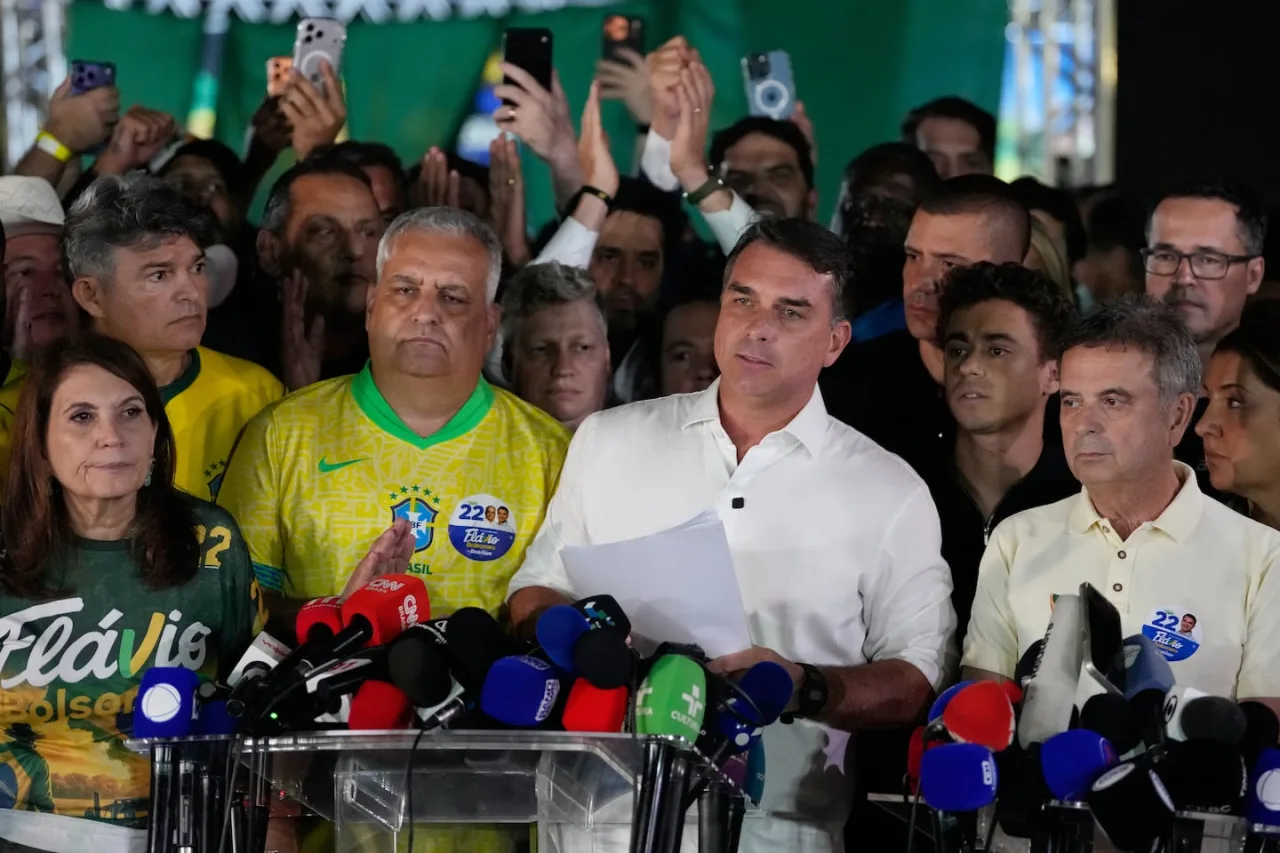
Defeated Brazilian presidential candidate Flávio Bolsonaro has left Brazil for the United States following his runoff loss to incumbent President Luiz Inácio Lula da Silva, according to multiple media reports. That departure unfolded as allies and investigators gave conflicting accounts of his movements, with reports placing him on a flight to Florida after he missed a deadline to surrender his passports.
Bolsonaro, 45, failed to appear by Tuesday morning to hand over his regular and diplomatic documents to the federal police. Supreme Federal Court Justice Alexandre de Moraes had issued the sealed order on Sunday, shortly after Lula secured a victory with more than 64 million votes compared with fewer than 60 million for Bolsonaro, a margin of nearly 4%. Lawmakers from Lula's Workers' Party subsequently asked the Supreme Court to order Bolsonaro's arrest and place his name on Interpol's Red Notice list, noting that he possesses Italian citizenship and reportedly holds a European passport.
How did the departure unfold across international borders?
The timeline of Bolsonaro's exit remains murky due to conflicting reports from regional outlets and officials. The Argentinian news website Infobae reported that Bolsonaro crossed into Argentina on Monday night, arriving at the town of Puerto Iguazú at 2 am on Tuesday using his national identity card. According to Infobae, a private Gulfstream G400 aircraft with registration LV-JQW, owned by Baires Fly SA, requested customs clearance for four passengers and three crew members after flying from Buenos Aires to Puerto Iguazú on Monday at 10:20 pm.
However, the Argentinian channel Todo Noticias reported that the senator crossed the border on foot and abandoned plans to board the private jet once news of his movements leaked. A spokesperson for Argentina's Ministry of Security denied that the Brazilian senator had entered the country, and a police source told the AFP news agency that there was no formal immigration record of him leaving Brazil. Meanwhile, sources told the Brazilian news website Metrópoles and the Folha de S Paulo newspaper that Bolsonaro was en route to Florida with his wife and two daughters, with family allies claiming the Trump administration was aware of the trip and intended to grant him asylum. US officials confirmed his departure to CNN and Reuters.
That chaotic exit contrasts sharply with the video Bolsonaro posted on Monday on his social media channels. In the recording, he insisted he had no plans to leave Brazil and intended to organize congressional opposition to the election results, which he has refused to concede while making unsubstantiated allegations of fraud. US President Donald Trump added to the international friction on Monday by telling reporters the election looked rigged
and very bad to me,
though he also remarked, I didn't take sides.
That leaves prosecutors and investigators navigating a high-stakes jurisdictional vacuum. Legal analysts point out that defying the passport surrender order provides clear grounds for an arrest warrant, yet federal police have been left scrambling to verify whether the senator successfully slipped past border checkpoints.
What legal and political pressures drove the decision to leave?
Bolsonaro departed under the weight of mounting criminal investigations and an expiring political shield. He is currently under investigation by Brazil's Supreme Court in two separate cases for alleged corruption, money laundering, and tax evasion. One inquiry accuses him of using a sports betting company to launder fraudulent deductions from senior citizens' government pensions, while another involves millions of dollars allegedly accepted from a disgraced banker to fund his brother Eduardo Bolsonaro's expenses and promote family political aims with the Trump administration.
Furthermore, Bolsonaro's eight-year term as a senator expires Jan. 31, 2027. That date matters because it strips him of special jurisdiction at the Supreme Court, exposing him to standard lower-court prosecution. A report in the Brazilian newspaper O Globo noted that during a meeting with friends and lawyers on Monday, the defeated candidate appeared possessed and made it clear he was afraid of being arrested.
His brother Eduardo Bolsonaro, who lives in the United States, had publicly encouraged him to leave Brazil if he lost the election. Eduardo was convicted in absentia in June of illegally lobbying the Trump administration and sentenced to four years in prison, with an active warrant currently out for his arrest.
That pattern of familial exile mirrors the path of the family patriarch, former President Jair Bolsonaro, who went to the US after losing to Lula in 2022 before returning to Brazil, where he was subsequently sentenced to 27 years in prison for plotting a coup. Political scientist Magna Inácio of the Federal University of Minas Gerais suggests that the departure of multiple family members fundamentally alters the domestic political landscape. The resistance of Brazilian voters to handing victory to this more extremist camp sends a signal that the right leadership is now up for grabs,
Inácio said, pointing to an emerging power vacuum.
That judgment highlights how quickly the far-right movement in Brazil is fracturing. Without the active physical presence of Jair, Flávio, and Eduardo Bolsonaro, the faction that dominated national politics since 2018 faces an unprecedented crisis of succession.
What does this mean for the future of Brazil's right wing?
The sudden removal of three prominent figures from the Bolsonaro family could permanently shift power away from bloodlines. Camila Rocha, a political scientist who studies Brazil's new right, argues that voters and party insiders are ready to look beyond the family patriarch's sons. I think there is a tendency for power to move away from the sons,
Rocha said, noting that pre-election polls showed strong grassroots preference for other figures, including recently elected Senator Michelle Bolsonaro and São Paulo Governor Tarcísio de Freitas.
Flávio Bolsonaro himself reportedly entered the presidential race reluctantly, believing a national executive campaign would turn his life into hell
when he preferred a safer run for the Senate. Despite lacking his father's charisma and passing very few laws across a 24-year legislative career, Flávio still captured 48.21% of the vote on Sunday. Analysts view that substantial tally not as personal devotion to Flávio, but as a combination of anti-Lula sentiment and enduring loyalty to the broader Bolsonarismo brand.
Tensions are already brewing among those left behind. Inácio predicts that internal friction between Michelle Bolsonaro and the family's surviving political sons in congress—senator-elect Carlos Bolsonaro and congressman-elect Jair Renan Bolsonaro, who do not get along with their stepmother—will inevitably surface. Michelle clearly has a political project of her own, but she is likely to face strong resistance from the two stepsons who are in congress. It is only a matter of time between tensions between them grow,
Inácio said.
That factional rivalry leaves the right wing divided just as Lula begins his presidency. The movement must now contend with an incarcerated founder, exiled leaders, and a scramble for control ahead of December certification deadlines.
For readers tracking these developments from abroad or within Brazil, legal experts and news reports emphasize several immediate steps and verification points to monitor:
- Check official statements from the Brazilian Federal Police regarding whether formal Interpol Red Notice procedures have been initiated against Flávio Bolsonaro.
- Monitor updates from the Supreme Federal Court in Brasilia concerning potential new arrest warrants issued for defying the passport surrender deadline.
- Follow regional reports from outlets like Folha de S Paulo and Metrópoles for confirmation of the senator's physical arrival in Florida and any formal asylum filings with US immigration authorities.
- Watch for Liberal Party announcements regarding whether the party will officially drop its challenges to the electoral court before the certification deadline on Dec. 18.
The definitive test of the government's reach will arrive well before December, as federal authorities decide whether international diplomatic pressure or extradition requests can pierce the asylum protection claimed by the Bolsonaro family in the United States.