Visa, Mastercard and JPMorgan Customer Data Leaked by Hackers
The n0n ransomware group leaked marketing spreadsheets containing customer contact details after breaching third-party service providers.

If you hold an invitation-only Chase Reserve credit card, a premium Visa in the Asia-Pacific region, or a specific Mastercard benefits program, your contact details may be sitting on a hacker extortion site today. A ransomware group known as n0n has leaked marketing spreadsheets containing email addresses, phone numbers, and account identifiers after a ransom deadline expired, though all three financial giants confirm their core payment networks and card processing systems were left untouched.
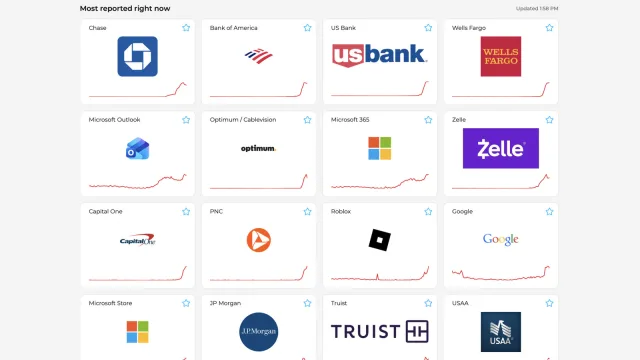
The disclosures follow a turbulent week for American financial infrastructure, arriving just days after an unrelated software bug in on-premise hardware systems caused online banking delays for JPMorgan Chase customers. The Office of the Comptroller of the Currency subsequently inquired about that outage to assess its impact and customer communications, according to an industry executive cited by the New York Post. The banking giant stated there is no connection between Monday's service disruption and the vendor cyberattacks.
Third-Party Vendors Take the Hit
The breach did not penetrate the inner defenses of JPMorgan Chase, Visa, or Mastercard. Instead, investigators found that the n0n ransomware group targeted outside service providers handling marketing, dining, and loyalty programs. The campaign began on November 9 when n0n added a generic listing labeled Company #150 to its Tor-based extortion site. By November 16, the hackers explicitly named the three financial institutions and issued a 48-hour ransom deadline. When that window closed on November 19, the group published the stolen spreadsheets online.
Security researchers at Cybernews examined a leaked file measuring 502 kilobytes, which contained about 16,000 customer email addresses, phone numbers, and Chase account IDs, alongside 124 email addresses belonging to bank staff. That dataset relates to the JPMorgan Reserve card, an exclusive Visa product typically reserved for clients with more than $10 million in assets under management. This association alone makes the leak a lot more sensitive,
said Aras Nazarovas, a senior security researcher at Cybernews, as reported by The Next Web.
What Is Confirmed and What Remains Unknown
While the affected companies have acknowledged security incidents involving outside partners, critical details regarding the compromised vendors remain undisclosed. None of the three financial firms have named the specific third-party companies involved or clarified whether the published file represents a mere sample of a larger haul or the entirety of the stolen data. Cybersecurity researchers at Cybernews noted they could not independently verify the full extent of the information.
The confirmed exposure spans multiple regions and card tiers across the three networks:
- November 9: The n0n ransomware group added a generic Company #150 listing to its Tor-based extortion site.
- November 16: The group named Visa, Mastercard, and JPMorgan and issued a 48-hour ransom deadline.
- November 19: The 48-hour ransom deadline expired, and n0n published the stolen marketing spreadsheets online.
- November 19: JPMorgan Chase, Visa, and Mastercard confirmed vendor-related cyberattacks.
- November 19: Chase experienced online banking delays attributed to an on-premise hardware software bug, which the bank said was unrelated to the cyberattacks.
Visa reported that an Asia-Pacific service provider was targeted, impacting more than 6,000 premium cardholders. Mastercard spokesperson Seth Eisen told The Verge that the exposure involved a limited number of email addresses belonging to a small subset of cardholders enrolled in a specific benefit program.
Financial Giants Insist Core Payment Networks Are Secure
Executives across all three organizations emphasized that sensitive financial data was kept out of reach. JPMorgan Chase, Visa, and Mastercard maintained that no card numbers, payment details, or core transaction processing networks were compromised during the vendor intrusions.
There is no impact to the Mastercard payment network or the ability for people to use their cards,
a Mastercard spokesperson told Business Insider, adding that the exposure has been contained. Visa echoed that stance, stating through a spokesperson that its own systems were not involved or impacted and that no payment data such as card numbers were affected.
For ordinary cardholders, the risks lean toward secondary threats such as phishing campaigns and targeted spam. Email addresses can occasionally be cross-referenced to uncover home addresses and phone numbers. In response, JPMorgan Chase stated that where appropriate, it will contact affected customers directly and offer support, including complimentary credit monitoring. Mastercard teams are likewise working with their provider to support affected cardholders as needed.