Supreme Court restores Trump's mass voter verification system
A 6-3 Supreme Court ruling allows states to use the SAVE database for citizenship checks, overturning a lower court's injunction blocking the program.
- Headline: Supreme Court restores Trump's mass voter verification system
- Dispatch Summary: A 6-3 Supreme Court ruling allows states to use the SAVE database for citizenship checks, overturning a lower court's injunction blocking the program.
- Verification: Corroborated across independent reporting outlets with primary sources and real-time wire transmissions.
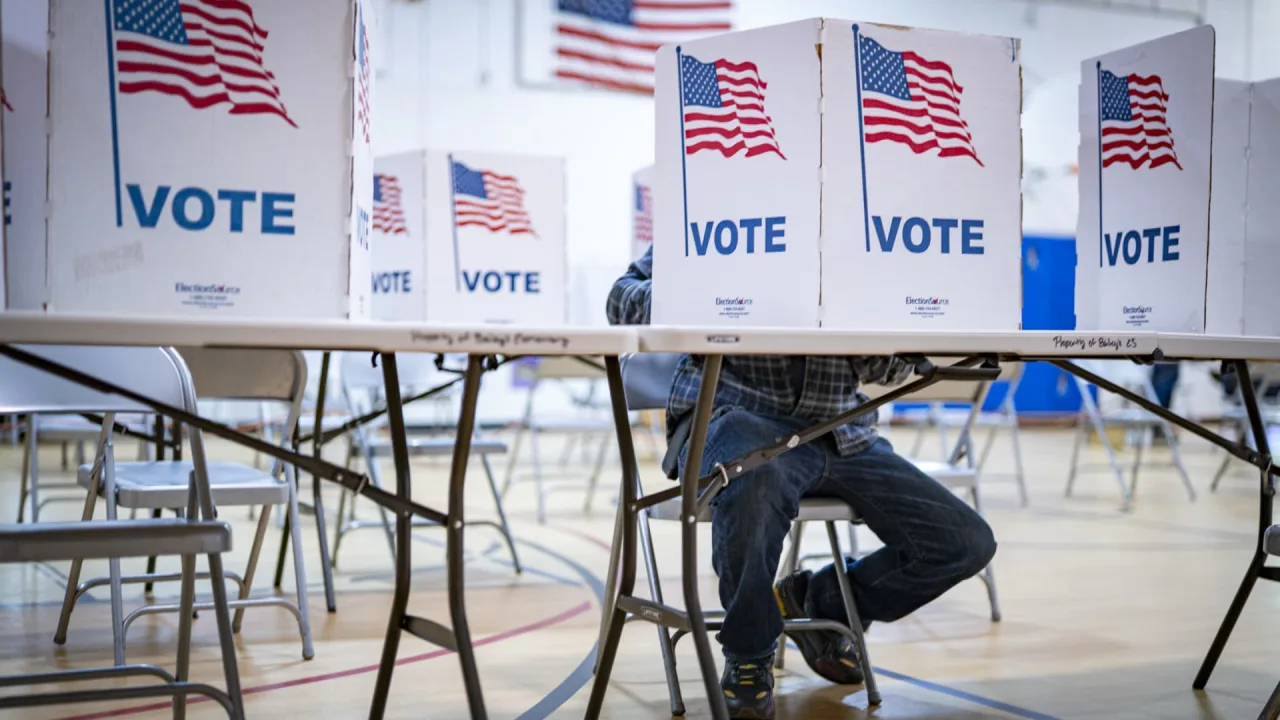
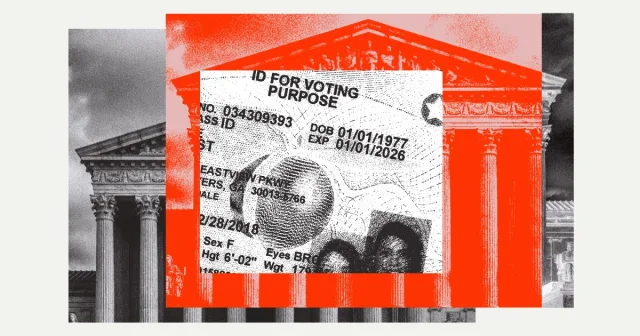
The U.S. Supreme Court on Friday restored the Trump administration’s expanded voter verification system, allowing states to use a federal database to check the citizenship status of registered voters against Social Security records. The 6-3 decision reversed a lower court’s injunction blocking the program, which critics argue could wrongly flag eligible voters as noncitizens and undermine election access.
The database, known as the Systematic Alien Verification for Entitlements (SAVE), was redesigned by the Trump administration in 2025 to enable bulk searches using Social Security numbers. The revised system, which the Department of Homeland Security (DHS) claims is necessary to prevent noncitizen voting, has faced widespread scrutiny over its reliability. Advocacy groups and federal judges have highlighted its high error rates, with some cases showing over 81% of flagged voters being incorrectly identified as noncitizens.
Legal Battle Over Federal Election Authority
The Supreme Court’s ruling centered on a 1996 statute authorizing the DHS to collect citizenship data from federal agencies, including the Social Security Administration. The majority opinion, issued without a written explanation, stated that the lower court’s injunction “prevents the Federal Government from using the program it believes is best suited to the task.”
The decision overturned a June ruling by U.S. District Judge Sparkle Sooknanan, who had declared the expanded SAVE system illegal for violating privacy rights and posing a “substantial risk of incorrectly disenfranchising eligible voters.” Sooknanan noted that the database was “haphazardly assembled” and contained “unreliable citizenship data,” with evidence of errors in Texas and Missouri. The D.C. Circuit Court of Appeals had previously upheld her ruling, but the Supreme Court’s intervention allowed the system to remain operational.
The administration argued that the SAVE program is essential to “protect the integrity of federal elections,” while critics accused it of enabling politically motivated voter purges. The League of Women Voters and the Electronic Privacy Information Center, which sued to block the system, called the Supreme Court’s decision “profoundly disappointing,” warning it leaves “millions of Americans at risk of being unlawfully targeted by the administration’s unreliable voter purge database.”
Errors and Disenfranchisement Concerns
Several states, including Texas and Missouri, have used the SAVE database to flag voters for potential removal from rolls. In Travis County, Texas, officials found that 25% of individuals flagged as noncitizens had already proven their U.S. citizenship. In St. Louis County, Missouri, 81% of the database’s responses were deemed erroneous. Despite these findings, the Trump administration has continued to promote the system as a tool to “root out voter fraud.”
Justice Ketanji Brown Jackson, in a dissent joined by the court’s two other liberal justices, warned that the decision risks disenfranchising “even a few lawful voters,” which she argued outweighs any hypothetical harm to election integrity. She cited specific cases, including a Texas voter whose registration was revoked without her knowledge, and emphasized that the system’s flaws have already “materialized.”
The National Voter Registration Act (NVRA) prohibits states from conducting systematic voter purges within 90 days of an election, limiting the immediate impact of the Supreme Court’s decision on the 2026 midterms. However, the ruling allows the administration to continue using the database for individualized checks, which advocates fear could still lead to errors and confusion.
Political and Legal Implications
The SAVE database is part of a broader effort by the Trump administration to expand federal oversight of elections, including attempts to restrict mail-in voting and challenge election results. While most of these measures have been blocked by lower courts, the Supreme Court’s decision signals a shift in favor of executive authority over election administration.
Texas, which intervened in the case to support the database, has disputed claims of its unreliability. The state has also been using the system in conjunction with other tools to maintain voter rolls, though officials acknowledge its imperfections. Meanwhile, the Trump administration has faced scrutiny over its handling of the program, including allegations of rushed implementation and potential violations of federal privacy laws.
The legal battle over SAVE is far from over. Plaintiffs have vowed to continue challenging the system in court, arguing that the D.C. district court’s original ruling remains valid. Meanwhile, the Supreme Court’s decision has reignited debates over the balance between election security and voter access, with critics warning that the ruling could set a precedent for future federal interventions in state elections.
| Detail | Information |
|---|---|
| Database Name | Systematic Alien Verification for Entitlements (SAVE) |
| Purpose | Verify citizenship status of registered voters using Social Security data |
| Expansion by Trump Admin | Allowed bulk searches and integration with Social Security records |
| Error Rates | 25% in Travis County, Texas; 81% in St. Louis County, Missouri |
| Legal Basis | 1996 statute authorizing DHS to collect citizenship data |
| Impact on Midterms | Limited by NVRA, which blocks purges 90 days before elections |
Frequently Asked Questions
How does the SAVE database work?
The SAVE database allows state officials to check the citizenship status of registered voters against federal records, including Social Security data. The Trump administration expanded its capabilities to enable bulk searches, raising concerns about accuracy and privacy.
What are the risks of using the SAVE system?
Critics argue the system has a high error rate, potentially flagging eligible voters as noncitizens and leading to disenfranchisement. Studies show that noncitizen voting is extremely rare, with most cases involving administrative mistakes rather than fraud.
What legal challenges has the SAVE system faced?
The system was blocked by a federal judge in June 2026 for violating privacy rights and posing risks to voter access. The Supreme Court overturned this ruling, but legal challenges continue, with plaintiffs arguing the decision undermines election integrity and civil liberties.
The Supreme Court’s decision to uphold the SAVE database underscores the ongoing tension between federal authority and state control over elections. As the 2026 midterms approach, the system’s continued use will likely remain a focal point of legal and political debates, with advocates on both sides preparing for further litigation and public scrutiny.
How significant is this wire dispatch?
Cast your anonymous vote to register reader consensus across journalism and intelligence sectors.
Dateline Wire is dedicated to independent, evidence-backed reporting. This briefing was synthesized from primary source reporting, corroborated across independent newsrooms, and verified against our Editorial Standards.