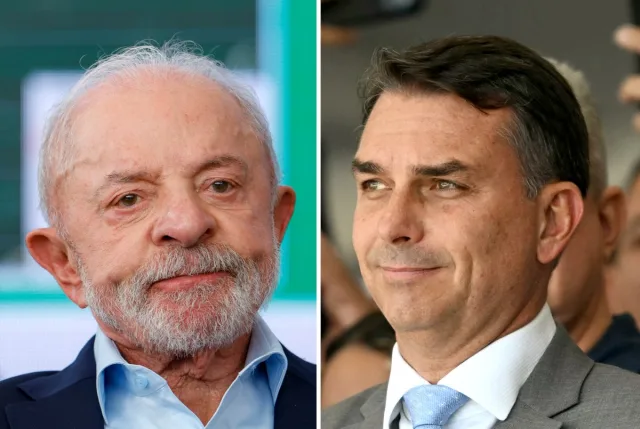
Lula wins historic fourth term as Brazilian president in runoff election
Incumbent Luiz Inácio Lula da Silva secured a historic fourth presidential term in a tight runoff election against conservative Senator Flávio Bolsonaro.
- Headline: Lula wins historic fourth term as Brazilian president in runoff election
- Dispatch Summary: Incumbent Luiz Inácio Lula da Silva secured a historic fourth presidential term in a tight runoff election against conservative Senator Flávio Bolsonaro.
- Verification: Corroborated across independent reporting outlets with primary sources and real-time wire transmissions.
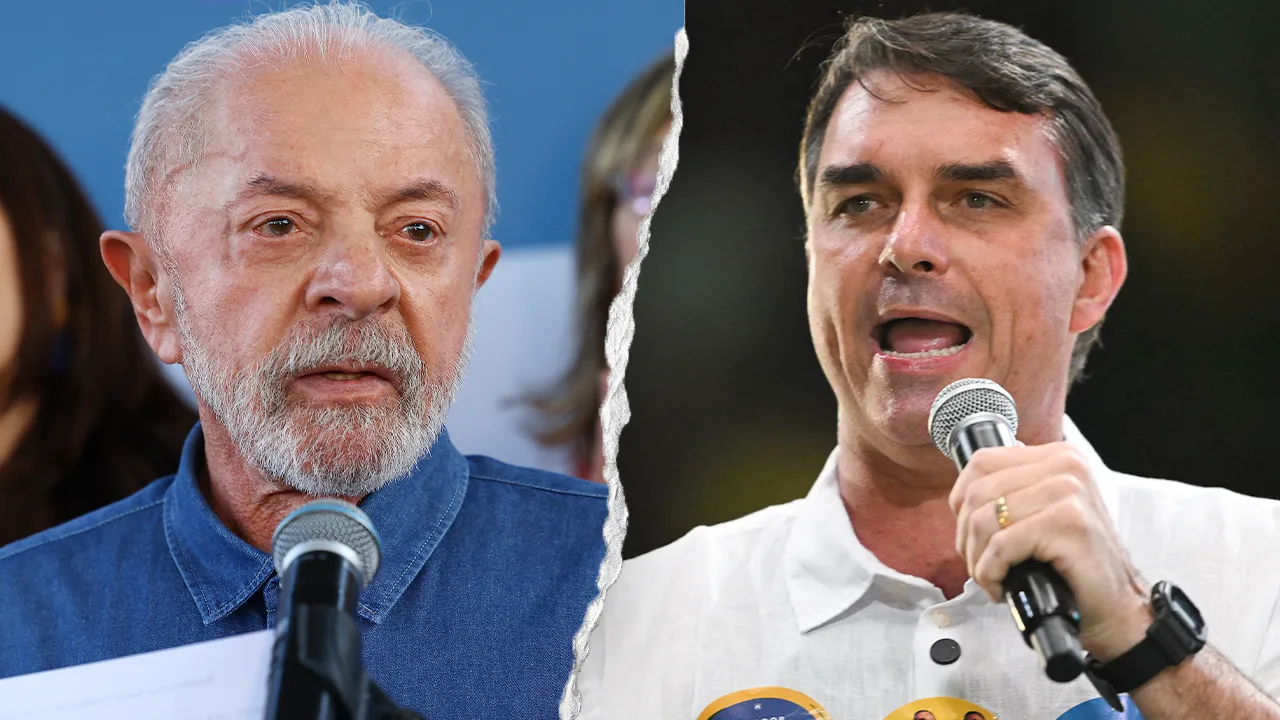
More than 51.49 million ballots delivered incumbent Luiz Inácio Lula da Silva a historic fourth presidential term on Sunday, October 25, 2026. The 80-year-old leftist leader secured more than 51 percent of the vote in the runoff election, defeating conservative Senator Flávio Bolsonaro, who finished with 48.68 percent, or 48.8 million ballots, according to Yahoo.com and the Associated Press via Fox News. Just over 2.6 million votes separated the two candidates in a knife-edge contest called by Brazil's Superior Electoral Court around 9:13 p.m. Brasília time.
That narrow margin capped a remarkable political comeback for Lula, who trailed in the initial voting on October 4, 2026, when Bolsonaro took 47 percent to Lula's 45 percent. By becoming the first candidate in modern Brazilian history to lose the first round of a presidential election only to win the runoff, Lula halted a surging right-wing movement across Latin America and deprived United States President Donald Trump of a key regional ally. Yet his victory arrives alongside the election of the most conservative Congress in Brazil since the return of democracy in the 1980s, leaving the veteran leader to govern a sharply divided nation under heavy fiscal constraints.
How did the chaotic voting day unfold across the country?
Sunday's runoff was marked by logistical hurdles, severe weather, and last-minute legal interventions that left some citizens unable to cast ballots. NPR reported that around midday, Lula's campaign requested a voting extension after accusing local authorities of reducing public bus service to suppress working-class turnout. Bolsonaro's campaign also petitioned for an extension due to heavy rain in southern areas considered right-wing strongholds, as noted by Yahoo.com.
Despite these disruptions, better-than-expected overall turnout powered Lula across the finish line. Leonardo Barreto, co-founder of the consultancy Think Policy, told Reuters that voters ultimately opted for familiarity over an uncertain alternative. People today are choosing between change, with some apprehension, and a known path, which guarantees certain rights,
Barreto said.
What is confirmed about the regional and international fallout?
Lula's victory instantly resonates far beyond Brazil's borders, halting a regional tide that had seen right-wing leaders win presidential races in Argentina, Colombia, Peru, Bolivia, and Ecuador. The outcome deals a direct setback to Washington, where President Donald Trump's State Department had supported efforts to restore the Bolsonaro family to power, according to reports carried by Reuters and Yahoo.com. Flávio Bolsonaro, the eldest son of former President Jair Bolsonaro, had hoped to revive his father's far-right movement.
Celso Amorim, a former foreign minister under Lula, told Reuters that the incumbent would be very important for establishing a point of balance in Latin America. Lula is that balance.
Domestically, the geographic fault lines of Brazilian politics held firm. Bolsonaro maintained strongholds in southern states including Rio de Janeiro, São Paulo, Paraná, and Rio Grande do Sul, though by smaller margins than in the first round. He also underperformed in Minas Gerais, a bellwether state that was essentially tied after Bolsonaro won it by 5 percent in October. Meanwhile, Lula's traditional Northeastern firewall delivered the high margins needed to offset southern losses.
What economic hurdles await the returning president?
Lula's fourth term begins against a challenging fiscal backdrop. The Brazilian government forecasts economic growth of just 2.3 percent next year, while public debt has climbed past 82 percent of gross domestic product, reaching its highest level since the Covid-19 pandemic. Critics point to government spending, though financial analysts note that high interest rates have driven most of the debt increase.
Goldman Sachs told clients it expects Lula to achieve only modest progress in containing spending given his commitment to a state-led growth model. Surging household debt also weighed on voters, prompting Lula to institute a provisional ban on online gambling and sports betting apps in September, alongside a new debt relief program introduced during the campaign. Erika Hilton, a leftist federal lawmaker who joined Lula in São Paulo during the vote count, praised the outcome, calling him a statesman, a giant,
as reported by Reuters.
Can Lula govern effectively with a hostile legislature?
The central question of Lula's fourth term is whether he can advance any policy agenda against a newly empowered right-wing Congress. The Liberal Party of the Bolsonaros and allied conservative factions could control more than 280 seats in the lower house and up to 50 seats in the Senate, securing comfortable majorities in both chambers. Oliver Stuenkel, an international relations professor at the Getulio Vargas Foundation in São Paulo, told Reuters that the president is likely to be a lame duck from the start.
Stuenkel warned that the conservative legislature will likely deepen a trend of presidents ceding authority to Congress, leaving Lula with diminished influence over Supreme Court nominations, fragile party coalitions, and the persistent threat of impeachment. During the campaign, Lula attempted to shore up working-class support by backing a constitutional amendment for labor reform and floating proposals for free weekend public transportation and a 15 percent increase in his flagship welfare program. However, the incoming right-wing majority is expected to push for business-friendly structural reforms and spending cuts that could spark social tension.
- October 4, 2026: Flávio Bolsonaro wins the first round of voting with 47 percent to Lula's 45 percent, forcing a runoff.
- September 2025: Lula issues a provisional ban on online gambling apps to address household debt concerns ahead of the campaign.
- October 25, 2026: The presidential runoff takes place.
- October 25, 2026: Brazil's Superior Electoral Court calls the election for Lula at approximately 9:13 p.m. Brasília time with over 96 percent of votes counted.
- January 5, 2027: Lula is scheduled to be sworn into office, becoming the oldest Brazilian president to take the oath since the return of democracy.
With an active mandate from more than 51 million voters but facing an unyielding congressional majority and an economy straining under high debt, how will Lula navigate the next four years without losing control of the legislative agenda?