Putin vows painful response after Ukraine strikes Crimea Bridge again
Russian President Vladimir Putin promised a painful response after a third strike on the bridge linking Russia to Crimea, rejecting agreements on halting attacks.
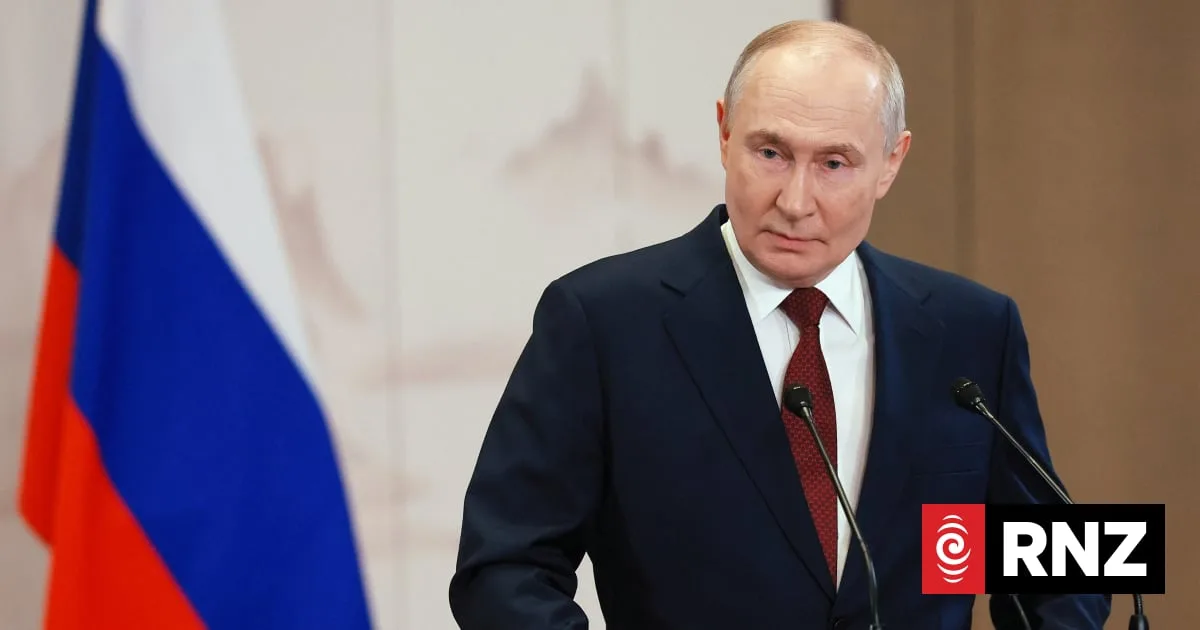
And I want everyone to know this: I believe our response will be far more painful than what the Kyiv regime did to the bridge.
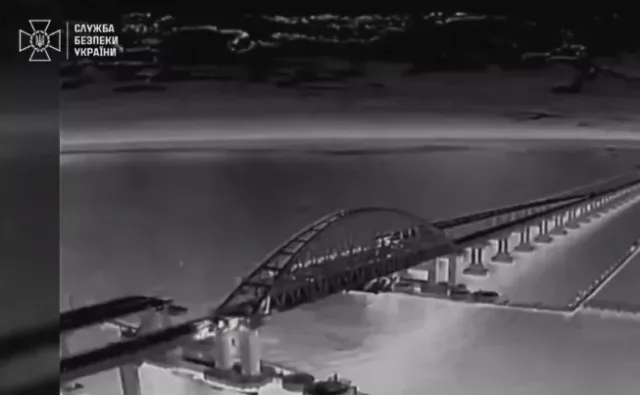
With those words, delivered in the Chinese city of Shenzhen on Thursday, November 19, Russian President Vladimir Putin signaled that there would be no agreements on halting attacks at sea and on energy facilities. His remarks followed a third strike this week on the bridge linking Russia to the Crimean Peninsula, a structure long regarded as a primary symbol of his administration’s claims over the occupied territory.
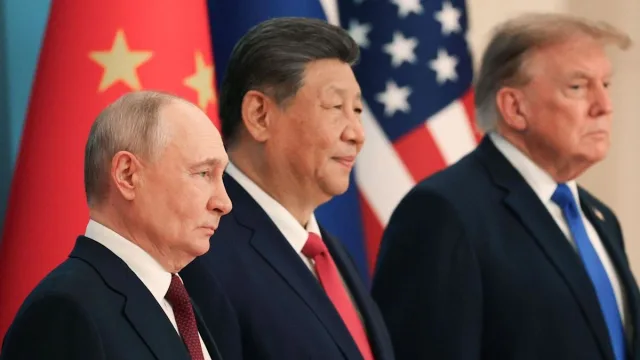
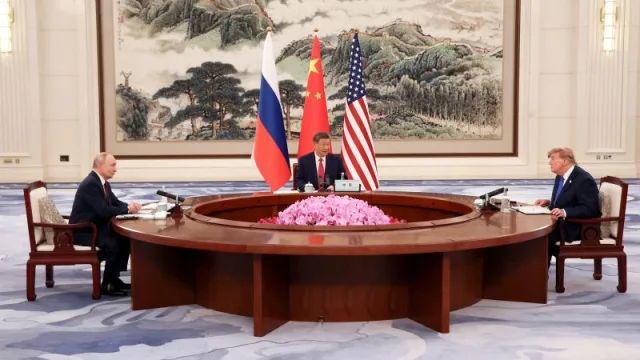
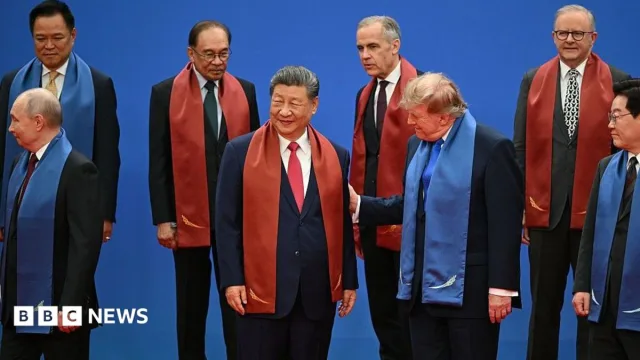
The latest escalation follows a trilateral summit in Shenzhen involving President Putin, US President Donald Trump, and Chinese President Xi Jinping. While Moscow has touted the meeting as a diplomatic victory that exposed Europe’s failure to isolate the Kremlin, the atmosphere among European allies remains one of alarm. As Putin vows a retaliatory strike, European leaders gathered in Berlin on Thursday to coordinate their own security position with US envoys Jared Kushner and Steve Witkoff.
The status of the 19km link
The bridge, which serves as a logistics hub and a symbol of Russia’s attachment to the peninsula it annexed in 2014, has sustained significant damage during this week’s series of attacks. According to the Ukrainian General Staff, Neptune missiles were utilized to target the railway tracks, while drone and missile strikes on Tuesday destroyed a central road span. The following table outlines the current operational status of the crossing:
| Feature | Status/Details |
|---|---|
| Road traffic | Prohibited for the foreseeable future due to a collapsed section of tarmac. |
| Rail service | Suspended briefly but resumed on Thursday afternoon. |
| Repair timeline | Estimated at one month to two months for specific sections; full replacement may take over a year. |
Structural engineering specialist Inger Kroon of the Danish consultancy COWI noted that replacing the approximately 227-metre road span and its arch is a complex undertaking. The scale of the steel structure prevents the use of standard truss spans, and any new sections would likely need to be constructed north of the site, as transport under the existing rail bridge is impossible. Russian government vice premier Marat Khusnullin stated that experts are currently assessing the duration required for repairs.
A shift in the diplomatic landscape
The current tensions coincide with a broader struggle over the architecture of peace negotiations. During his time in Shenzhen, President Putin invited European representatives to Moscow to clarify their positions on security issues, a move that follows reports of earlier trilateral discussions in Abu Dhabi between Russian, Ukrainian, and US delegations. While those Abu Dhabi talks on November 10-11 resulted in an agreement on a prisoner exchange, Putin rejected calls for a ceasefire in his recent public statements.
The reaction from European capitals has been one of deep suspicion. Danish Prime Minister Mette Frederiksen told reporters that the meeting between Trump and Putin was not a good sign for world peace
or for Ukraine. Polish Prime Minister Donald Tusk issued a sharp rejoinder, stating, Mr. Putin is not our friend and will never be.
These reactions highlight the divide between Washington’s desire to include Russia in a new peace format and the concerns of European nations that they may be sidelined in discussions regarding the future of the continent.
Logistical stakes for the peninsula
While Russian-installed authorities in Crimea maintain that supplies of food, medicine, and fuel remain uninterrupted, the repeated targeting of the bridge creates significant challenges for the Russian military. The peninsula is home to nearly 2.5 million people, and the bridge has been essential to the operations of the Black Sea Fleet. Although President Putin insisted the bridge is used exclusively for civilian purposes
and not for the transport of military equipment or petroleum products, Ukraine has alleged it is used for military logistics.
The impact of the ongoing conflict is increasingly affecting non-military spheres as well. The interior minister of the Czech Republic, Lubomir Metnar, reiterated that Russian athletes will not be allowed to compete at the women’s under-18 ice hockey world championship in the Czech Republic in January, noting that his government would not issue visas to them.
What happens when the moratorium ends?
The most pressing question remains the scale and nature of the painful response
promised by the Kremlin. President Putin has explicitly linked his decision to abandon potential agreements on the energy sector and shipping to the success of the recent bridge attacks. By removing this barrier, Moscow has declared it will respond to the strikes.
As repair teams navigate the wreckage of the arch and Russian officials contemplate the logistics of alternative supply routes—including a ferry service scheduled to begin on Friday—the military situation on the ground remains volatile. With the Kremlin refusing to disclose which European representatives it has invited to Moscow and Kyiv rejecting past bilateral meeting proposals for security reasons, the gap between the warring parties appears to have widened. Whether the threats of further escalation will force a change in the negotiating stance of either side, or merely accelerate the destruction of infrastructure, is the central uncertainty facing the region.