Djibouti Migrant Boat Capsizes Leaving 139 Dead and 84 Missing
An overcrowded migrant vessel capsized off the coast of Djibouti, resulting in 139 deaths and at least 84 missing amid ongoing regional dangers.
- Headline: Djibouti Migrant Boat Capsizes Leaving 139 Dead and 84 Missing
- Dispatch Summary: An overcrowded migrant vessel capsized off the coast of Djibouti, resulting in 139 deaths and at least 84 missing amid ongoing regional dangers.
- Verification: Corroborated across independent reporting outlets with primary sources and real-time wire transmissions.
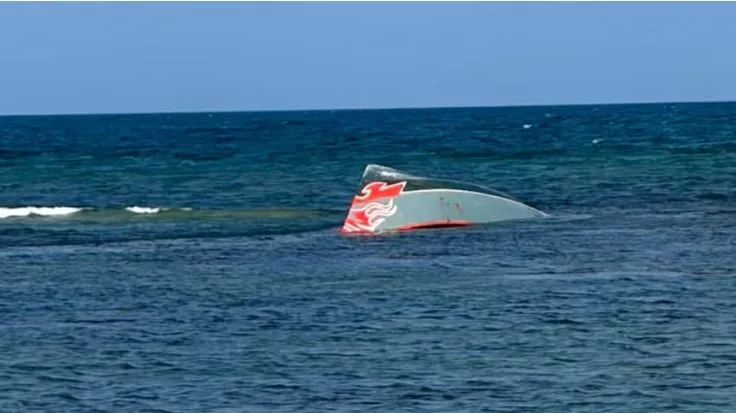
For families waiting across the Horn of Africa, the news brings a devastating confirmation: a vessel carrying their relatives toward the Arabian Peninsula capsized off the coast of Djibouti, leaving at least 139 people dead, including children, and dozens more missing. Survivors arriving at rescue centers are wrestling with shock, while local authorities work to bury the dead in common graves as recovery operations continue.
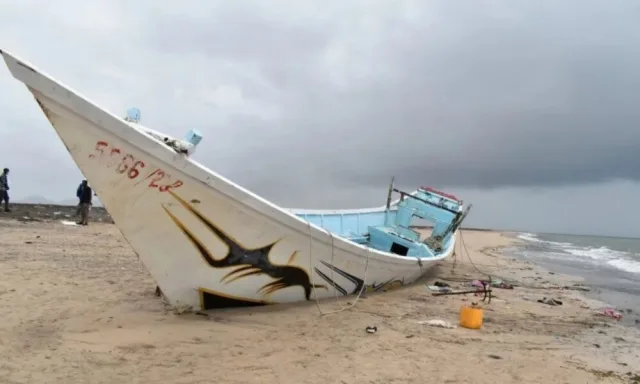
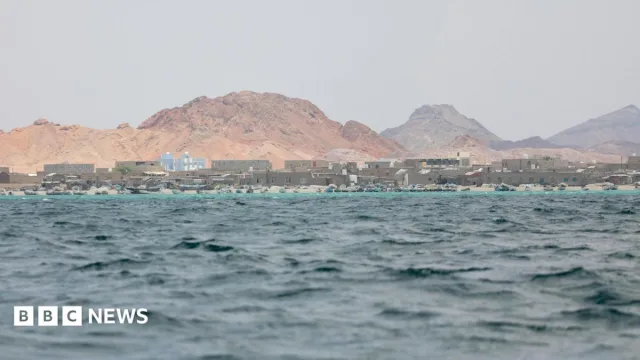
The tragedy unfolded when a boat carrying 305 people sank close to the shore near Guhere, north of the port town of Obock. According to the International Organization for Migration, the vessel set sail on the evening of October 8 and capsized on Thursday night or Friday morning primarily because it was overcrowded. More than 80 people survived the shipwreck, all of them Ethiopian nationals.
Who is affected and what are the immediate impacts?
The human toll spans multiple countries and communities, leaving survivors and families in agonizing uncertainty. The immediate consequences include:
- At least 139 verified deaths, including 15 children specifically accounted for in initial recoveries comprising 52 men, 42 women, and 15 children (nine girls and six boys), with the UN migration agency later raising the overall death toll to 139 after recovering additional bodies.
- At least 84 people remaining missing as search and rescue operations continue along the coast.
- More than 80 survivors, all Ethiopian nationals, receiving medical assistance for swallowing seawater and psychological support at the IOM rescue centre in Obock.
- Unidentified victims buried by local authorities in common graves without names, a practice described by officials as resembling a war situation.
What led to this disaster on the Djibouti-to-Yemen crossing?
Tens of thousands of migrants from the Horn of Africa travel every year through Djibouti and across the Bab el-Mandeb Strait toward Gulf countries in search of safety, work, and economic opportunities. That movement has continued unabated despite newly escalating fighting in Yemen on the other side of the strait, where civil war persists between the Saudi-backed, internationally recognized government and Iranian-backed Houthi rebels. Alexandre Coissac, IOM chief of mission in Djibouti, noted that migrants boarded the ship in the evening of Oct. 8 and that it sank very soon after, close to the shore, mainly because it was overcrowded.
Describing the burials, he stated, What is terrible is that they were buried with no names, in a common grave, like in a war situation. They all have a mother, a father, and we may never learn what happened.
How does this compare to past shipwrecks and regional dangers?
The perils along this maritime corridor are well-documented by international monitors. Over 900 migrants died or went missing along the route last year, according to the IOM’s Missing Migrants Project. This follows a similar incident in March 2026, when nine people were killed and 45 went missing on the same crossing.
The broader regional instability compounds these pressures. In recent weeks, at least 2,000 Yemenis have received aid in Djibouti as fighting has escalated in Yemen, representing a reverse flow from the traditional migration pattern of eastern Africans crossing toward Yemen to reach Saudi Arabia. Furthermore, the IOM observed more than 20,000 movements from Ethiopia to Djibouti since September 10, driven by poverty, insecurity, and the growing impacts of climate change, even as fighting broke out in Ethiopia last month in the biggest escalation of violence since the Tigray war.
What are officials saying about the crisis?
International leaders have expressed alarm at the recurring loss of life along the corridor. IOM Director-General Amy Pope issued a blunt assessment of the systemic failure behind these voyages. No one gets into a boat like that unless they believe there is no other safe way,
Pope said. We cannot keep treating these deaths as normal. Safe and legal pathways save lives. I am asking governments and donors to act before the next boat goes down.
Coissac echoed those sentiments from the ground in Djibouti. This is a devastating loss of life,
Coissac said. This tragedy is a stark reminder of the dangers faced by migrants along this migration corridor as they seek economic opportunities.
Meanwhile, IOM teams continue working alongside local authorities to assist survivors at the Obock response centre, providing healthcare and facilitating phone calls for those wishing to notify loved ones back home that they survived.
With dozens of people still unaccounted for, the final death toll remains unconfirmed as rescue workers comb the beaches where personal items like shoes continue to wash ashore.