Ukraine accuses Russia of hitting power plants after Trump energy ceasefire
Ukrainian energy facilities faced fresh Russian strikes following a US-announced energy ceasefire, leaving civilians to bear the brunt of the ongoing conflict.
- Headline: Ukraine accuses Russia of hitting power plants after Trump energy ceasefire
- Dispatch Summary: Ukrainian energy facilities faced fresh Russian strikes following a US-announced energy ceasefire, leaving civilians to bear the brunt of the ongoing conflict.
- Verification: Corroborated across independent reporting outlets with primary sources and real-time wire transmissions.

Families across several Ukrainian districts faced abrupt power outages after Russian drones and missiles struck energy facilities just hours after US President Donald Trump claimed a bilateral energy ceasefire had taken effect. The stark disconnect between Washington's sweeping announcements and the realities on the ground in Kyiv and Kharkiv highlights the deep friction currently defining US-Ukrainian relations.
That leaves Ukrainian civilians once again bearing the immediate brunt of the conflict while Western leaders scramble to interpret a truce that Moscow has yet to officially acknowledge. What began as an unverified social media declaration from the White House has rapidly escalated into a diplomatic crisis involving threats of weapon procurement cutoffs and competing regional grievances over fuel costs.
Who is driving the energy truce, and why now?
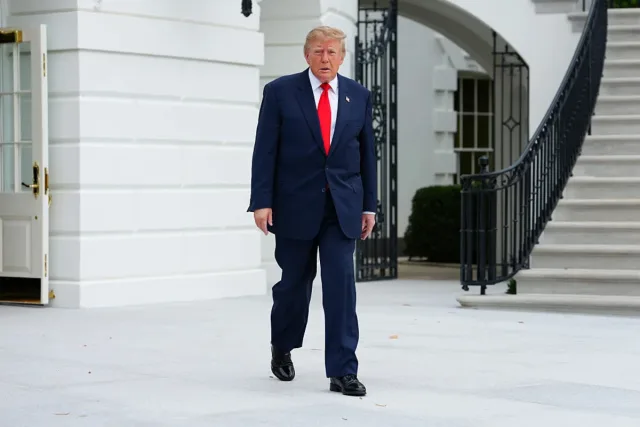
The sudden push for an energy standstill stems directly from intense political pressure inside the United States as the country heads toward midterm elections next month. President Trump announced the arrangement on Truth Social on Sunday, writing: Effective immediately, there is an ENERGY CEASEFIRE in the War between Russia and Ukraine. Both parties have agreed. Do not break it! Thank you for your attention to this matter.
The announcement followed a deal announced on Friday under which Russia would supply nearly two million tonnes of diesel to American and international markets to lower surging pump prices. The Trump administration has blamed Ukrainian drone strikes on Russian oil refineries for driving up global diesel costs, while European and Ukrainian officials have sharply criticized the diesel arrangement for providing Vladimir Putin with vital war revenue.
That leaves Washington attempting to force a ceasefire on energy infrastructure by leveraging its military aid pipeline. According to reports in the Financial Times, US officials have threatened to cut off intelligence sharing and halt Purl — the Prioritised Ukraine Requirements List mechanism used to procure American weapons for Kyiv — unless Ukrainian forces stop targeting Russian refineries. That aggressive diplomatic arm-twisting has exposed a profound chasm between American domestic political imperatives and Ukraine's existential defense strategy.
Did Russia agree, or are power plants still burning?
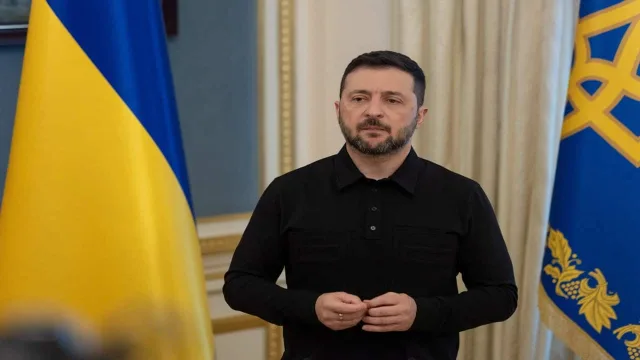
Moscow offered no immediate confirmation or endorsement of the ceasefire, and the Kremlin's silence was swiftly matched by continued aerial assaults. Ukrainian President Volodymyr Zelenskyy learned of the deal through social media, remarking that it was news for me,
while adding that Kyiv would gladly abide by it if Moscow did the same.
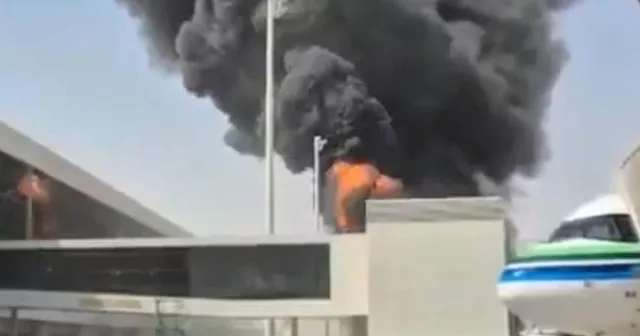
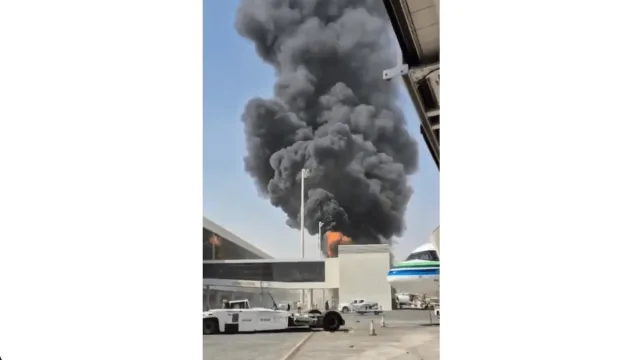
Yet reality on the ground moved in the opposite direction. Zelenskyy reported that Just before our conversation, the Russians struck a power plant in Kyiv with a “shahed” drone, and many districts experienced power outages.
Later, there were strikes on energy facilities in the Kharkiv region. These attacks followed a grim weekend in Zaporizhzhia, where a Russian bombing killed 23 people, including four children, and wounded more than 30 others, according to Ivan Fedorov. Ukrainian officials argue that Russia's ongoing strategy remains anchored in what they term weaponising winter,
seeking to strip civilians of heat, power, and running water.
Meanwhile, Kyiv has pressed its own campaign against Russian infrastructure. A Ukrainian drone strike on Sunday shut down a data centre in the city of Vladimir, east of Moscow, run by technology giant Yandex. The strike, which followed similar hits on Yandex facilities in the Ryazan and Kaluga regions over preceding days, halted operations entirely and disrupted taxi orders and banking services across dozens of Russian cities as well as Kazakhstan, Belarus, and Armenia.
What are Ukraine's allies and leaders saying about the standoff?
The competing agendas have drawn sharp reactions across Western capitals, creating a complex web of support and criticism. UK Prime Minister Andy Burnham stated that Britain strongly supports
Trump's call for a sustained energy ceasefire, noting that Russia has intensified its strikes on Ukrainian energy infrastructure over the weekend. This is an attack on Ukrainian civilians, plunging them into cold and darkness.
Political tensions between Washington and Kyiv also spilled over into leadership debates. After Trump suggested on Saturday that it was time for Ukraine to get a new president and blamed Zelenskyy for high diesel prices in the US, the Ukrainian leader countered that elections could only occur under strict security guarantees. Give us two months, 60 days off. Total ceasefire, 60 days, and we will organize elections,
Zelenskyy said in an interview with ABC's This Week, adding that martial law and the ongoing Russian occupation of roughly a fifth of the country make a wartime vote legally and logistically impossible.
What does this mean for affected readers, and what can they check or do?
For ordinary citizens in Ukraine, the breakdown of unverified diplomatic pronouncements translates into immediate physical hardship, rolling blackouts, and heightened vulnerability as colder weather approaches. For international observers, investors, and consumers, the shifting energy landscape introduces severe volatility into global fuel markets.
Affected individuals, logistics workers, and market participants monitoring these developments can take specific, practical steps based on current reports:
- Monitor official municipal and utility notifications in Kyiv and Kharkiv for localized updates regarding rolling blackouts, emergency water supplies, and heating restoration schedules.
- Track verified defense ministry briefings and international monitoring reports rather than unverified social media claims to assess whether any local truces on energy infrastructure are holding.
- Review commodity market indices, alongside regional diesel pricing indicators, given that bilateral supply agreements and refinery strikes continue to drive sudden price fluctuations.
- Consult official government advisories regarding travel and commercial logistics if operating across Eastern Europe or regions impacted by digital service outages, such as the recent Yandex cloud disruptions affecting transport and banking services across Russia and neighboring states.
The harder question is whether Washington's heavy-handed leverage, threatening to cut off intelligence sharing and the Prioritised Ukraine Requirements List weapon procurement mechanism, can force a permanent pause on aerial strikes, or if it will merely deepen political fractures among allies while the infrastructure burns.
As of Monday, October 12, 2026, the Kremlin has offered no formal commitment to adhere to Trump's declared truce, leaving Ukraine's energy grid exposed to further attacks.