Djibouti Boat Disaster Kills 139 Migrants With Dozens Still Missing
An overcrowded vessel capsized off the coast of Djibouti, leaving 139 migrants dead and 84 missing in one of the deadliest shipwrecks on the Eastern Route.
- Headline: Djibouti Boat Disaster Kills 139 Migrants With Dozens Still Missing
- Dispatch Summary: An overcrowded vessel capsized off the coast of Djibouti, leaving 139 migrants dead and 84 missing in one of the deadliest shipwrecks on the Eastern Route.
- Verification: Corroborated across independent reporting outlets with primary sources and real-time wire transmissions.
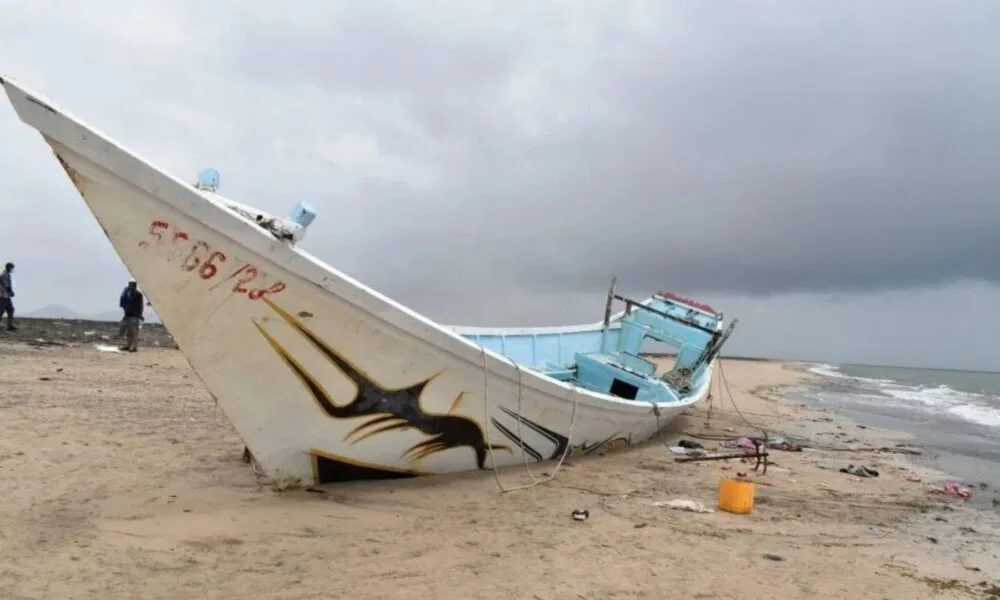
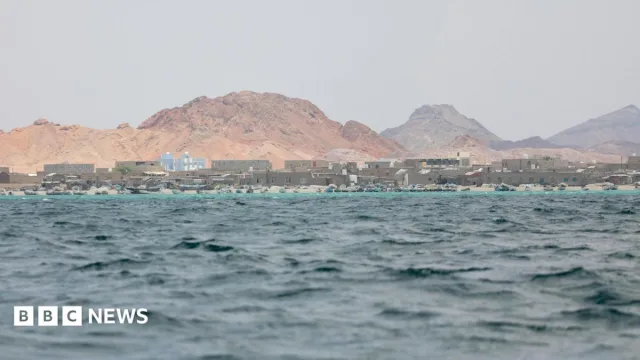
One hundred thirty-nine migrants are dead and 84 remain missing after an overcrowded vessel capsized off the coast of Djibouti, marking one of the deadliest shipwrecks recorded along the Eastern Route connecting the Horn of Africa to the Arabian Peninsula. The tragedy unfolded on the night of October 8 to 9, 2026, when the boat overturned near Guhere, north of the coastal town of Obock. According to updated figures released on Sunday, October 11, by the International Organization for Migration, the vessel carried approximately 305 people. Earlier tallies from the agency had placed the death toll at 109, including 15 children, before search teams recovered 30 more bodies. Among the initial 109 victims were 52 men, 42 women, and 15 children consisting of nine girls and six boys, per the UN migration agency. A total of 82 people survived the disaster, all of them Ethiopian nationals, while the nationalities of those killed and missing have not been fully established. Alexandre Coissac, the IOM chief of mission in Djibouti, described the event as a devastating loss of life. This is a devastating loss of life. Our thoughts are with the survivors and the families who have lost loved ones or remain without news of their relatives,
Coissac said in a statement. Our teams are on the ground alongside local authorities to provide emergency assistance. This tragedy is a stark reminder of the dangers faced by migrants along this migration corridor as they seek economic opportunities.
The journey from the Horn of Africa toward Yemen is a well-trodden yet perilous path for thousands of individuals seeking employment and better economic conditions in Saudi Arabia and other Gulf countries. Migrants braving the crossing face extreme dangers, including treacherous sea conditions, violence, arbitrary arrest, detention, exploitation, and trafficking operated by smuggling networks. These hazards persist despite mounting instability across the Middle East, fueled by the US-Israel war on Iran and renewed fighting in Yemen last month between government forces and Houthi fighters. The route has also seen dual pressures, with more than 20,000 incoming migrant movements from Ethiopia into Djibouti recorded by the IOM displacement tracking matrix since September 10, even as thousands flee the opposite direction from Yemen due to renewed conflict. Last year, more than 900 people died or went missing, according to figures cited by the IOM's Missing Migrants Project. The latest disaster surpasses previous incidents, such as a March shipwreck off the coast of Djibouti that left nine migrants dead and 45 others missing.
Search Operations and Survivor Assistance
As Djiboutian authorities continue search and recovery operations in the waters north of Obock, international humanitarian personnel are focused on stabilizing the survivors. IOM teams are working alongside local authorities to deliver emergency assistance, medical care, and psychosocial support. Sixty-four survivors are receiving assistance at the agency’s migrant response centre in Obock. The operation shows the immense humanitarian strain on Djibouti, which acts as both a departure point for desperate travelers and a refuge for those displaced by conflict across the Red Sea.
For survivors of the shipwreck and families searching for missing relatives, the IOM and local authorities offer support services through the migrant response centre in Obock. Survivors requiring assistance can access medical care, psychosocial support, and emergency relief at the facility. Families seeking information regarding relatives who undertook the journey from Djibouti toward Yemen can contact the IOM mission in Djibouti or local Djiboutian rescue coordination authorities involved in the ongoing search and recovery operations.
The disaster has intensified scrutiny regarding the lack of safe migration pathways across the Red Sea, drawing warnings from humanitarian organizations about life-threatening conditions at sea and along remote desert routes. The latest shipwreck occurred just days after new migration figures highlighted growing pressures in Djibouti, compounding regional challenges that also involve federal military operations in northern Ethiopia, severed transportation links, and sweeping political restructuring by Ethiopian Prime Minister Abiy Ahmed, who appointed 62 state ministers across federal institutions following the approval of his new cabinet.
While international agencies and Djiboutian authorities press forward with recovery efforts, regional reactions reflect the deep gravity of the humanitarian crisis. Representatives from the International Organization for Migration emphasized the persistent dangers of the corridor, noting that poverty, insecurity, and the growing impacts of climate change continue to drive travelers to undertake the journey despite mounting regional instability.