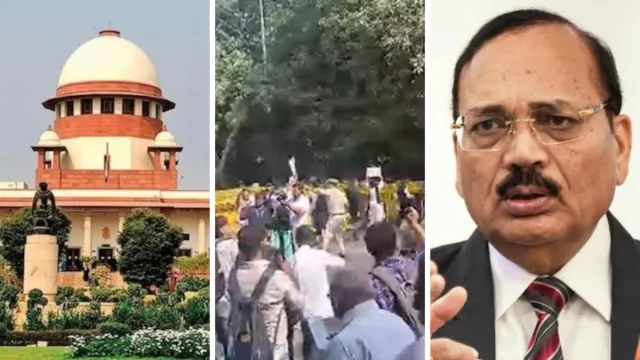
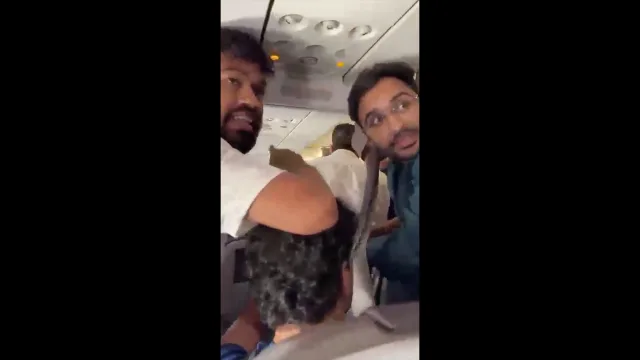
Delhi shuts metro stations and restricts traffic ahead of election protest
Authorities in Delhi locked down central areas and closed six metro stations to block a protest demanding the resignation of the Chief Election Commissioner.
- Headline: Delhi shuts metro stations and restricts traffic ahead of election protest
- Dispatch Summary: Authorities in Delhi locked down central areas and closed six metro stations to block a protest demanding the resignation of the Chief Election Commissioner.
- Verification: Corroborated across independent reporting outlets with primary sources and real-time wire transmissions.
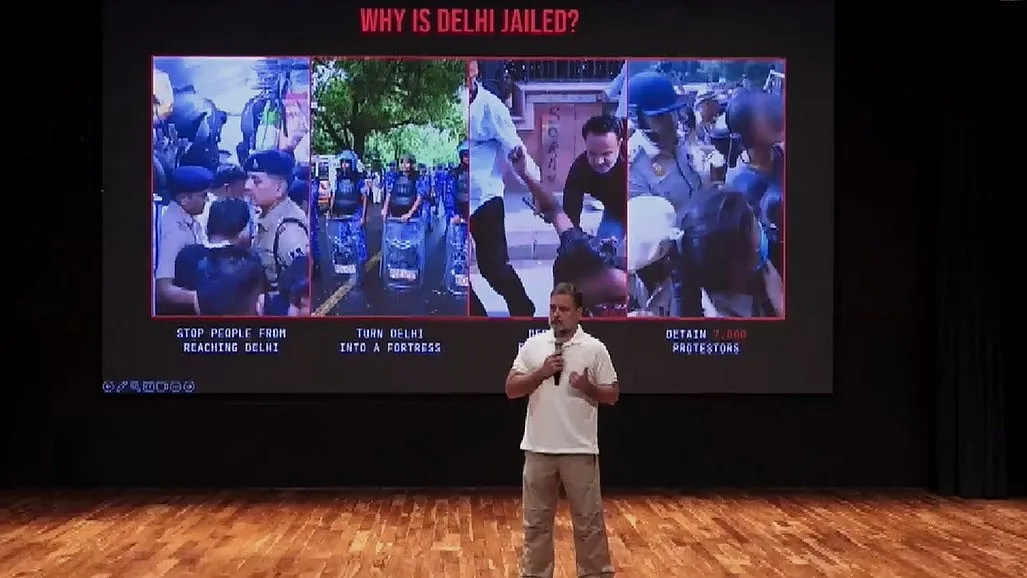
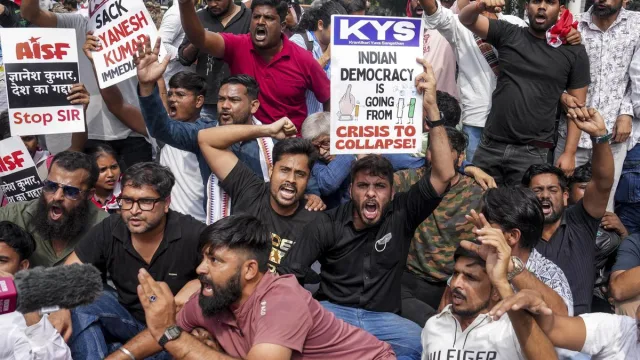
Commuters navigating India's capital on Monday faced extensive disruptions as authorities locked down central Delhi, closed six metro stations, and imposed traffic restrictions across 20 locations. The sweeping security measures were enacted ahead of a planned protest march to the Supreme Court led by opposition parties and the youth-led Cockroach Janta Party. Demonstrators are demanding the resignation of Chief Election Commissioner Gyanesh Kumar, accusing the Election Commission of electoral irregularities and vote theft during a nationwide voter roll revision.
What changed for travelers and protesters under Delhi's lockdown?
The Delhi Metro Rail Corporation announced that entry and exit at six major stations would remain closed from 6:00 am to 4:00 pm on Monday due to security concerns. The affected locations are Patel Chowk, Janpath, Rajiv Chowk, Mandi House, Central Secretariat, and Barakhamba Road, though interchange facilities at these stations continue to operate. Authorities deployed over 30,000 security personnel across central Delhi for a third consecutive day, erecting hundreds of yellow metal barricades on roads leading to government hubs.
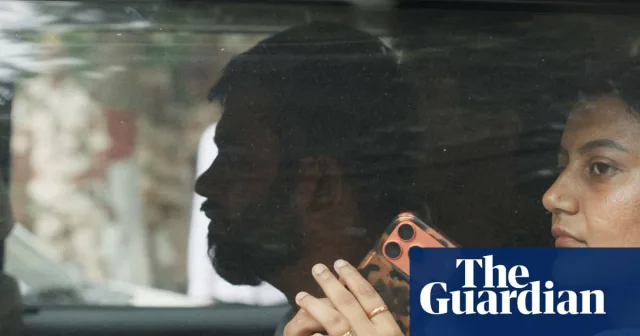
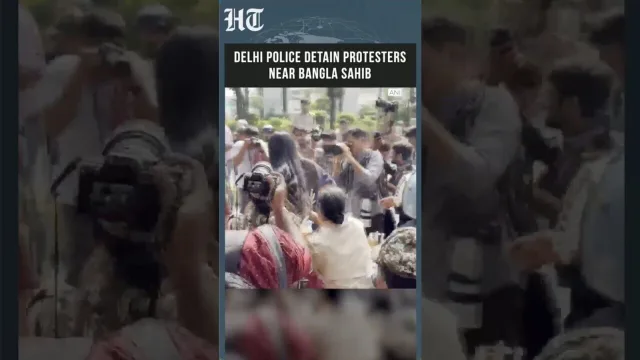
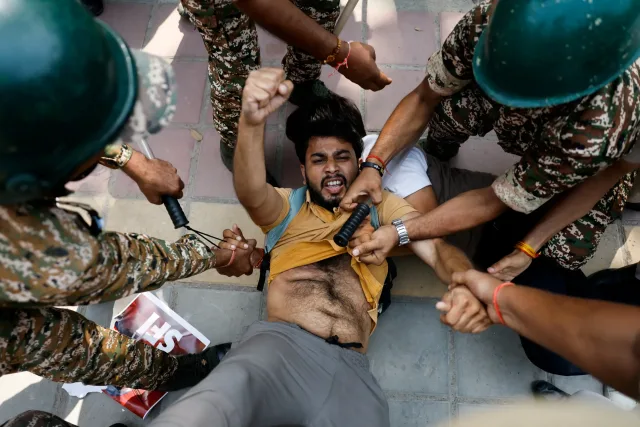
Traffic diversions affected 20 locations throughout the city as thousands of police officers sealed off central avenues. The lockdown follows a chaotic weekend that saw police detain thousands of protesters, including three top leaders of the CJP movement. Parliamentarian John Brittas of the Communist Party of India (Marxist) alleged during the weekend demonstrations that he was manhandled, dragged, assaulted
by police, adding, This is not merely an assault on an MP. It is an assault on democratic freedoms and the rule of law.
Press freedom groups also reported heavy-handed police tactics. Reporters Without Borders stated that at least 16 journalists were detained over the weekend despite displaying their press credentials.
| Metric | Voter List Revision Figures |
|---|---|
| Total names removed | Over 133 million / Over 130 million (varying source reports) |
| Deceased entries removed | 28 million |
| Relocated voters removed | 63 million |
| Untraced voters removed | 30 million |
Why are opposition parties demanding the election chief's resignation?
The unrest stems from a verification exercise and voter roll revision that critics argue disproportionately impacts minority communities, particularly Muslims, who traditionally oppose Prime Minister Narendra Modi's ruling Bharatiya Janata Party. The revision saw more than 130 million names deleted from electoral rolls, a figure that the Guardian noted exceeds the population of Japan. Election authorities defended the purge as a necessary administrative step to eliminate duplicate, deceased, and fraudulent entries, and stated that wrongly deleted voters can re-enrol.
The controversy escalated after the Indian Express reported last month that Chief Election Commissioner Gyanesh Kumar's two deputies raised internal concerns regarding voter list revisions, registration procedures, and digital systems. Opposition leaders argue the measures benefit the ruling BJP. Lok Sabha Leader of Opposition Rahul Gandhi addressed a press conference at the Indira Bhawan AICC headquarters, alleging that Prime Minister Narendra Modi is personally shielding the election chief. We want to show the country that the government, PM Narendra Modi, is protecting Gyanesh Kumar,
Gandhi said, adding that the administration was making a big mistake.
How did the Supreme Court respond to the political delegation?
Ahead of the planned 1:30 pm march to the Supreme Court on Monday, opposition leaders sought an official meeting with Chief Justice of India Surya Kant to present a memorandum detailing allegations of vote theft and demanding Gyanesh Kumar's resignation. Chief Justice Surya Kant declined the meeting request in an email, explaining why he could not meet the delegation.
In public comments on Monday, Chief Justice Surya Kant reiterated that the Supreme Court remains accessible to all citizens. The Supreme Court's doors are open to everyone. Any petition from any common citizen or member of an elected body is welcome. Every Indian citizen has the right to approach the court, and we will hear their concerns and grant whatever is due under the law,
he said, adding that the ongoing protests against Chief Election Commissioner Gyanesh Kumar and the resulting restrictions in Delhi fall under law and order, not his judicial purview. The Supreme Court has separately agreed to hear pleas concerning police excesses tomorrow.
What are the next steps for the protest movement and the government?
Despite the security lockdown and the refusal of a direct meeting by the Chief Justice, opposition figures and youth organizers show no signs of scaling back their campaign. Rahul Gandhi rallied supporters via social media with the slogan March for Democracy. March for Justice,
urging citizens, civil society groups, and youth to join the demonstrations. CJP convenor Abhijeet Dipke launched a scathing attack on the government and gave a 24-hour ultimatum to Delhi police to demand a date for a peaceful protest, threatening to announce a new call to protest if a date is not given within 24 hours.
The confrontation represents one of the most significant political challenges of Modi's third term. Rahul Gandhi also claimed during his briefing that at least 200 officers inside the Modi government, including from ED, CBI, and the Foreign Ministry, are in contact with the opposition and sharing information. The ruling BJP rejected the allegations, maintaining that opposition parties are undermining Indian democracy by questioning legitimate electoral processes.