Turkey and Pakistan to deploy troops to Saudi Arabia under Mecca Pact
Turkey and Pakistan are deploying troops to Saudi Arabia under the activated Mecca Pact as Saudi-backed forces recapture strategic areas around the Bab el-Mandeb Strait.
- Headline: Turkey and Pakistan to deploy troops to Saudi Arabia under Mecca Pact
- Dispatch Summary: Turkey and Pakistan are deploying troops to Saudi Arabia under the activated Mecca Pact as Saudi-backed forces recapture strategic areas around the Bab el-Mandeb Strait.
- Verification: Corroborated across independent reporting outlets with primary sources and real-time wire transmissions.
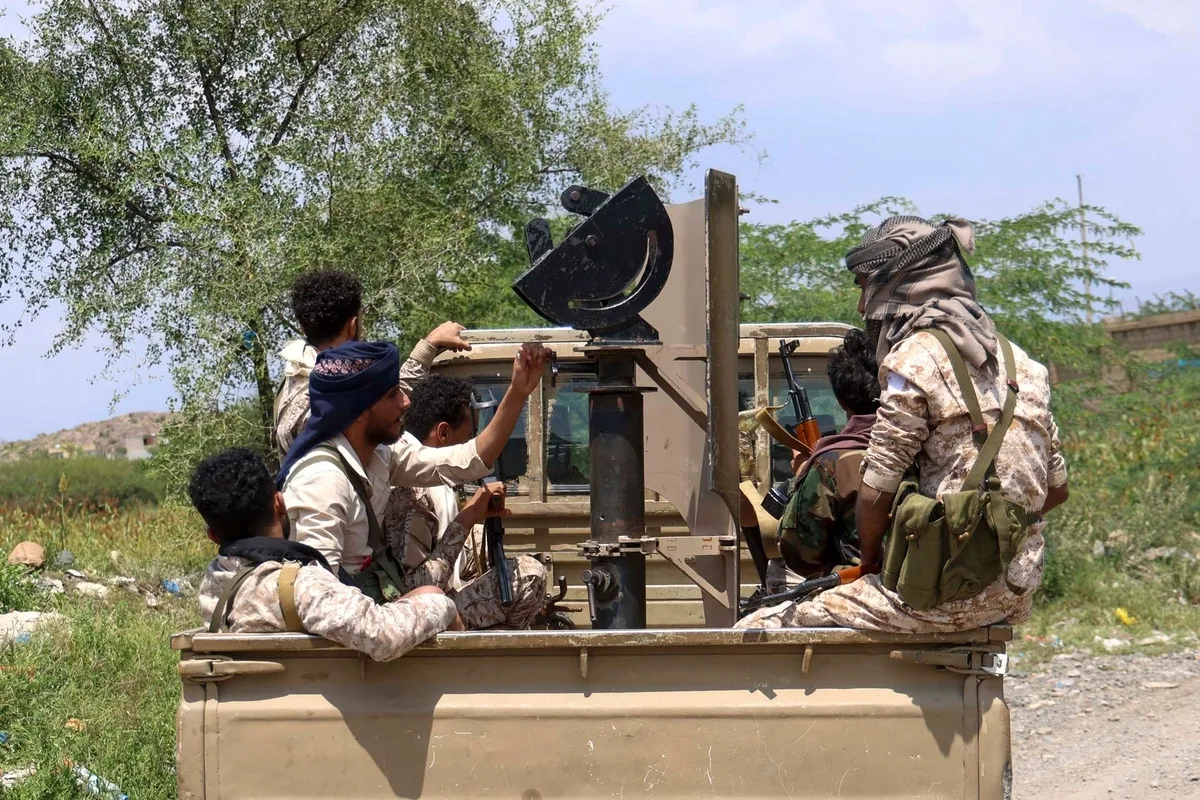
Saudi-backed Yemeni forces have recaptured critical territory around the Bab el-Mandeb Strait, a vital maritime chokepoint, as part of a sweeping military campaign against Iran-aligned Houthi rebels. The operation, dubbed "Dawn of Yemen," coincides with the activation of the Mecca Pact, a security agreement that has prompted Turkey and Pakistan to deploy troops to Saudi Arabia. The developments underscore deepening regional tensions and the complex interplay between local conflicts and broader geopolitical alliances.
Saudi-Backed Forces Retake Strategic Areas
Saudi-backed Yemeni government forces have secured control over the Bab el-Mandeb Strait, a key waterway for global shipping, after a rapid offensive that included the recapture of Dhubab and parts of Mocha. Maj. Gen. Majid al-Nujaili, a Yemeni government spokesman, reported that pro-government units such as the Giants Brigades and National Shield Forces had "secured Bab el-Mandeb" and cut supply routes linking Houthi-held areas. The campaign, launched under air support from the Saudi-led coalition, has seen Yemeni forces conduct over 1,122 precision strikes targeting Houthi artillery batteries, command centers, and defensive positions.
The retaking of the strait comes amid conflicting reports of Houthi advances. While Yemeni officials claim to have pushed back Houthi forces, the rebels have reportedly captured Turbah, a critical defensive position near Taiz, and cut the main road connecting the city to the interim capital of Aden. The Houthis have also intensified attacks on Saudi Arabia, including a recent strike on Aramco facilities in Riyadh, which the group attributed to retaliation for Saudi-led airstrikes in Yemen.
Mecca Pact Triggers Troop Deployments
The activation of the Mecca Pact, a security agreement signed by Saudi Arabia, Turkey, and Pakistan, has led to the deployment of troops to Saudi Arabia. While the pact’s exact terms remain unspecified in public reports, its implementation follows emergency discussions among the three nations over security threats posed by the Houthi insurgency. The move aligns with Saudi Arabia’s broader strategy to bolster its military capabilities amid escalating conflicts in the region.
The pact’s timing coincides with the Saudi-led coalition’s intensified military efforts in Yemen. Maj. Gen. Turki al-Malki, the coalition’s spokesperson, confirmed that 100 fighter jets were supporting Yemeni ground forces during the Dawn of Yemen operation. The coalition has also reported destroying 324 Houthi targets and providing "air protection" for the Bab el-Mandeb Strait, which remains a strategic priority due to its significance for global trade routes.
Military Escalation and Human Cost
The conflict has escalated rapidly, with both sides reporting significant casualties. Yemeni government forces claimed 34 troops killed in fighting near Taiz, while Houthi military sources reported 39 of their fighters killed in the same area. Fighting in Taiz, Yemen’s third-largest city, has left the city besieged from multiple directions, with Houthi forces cutting supply routes and advancing on key positions. The International Crisis Group’s Ahmed Nagi noted that while the Yemeni government’s offensive represents an important shift, it is too early to determine if it will mark a decisive turning point in the war.
The humanitarian toll continues to mount, with reports of over 70 deaths in Taiz alone over a 24-hour period. The Houthis have also targeted Saudi oil infrastructure, exacerbating regional instability. Saudi Arabia’s oil exports, already strained by Iran’s blockade of the Strait of Hormuz, face additional pressure as the conflict intensifies.
| Detail | Information |
|---|---|
| Yemeni Forces' Strikes | 1,122 precision strikes on Houthi positions, including artillery batteries and command centers. |
| Saudi-Led Coalition Aircraft | 100 fighter jets deployed to support Yemeni ground forces during the Dawn of Yemen operation. |
| Casualties in Taiz | 34 Yemeni government troops killed; 39 Houthi fighters reported dead in fighting around the city. |
| Strategic Areas Recaptured | Dhubab, Bab, Hadeid, and parts of Mocha under Yemeni government control. |
Unresolved Questions and Next Steps
The activation of the Mecca Pact and the Yemeni government’s military advances have introduced new dynamics to the conflict, but key questions remain. How will the presence of Turkish and Pakistani troops in Saudi Arabia affect the balance of power? Will the recapture of the Bab el-Mandeb Strait lead to a sustained shift in momentum for Saudi-backed forces, or will Houthi advances in Taiz and elsewhere continue to challenge their efforts? The conflict’s trajectory will likely depend on the sustainability of military operations, international support, and the ability of Yemeni government forces to consolidate gains amid ongoing challenges.
Frequently Asked Questions
What is the Mecca Pact, and why is it significant?
The Mecca Pact is a security agreement involving Saudi Arabia, Turkey, and Pakistan, which has prompted troop deployments to Saudi Arabia. Its activation signals a regional effort to address security threats, particularly those posed by Houthi rebels in Yemen.
Why is the Bab el-Mandeb Strait a critical area?
The Bab el-Mandeb Strait is a vital maritime chokepoint for global shipping, controlling access to the Red Sea and the Arabian Peninsula. Its strategic importance makes it a focal point for military and economic interests in the region.
What role is the Saudi-led coalition playing in Yemen?
The Saudi-led coalition has provided air support, including 100 fighter jets, to Yemeni government forces during the Dawn of Yemen operation. It has also conducted airstrikes targeting Houthi positions, aiming to retake territory and protect regional stability.
The next critical developments will likely hinge on the Yemeni government’s ability to maintain momentum in its offensive, the effectiveness of the Mecca Pact’s security measures, and the broader geopolitical responses to the conflict. As both sides continue their struggle, the humanitarian and economic repercussions are expected to deepen, with the global community closely monitoring the situation.
How significant is this wire dispatch?
Cast your anonymous vote to register reader consensus across journalism and intelligence sectors.
Dateline Wire is dedicated to independent, evidence-backed reporting. This briefing was synthesized from primary source reporting, corroborated across independent newsrooms, and verified against our Editorial Standards.