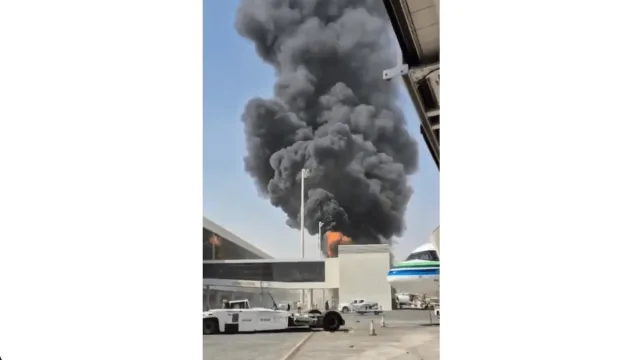
Riyadh Airport Hit Again: Second Attack Kills One and Injures 11
Recent missile strikes on King Khalid International Airport have paralyzed Saudi aviation, resulting in 14 deaths and widespread international flight cancellations. Houthi forces claimed responsibility for the attacks, prompting major carriers to suspend routes as authorities extend airport closures.
- Headline: Riyadh Airport Hit Again: Second Attack Kills One and Injures 11
- Dispatch Summary: Recent missile strikes on King Khalid International Airport have paralyzed Saudi aviation, resulting in 14 deaths and widespread international flight cancellations. Houthi forces claimed responsibility for the attacks, prompting major carriers to suspend routes as authorities extend airport closures.
- Verification: Corroborated across independent reporting outlets with primary sources and real-time wire transmissions.
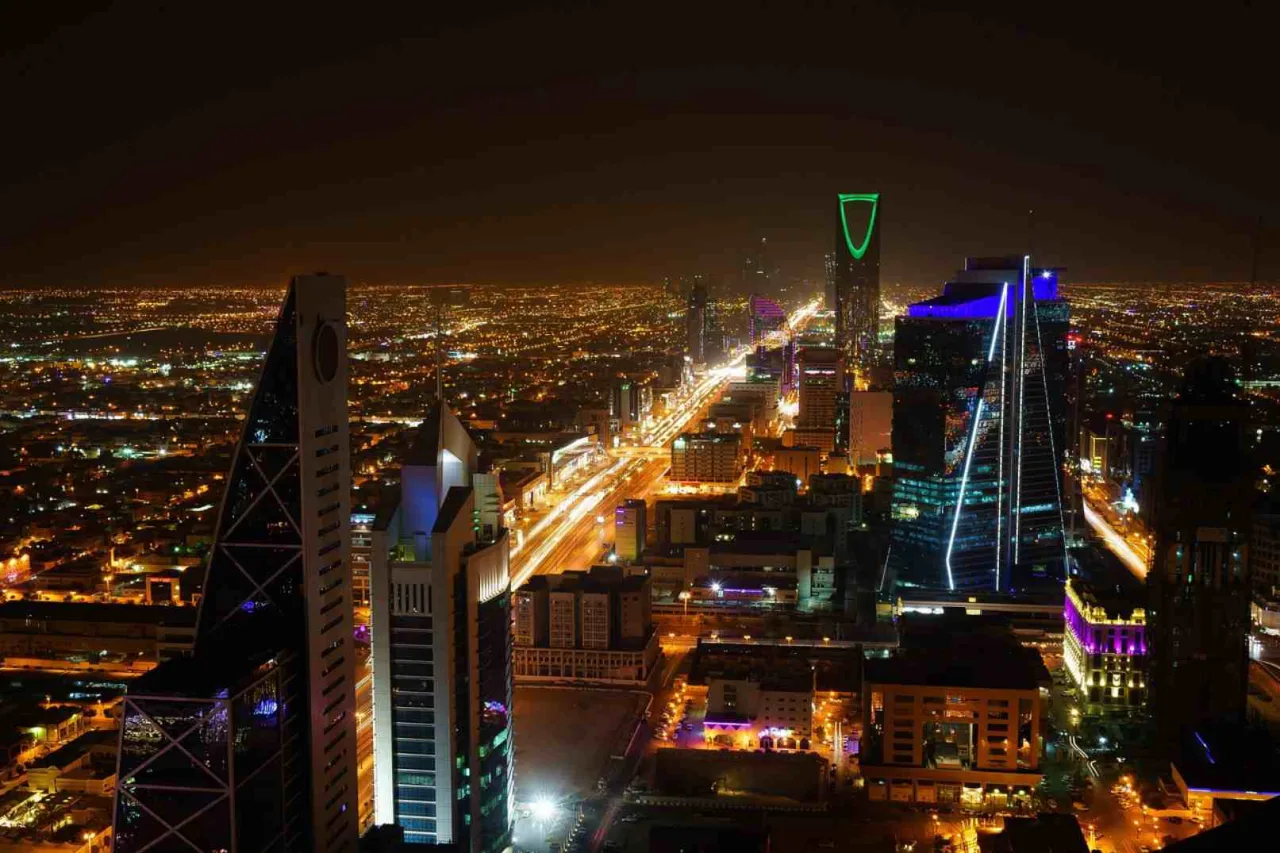
King Khalid International Airport in Riyadh has been struck four times in five days, leaving 14 people dead and hundreds wounded after a pair of devastating weekend attacks that have paralyzed Saudi Arabia's primary aviation hub. The closure of the airport—extended by Saudi aviation authorities as safety inspections continue—has stranded thousands of passengers, forced the cancellation of nearly 1,500 flights across the kingdom, and prompted major international carriers to suspend services. With Yemen's Houthi movement claiming responsibility for the operation and expanding targets to include energy infrastructure and other regional airports, the strikes mark a dangerous escalation in the conflict and have pushed President Trump to weigh potential U.S. military strikes in Yemen.
Who is affected by the airport closure and flight cancellations?
The disruption has rippled across international business networks, regional tourism, and religious travel, catching thousands of travelers and executives off guard. Flight tracking data from Flightradar24 and analytics firm Cirium reveal that 99.7 percent of scheduled flights at Riyadh were cancelled on Sunday, with approximately 60 percent of Monday's services also grounded. The suspension extends well beyond the capital.
Data showed 871 cancellation listings across Saudi Arabia on Sunday and another 614 on Monday, heavily impacting three major hubs:
- Riyadh's King Khalid International Airport
- Jeddah's King Abdulaziz International Airport
- Dammam's King Fahd International Airport
Religious travel has also been severely disrupted, with Umrah pilgrims caught in the chaos. Footage on Saudi state television showed pilgrims preparing to board flights on Saturday when a strike triggered panic inside the terminal. Meanwhile, approximately 500 Bangladeshi passengers remain stranded in Riyadh, according to Bangladesh's expatriates' welfare ministry.
International airlines including Lufthansa, Air France KLM, Etihad Airways, Emirates, and flydubai have cancelled or suspended selected routes through mid-October. The travel paralysis also touched major global events. BP cancelled its attendance at the World Petroleum Council Energy Congress in Riyadh after travel disruptions prevented CEO Meg O'Neill and other senior executives from reaching the convention centre located about 10km from the airport.
What happened during the weekend strikes?
The violence began on Saturday, October 10, with a missile strike on the passenger terminal complex at King Khalid International Airport that killed 12 people and injured 309 others, some critically. The General Authority for Civil Aviation (GACA) reported that victims of the Saturday attack included Saudi citizens and foreign nationals, with the U.S. embassy in Riyadh confirming one American citizen was among the victims.
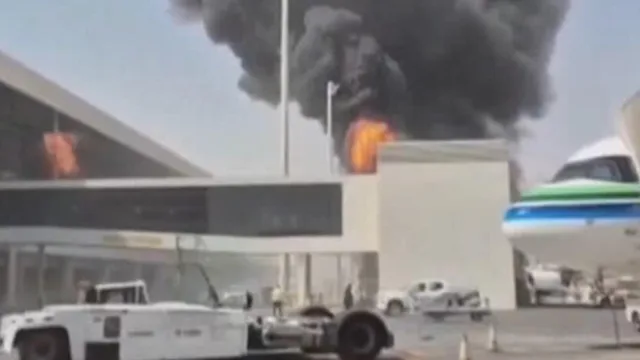
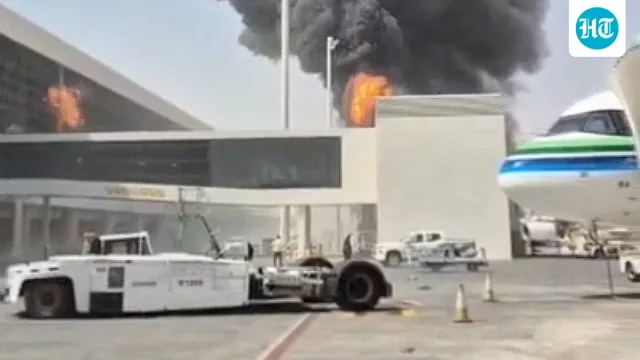
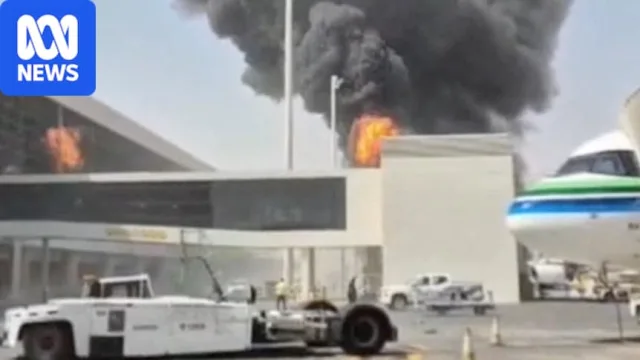
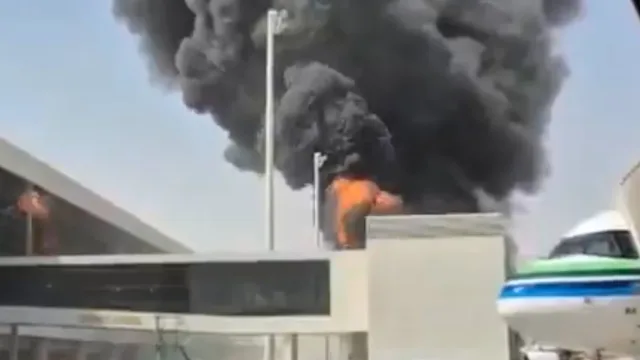
A second attack struck the airport on Sunday, October 11, when an unidentified projectile hit Terminal 4, sparking a fire. Saudi authorities confirmed that a Pakistani national was killed and 11 others were injured in this domestic terminal strike. The Saudi-led coalition reported that air defenses also intercepted and destroyed a cruise missile near the airport.
The timeline of recent escalations illustrates the rapid deterioration of security across the kingdom:
- Late last month: Iran presents a ceasefire proposal involving the Strait of Hormuz and nuclear talks.
- July 14: A U.S. naval blockade of Iranian ports takes effect following the collapse of a previous ceasefire.
- Saturday, October 10: A missile strike hits the passenger terminal complex in Riyadh, killing 12 people and wounding 309, while concurrent attacks hit King Fahd International Airport in Dammam, the Shugadam gas facility, and the Tanajib oil refinery.
- Sunday, October 11: A projectile strikes Terminal 4 at Riyadh's airport, killing a Pakistani national and injuring 11, while the U.S. military disables the commercial vessel Ocean Molica in the Gulf of Oman.
- Monday, October 12: Saudi aviation authorities extend the airport closure, and the U.S. embassy in Saudi Arabia urges extreme caution at all major airports in the kingdom.
What are the geopolitical and military consequences?
The attacks have drawn sharp international condemnation and complicated diplomatic efforts. Yemeni Houthi military spokesman Brig. Gen. Yahya Saree claimed responsibility via Telegram, stating the operations were in response to Saudi aggression. Saree explicitly warned passengers and international airlines that Saudi airports and airspace constitute a theater of operations.
In response to the deteriorating security situation, the U.S. embassy in Riyadh urged American citizens to exercise extreme caution when using all major airports in Saudi Arabia. The U.S. Federal Aviation Administration issued a safety advisory urging operators to exercise caution when flying over Saudi Arabia due to potential military interference with navigation systems, effective through December 10.
What should travelers do now?
Passengers with imminent travel plans to or through Saudi Arabia face prolonged uncertainty, as aviation officials have established no definitive timetable for the complete restoration of normal schedules. Travelers should monitor airline announcements and official Saudi aviation communications rather than relying solely on third-party departure boards.
Travelers currently in the kingdom are advised to follow local security instructions and consult official travel advisories issued by their home governments. With Riyadh schools moved online and regional airspace facing heightened threat levels, monitoring direct carrier updates remains the most reliable path for navigating the disruption.