Ethiopia’s government forces retake airport from Tigray rebels in Mekelle
Ethiopian federal forces have recaptured the Alula Aba Nega Airport near Mekelle as Tigray rebels abandon the regional capital, sparking fears of lawlessness.
- Headline: Ethiopia’s government forces retake airport from Tigray rebels in Mekelle
- Dispatch Summary: Ethiopian federal forces have recaptured the Alula Aba Nega Airport near Mekelle as Tigray rebels abandon the regional capital, sparking fears of lawlessness.
- Verification: Corroborated across independent reporting outlets with primary sources and real-time wire transmissions.
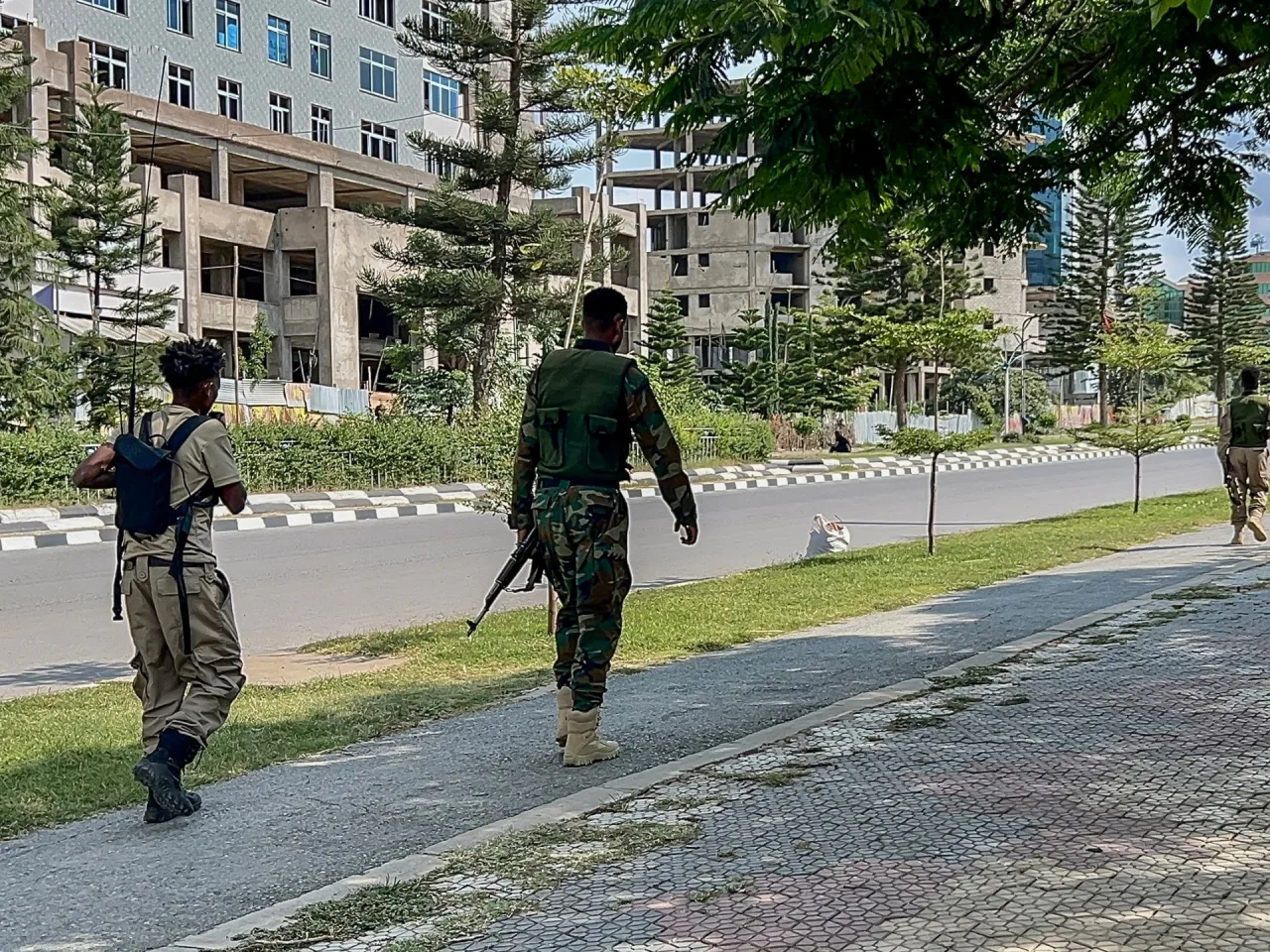
Ethiopian Government Forces Recapture Key Airport in Tigray
Ethiopian federal forces have recaptured the Alula Aba Nega Airport in Mekelle, the capital of the northern Tigray region, according to multiple unnamed sources cited by international outlets. The airport, located approximately 10 kilometers from the city center, was one of three airfields seized by Tigray rebels at the start of the latest fighting on September 23. The Ethiopian National Defence Forces (ENDF) regained control of the facility, marking a significant tactical shift in the conflict. However, federal troops had not yet entered Mekelle itself, as reported by local journalists and residents.
The recapture of the airport comes amid a government counteroffensive pushing into Tigrayan territory along three axes toward Mekelle. The Tigray People’s Liberation Front (TPLF), the dominant rebel group, had initially advanced into neighboring Afar and Amhara states but was later pushed back. The seizure of the airport provides federal forces with control over an important logistical hub on the outskirts of the regional capital, though the situation remains fluid.
| Detail | Information |
|---|---|
| Location of Alula Aba Nega Airport | 10km (6 miles) from Mekelle city center |
| Date of fighting start | September 23 |
| Rebel coalition | Seven-party alliance led by TPLF |
| International accusations | Eritrea, Sudan, and Egypt accused of supporting rebels |
Rebels Retreat from Mekelle as Government Advances
Residents and local journalists reported that Tigray rebels, including TPLF fighters and leaders, were abandoning Mekelle as pro-government forces advanced. A local journalist described the city as “surrounded” by federal troops and allied militias, though no confirmed sightings of government troops inside the capital were reported. The exodus of rebel forces raised concerns about security in Mekelle, where government offices and police stations were left without personnel.
“I am concerned that government and public property could be exposed to looting because there are no security forces in the city,” one resident told AFP. Another added, “Lawlessness could spread in the city, and I am also afraid for my life. I want us to quickly return to law and order.” These accounts highlight the fragile security situation in Mekelle, where the absence of a governing authority risks further instability.
The TPLF, which ruled Tigray for decades before being ousted by the federal government in 2018, had formed a seven-party rebel coalition last month to challenge Addis Ababa. The coalition’s initial advances into Afar and Amhara states were reversed this week, as federal forces launched a counteroffensive. The TPLF has not publicly commented on the latest developments, and neither side has provided independent verification of the reported retreat.
Humanitarian Concerns and Security Gaps
The withdrawal of rebel forces has left Mekelle vulnerable to looting and unrest, with residents expressing fear for their safety. A humanitarian source cited by AFP warned that the lack of security could exacerbate the humanitarian crisis in the region. The conflict has already displaced thousands, and the recent fighting has disrupted access to aid and basic services.
Amnesty International has documented intensified forced conscription and attacks on civilian infrastructure, including drone strikes on Addis Ababa. The organization noted that while the current conflict has not yet reached the scale of the 2020-2022 Tigray war — which killed an estimated 600,000 people — the situation is rapidly evolving. The humanitarian toll remains a critical concern, with limited access for journalists and aid workers due to communications blackouts and restricted media coverage.
Regional Tensions and Accusations
The conflict has deepened Ethiopia’s diplomatic rifts with neighboring countries. Prime Minister Abiy Ahmed’s government has accused Eritrea, Sudan, and Egypt of backing the TPLF-led coalition, allegations denied by all three nations. Eritrea severed diplomatic ties with Ethiopia on Thursday, citing “incessant hostility” from Addis Ababa. The East African Regional Integration (EARI) has called for “maximum restraint” as tensions escalate.
Eritrea also accused Ethiopia of planning to invade its territory to secure access to the Red Sea coast, a claim Ethiopia has denied. The TPLF’s leader, Debretsion Gebremichael, framed the conflict as a “war to control the Red Sea,” highlighting the regional stakes. Meanwhile, Ethiopia expelled 10 Eritrean diplomats and an Egyptian envoy, prompting reciprocal expulsions from Cairo and Asmara.
The renewed fighting has reignited fears of a broader conflict in the Horn of Africa, where Ethiopia’s landlocked status and strategic location make it a focal point for regional power struggles. The 2022 peace agreement that ended the previous Tigray war has not resolved underlying tensions, and the current escalation threatens to destabilize the region once more.
Historical Context and Ongoing Conflict
The TPLF’s 2020-2022 war against the federal government left hundreds of thousands dead and displaced millions. The group, which had dominated Ethiopian politics for decades, was ousted in 2018 after Prime Minister Abiy Ahmed’s reforms. The current conflict began in September when the TPLF-led coalition launched an offensive, seizing airports and engaging in border clashes with Amhara and Afar forces.
The government’s counteroffensive has focused on retaking key territories, with the recapture of the Mekelle airport representing a strategic milestone. However, the TPLF’s history of resilience, having retook Mekelle during the 2020 war after its initial fall, suggests the conflict could persist for months. The involvement of external actors and the potential for regional spillover add layers of complexity to the crisis.
Frequently Asked Questions
What is the significance of the airport recapture in Mekelle?
The Alula Aba Nega Airport’s recapture by Ethiopian federal forces provides control over a critical logistical hub near the regional capital, signaling a tactical advantage in the conflict. However, the absence of confirmed sightings of government troops inside Mekelle suggests the city remains contested.
What are the humanitarian risks in Mekelle?
Residents fear looting and lawlessness after rebel forces abandoned the city, leaving government offices and police stations without security. The lack of independent verification and restricted media access exacerbate concerns about civilian safety and aid delivery.
How has the conflict affected regional relations?
Ethiopia’s accusations of foreign support for rebels have led to diplomatic expulsions and severed ties with Eritrea. The conflict has also raised fears of a broader regional crisis, with Ethiopia’s strategic location and access to the Red Sea at the center of tensions.
The next critical developments will hinge on whether Ethiopian forces can consolidate control over Mekelle and whether the TPLF-led coalition can regroup. With regional powers and humanitarian organizations closely watching, the situation remains precarious, and the potential for further escalation looms large.
How significant is this wire dispatch?
Cast your anonymous vote to register reader consensus across journalism and intelligence sectors.
Dateline Wire is dedicated to independent, evidence-backed reporting. This briefing was synthesized from primary source reporting, corroborated across independent newsrooms, and verified against our Editorial Standards.