North Korea fires multiple ballistic missiles off east coast, Seoul says
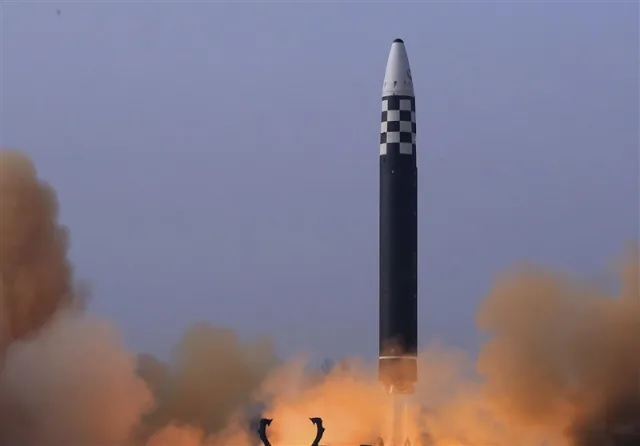
North Korea launched multiple ballistic missiles off its east coast on Monday, traveling over 900 kilometers and heightening tensions amid ongoing border friction with South Korea.
- Headline: North Korea fires multiple ballistic missiles off east coast, Seoul says
- Dispatch Summary: North Korea launched multiple ballistic missiles off its east coast on Monday, traveling over 900 kilometers and heightening tensions amid ongoing border friction with South Korea.
- Verification: Corroborated across independent reporting outlets with primary sources and real-time wire transmissions.
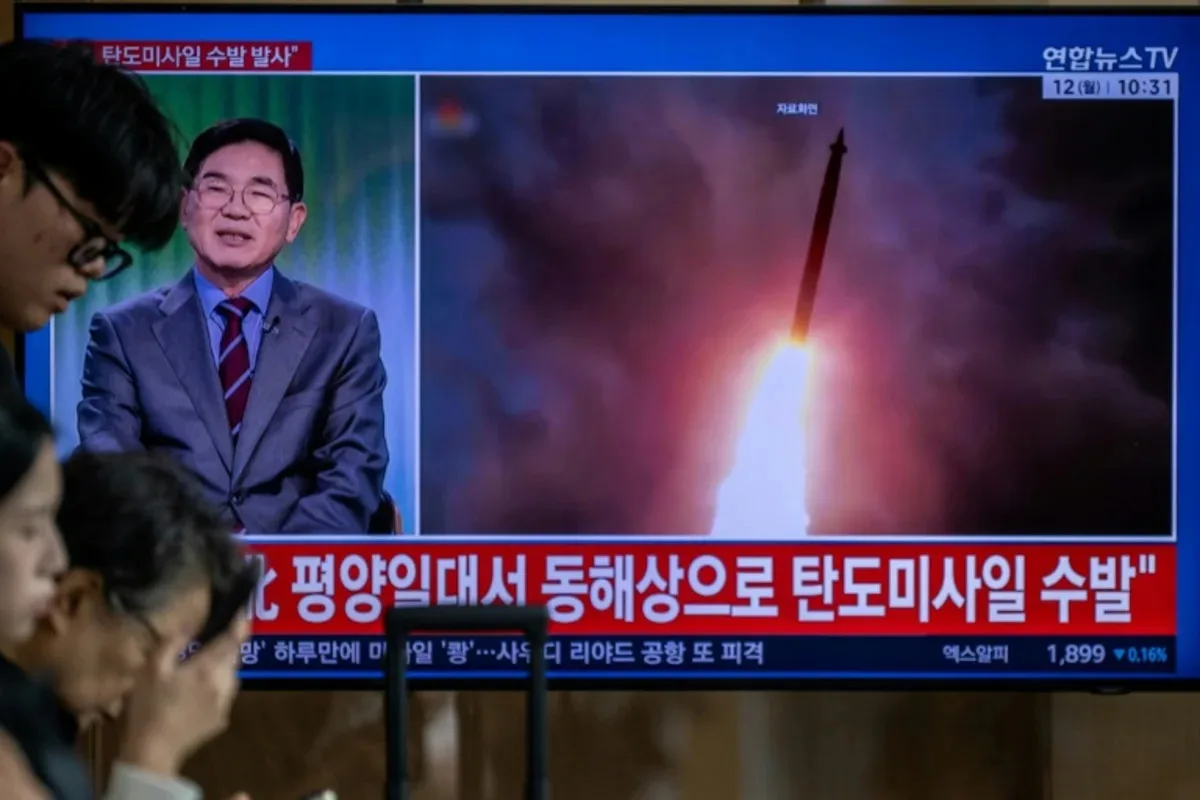
North Korea fired multiple ballistic missiles off its east coast on Monday, sending fresh shockwaves across the Korean Peninsula as neighboring capitals scramble to assess the upgraded technology behind the latest launch. South Korea's Joint Chiefs of Staff reported that the missiles were detected around 09:20, corresponding to 0020 GMT, originating from the area around the North Korean capital of Pyongyang and traveling toward the body of water known as both the East Sea and the Sea of Japan. Some of these projectiles flew more than 900 kilometres, prompting South Korea's National Security Office to convene an immediate emergency security meeting to review the nation's military readiness while officials in Seoul and Washington conduct a detailed technical analysis.
The latest weapons demonstration shatters any lingering hope for a cooling-off period following weeks of mounting friction centered on the heavily fortified Demilitarized Zone. Last month, a landmine explosion in the Seoul-controlled sector of the DMZ injured three South Korean soldiers, setting off a bitter diplomatic and military standoff that has now escalated into dueling missile tests.
Weapons Testing and Escalating Border Friction
A joint investigation by South Korea and the United Nations Command concluded last week that North Korean forces planted the explosive devices responsible for wounding the three soldiers more than a year ago. Pyongyang has angrily denied responsibility, dismissing Seoul's subsequent demands for an apology as despicable and rebuffing an offer of medical equipment.
The border crisis has quickly transformed into a high-stakes technology race between the two neighbors. On October 3, North Korea test-fired an intermediate-range ballistic missile that Kim Yo Jong, the influential sister of North Korean leader Kim Jong Un, claimed incorporated artificial intelligence and possessed the capability to change its flight orbit at a low altitude. Just days later, South Korea countered by publicly showcasing its own defense advancements, with President Lee Jae Myung overseeing the successful flight test of the country's first domestically developed hypersonic weapon.
This rapid tit-for-tat testing cycle has placed unprecedented pressure on President Lee's administration, which took office in 2025 with an explicit pledge to reopen dialogue and restore communication channels with Pyongyang. Instead of reconciliation, President Lee faces growing domestic public anger over the border mine blasts and the reality of a northern neighbor that has formally designated South Korea as a permanent enemy.
| Date | Actor | Weapon System / Event | Stated Capability / Impact |
|---|---|---|---|
| September (last month) | North Korea | Landmine detonation in the DMZ | Injured three South Korean soldiers; sparked border crisis |
| October 3, 2026 | North Korea | Hypersonic intermediate-range ballistic missile | Employed artificial intelligence to change flight orbit at low altitude |
| October (recent days) | South Korea | Domestically produced hypersonic glide vehicle | Travels at least five times the speed of sound to strike key operational targets |
| Monday, October 12, 2026 | North Korea | Multiple ballistic missiles | Flew over 900 kilometres from the Pyongyang area into eastern waters |
Japan's Defense Ministry and coastguard also tracked Monday's developments, confirming the launch of at least two projectiles that ultimately landed in waters outside the country's exclusive economic zone. In response to the flurry of activity, South Korea's presidential office condemned the repeated launches as clear violations of United Nations Security Council resolutions, demanding that Pyongyang halt such provocations immediately. Jang Do-young, spokesperson for the Joint Chiefs of Staff, stated that Monday's launch appears to be a direct show of force intended to counter South Korea's recent hypersonic missile demonstration.
That leaves Seoul caught between a belligerent northern neighbor refusing to engage and an unpredictable international diplomatic landscape.
The Diplomatic Impasse and International Fallout
While regional allies condemn the ongoing missile program, broader nuclear negotiations remain frozen in the stalemate that began when talks between Kim Jong Un and U.S. President Donald Trump broke down in 2019. Pyongyang continues to demand that Washington drop its denuclearization prerequisites and abandon what it terms a hostile policy before any formal dialogue can resume. Compounding Seoul's anxieties, President Trump's recent overtures to Kim Jong Un and his decision to unilaterally scale back major joint military exercises in August—citing a personal good relationship with the North Korean leader—have fueled fears in South Korea that local security interests could be sidelined in any future bilateral U.S.-North Korea summit.
Kim Yo Jong reinforced her government's uncompromising stance on Thursday, declaring that If they (South Korea) truly wish to restore relations between the DPRK and South Korea, they should be mindful of the other side's feelings in every word and deed, and first demonstrate the utmost respect, consideration and sincerity,
She has rejected any immediate path toward mending ties unless Seoul alters its fundamental approach.
For travelers, investors, and residents across the Korean Peninsula, the immediate aftermath means heightened military surveillance and an increased state of readiness as South Korea's armed forces monitor the Pyongyang area for any sign of follow-up launches. Observers should watch for formal assessments from U.S. and South Korean defense intelligence regarding the exact missile specifications tested on Monday, as well as any further security directives issued by President Lee's National Security Office.