USS Abraham Lincoln returns to San Diego after 321 days
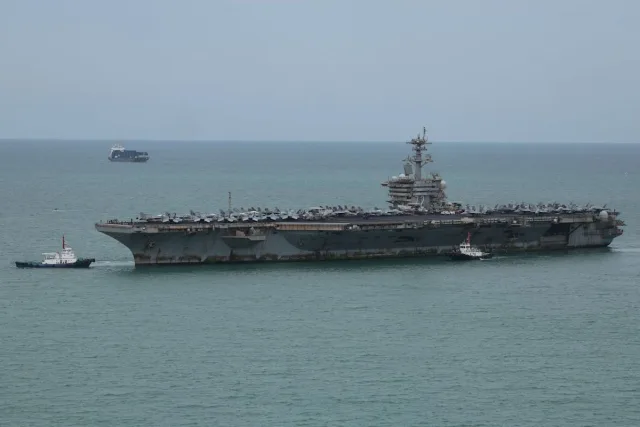
The USS Abraham Lincoln docked in San Diego following a historic 321-day deployment, bringing joyful family reunions alongside serious concerns over crew hardship.
- Headline: USS Abraham Lincoln returns to San Diego after 321 days
- Dispatch Summary: The USS Abraham Lincoln docked in San Diego following a historic 321-day deployment, bringing joyful family reunions alongside serious concerns over crew hardship.
- Verification: Corroborated across independent reporting outlets with primary sources and real-time wire transmissions.
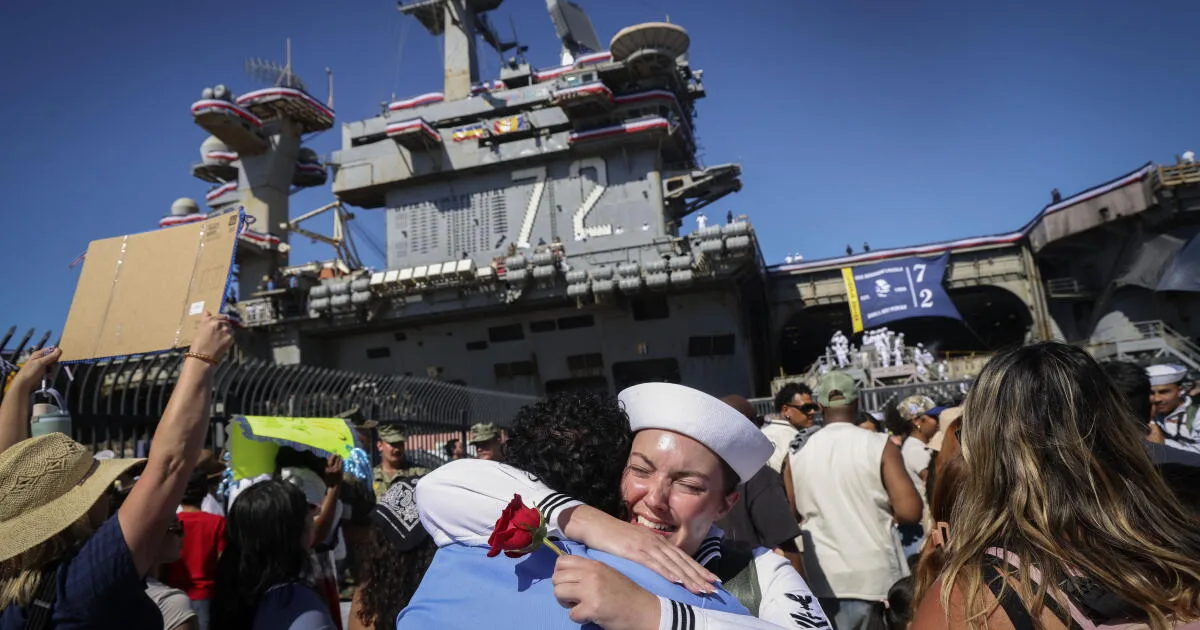
Why did the USS Abraham Lincoln’s return spark both celebration and national controversy?
The USS Abraham Lincoln docked in San Diego on Thursday, bringing jubilant reunions for families alongside persistent questions over the severe conditions its crew endured. Thousands of relatives filled Naval Air Station North Island, where scores of new fathers kissed their babies for the first time after a deployment spanning 321 days away from home.
The aircraft carrier left Southern California last November and was rerouted to the Middle East following U.S.-led attacks on Iran in February. The mission included 265 consecutive days at sea without a port visit, setting a modern record for uninterrupted time away from port. While military leaders praised the crew for sustaining combat operations, the historic length of the deployment exposed severe strains, including food shortages, breakdowns in hot water and laundry services, and multiple suicide attempts.
What did sailors and their families experience during the record deployment?
Life aboard the ship deteriorated sharply as resupply opportunities dwindled during active combat. Relatives at home received messages detailing third-world conditions, including mold dripping down walls, dwindling daily rations, and shortages of basic hygiene items like soap and toothpaste. Dawn, a mother from Texas whose son serves on the carrier, stated that her son told her the reports of sailors attempting to jump overboard were true. She said her son texted her that conditions were like the 3rd world and that they couldn't get soap or toothpaste.
The physical and mental toll extended across the ship, particularly among younger crew members experiencing their first deployment. One Navy constituent wrote to Sen. Adam Schiff (D-Calif.) about his son, who was medically evacuated due to a collapsed lung after spending time in the intensive care unit abroad. The father wrote that his son, who is 6’5″ and left weighing 210 pounds, returned closer to 180 pounds and resembled a starved prisoner of war. San Diego resident Annabelle Loma told the Military Times in August that her husband was among the sailors who attempted to jump overboard, leaving his 13-year-old naval career in jeopardy.
| Carrier | Deployment Length | Consecutive Days at Sea | Destination / Region |
|---|---|---|---|
| USS Abraham Lincoln | 321 days | 265 days | Middle East / Iran War |
| USS Gerald R. Ford | 326 days | Not specified | Post-Vietnam record return to Norfolk |
How do military and political leaders defend the mission?
Pentagon and naval officials strongly pushed back against characterizations of dysfunction aboard the carrier. U.S. Defense Secretary Pete Hegseth flew out to the ship on Wednesday to present the crew with the Presidential Unit Citation, the highest unit-level military decoration awarded by the United States. Hegseth criticized efforts to turn the ship into a symbol of low morale or a failed mission, stating that U.S. sailors adapt, overcome, and finish the mission regardless of challenges.
Commanding Officer Daniel J. Keeler defended the ship's operational readiness during a press conference on Thursday. He stated that everything crew members experienced fell within the normal spectrum of what to expect on an aircraft carrier. Keeler maintained that he had all the supplies needed to conduct combat, never missed a mission, and never missed a meal. According to Keeler, the ship deployed with five chaplains and a well-staffed mental health team to provide care.
The mission itself achieved major tactical milestones. Hegseth read a citation noting that the strike group executed 3,693 combat missions, delivered 1.37 million pounds of ordnance, launched 450 Tomahawk cruise missiles, shot down 77 one-way attack drones, sank 64 Iranian warships, destroyed 21 anti-ship cruise missiles, and defended against four fast-attack craft and explosive-carrying ships.
What do the official statistics reveal about the human cost?
While the Navy confirmed that eight strike group members attempted suicide during the deployment, leadership emphasized other metrics. Keeler highlighted a different set of figures during his remarks on the pier.
U.S. Central Command Commander Adm. Brad Cooper visited the ship in August and noted it maintained among the lowest numbers of mental-health-related cases out of the Navy's 11 active carriers, though he acknowledged that perfection was not achieved.The most important statistic, the one that I am most proud of, is zero. Zero lost aircraft, zero combat damage, zero lives lost. Every single sailor and Marine that left on this deployment is going home.
Daniel J. Keeler, Commanding Officer, via L.A. Times
Broader conflict statistics from the Defense Department show that more than 860 troops have been wounded and 19 have been killed since the start of the Iran conflict. Sen. Adam Schiff argued that these numbers, combined with the hardships faced by the Lincoln crew, demonstrate that the war must end due to the heavy price paid by service members.
What is next for the crew and the ongoing conflict?
For the approximately 5,000 sailors and Marines who disembarked at Coronado, the immediate future involves a mix of family reunions and a swift return to duty. Some sailors planned celebratory dinners before reporting back for duty the following day. Families like that of Pvt. Grayden Monroe’s sister must navigate the abrupt transition back to regular routines, while spouses like Brenda Rivas prepare to resume parenting as a team after months of single-parent households.
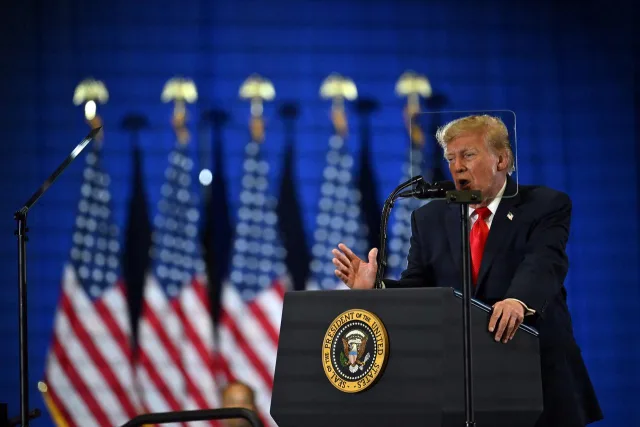
Meanwhile, the strategic picture in Washington and the Middle East remains volatile. President Donald Trump indicated that his team is engaged in productive talks with Iran and does not intend to resume military strikes before November’s midterm elections, following the breakdown of negotiations over reopening the Strait of Hormuz. At the same time, the White House has left open the possibility of a post-midterm escalation. The USS George Washington relieved the Lincoln in the Middle East in August, ensuring a continuous carrier presence as policymakers weigh the future of the seven-month-old conflict.