Christa Gail Pike survives lethal injection attempt, halting Tennessee e…
Christa Gail Pike survived a lethal injection attempt in Tennessee after officials administered two doses of pentobarbital, leading the governor to halt all remaining executions for the year.
- Headline: Christa Gail Pike survives lethal injection attempt, halting Tennessee e…
- Dispatch Summary: Christa Gail Pike survived a lethal injection attempt in Tennessee after officials administered two doses of pentobarbital, leading the governor to halt all remaining executions for the year.
- Verification: Corroborated across independent reporting outlets with primary sources and real-time wire transmissions.
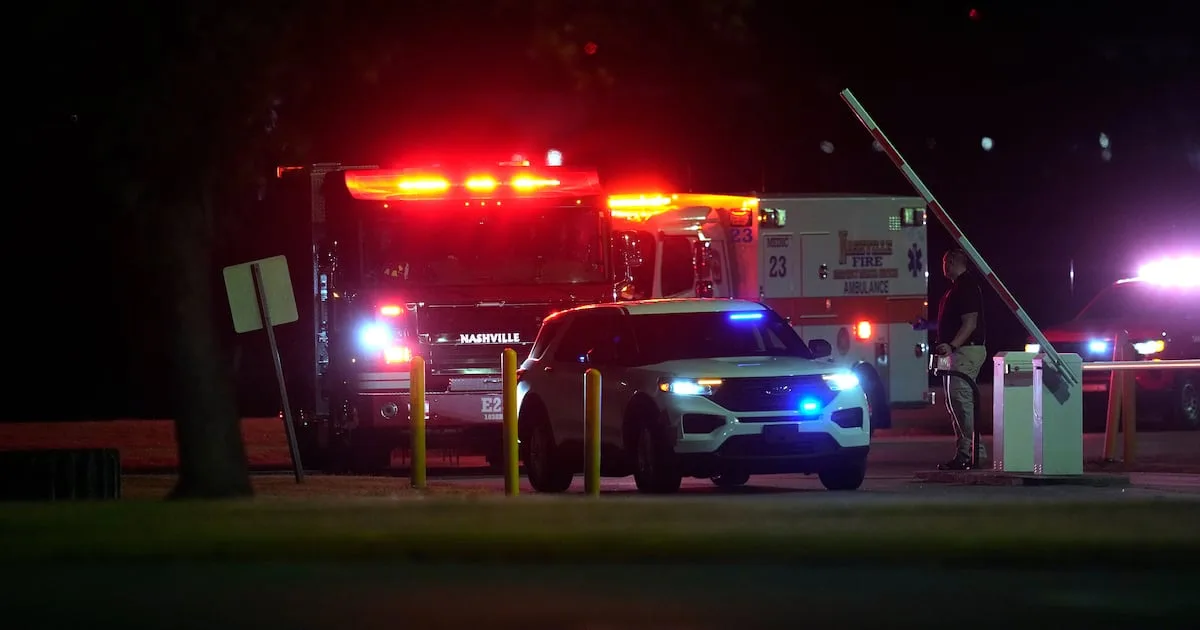
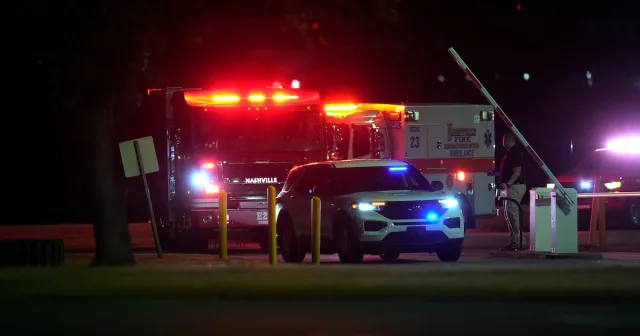
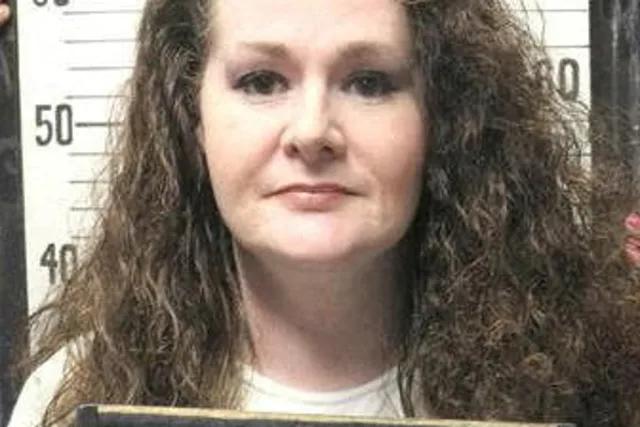
Christa Gail Pike, a 50-year-old death row inmate in Tennessee, survived a lethal injection attempt on September 30, 2026, in a rare and unsettling failure of the state’s capital punishment system. The execution, which was intended to make her the first woman in over 200 years to be put to death in the state, ended with Pike being transported to a hospital after officials administered two doses of the sedative pentobarbital without success. The incident has raised urgent questions about the reliability of lethal injection protocols and the legal and ethical implications of carrying out executions in the modern era.
Execution Fails Amid Legal and Medical Uncertainty
The execution of Pike, who was convicted in 1995 for the murder of 19-year-old Colleen Slemmer, was scheduled to take place at 10 a.m. at the Riverbend Maximum Security Institution in Nashville. However, the process was delayed by a last-minute stay issued by the U.S. Court of Appeals for the 6th Circuit, which cited concerns about Pike’s claims of childhood sexual abuse during her original sentencing. The Tennessee Attorney General’s Office appealed to the U.S. Supreme Court, which ultimately overturned the stay, allowing the execution to proceed.
Media witnesses reported that Pike was strapped to a gurney in the execution chamber at 7:27 p.m., where she delivered what she described as her final words: “I’m going to leave this world the way I spent most of my life and that is in love.” She remained awake during the procedure, at one point raising her head and asking prison officials if her arm was supposed to feel a certain way. After two doses of pentobarbital were administered, witnesses heard her snoring behind a closed curtain until 8:53 p.m., when the microphone was cut off and media were escorted out of the facility.
According to Pike’s attorneys, she was still alive when she was taken to the hospital. “We have not been informed as to her condition,” the lawyers stated in a press release. The Tennessee Department of Correction (TDOC) confirmed that Pike had been transported to an off-site medical facility but declined to provide further details, citing the secrecy of its execution protocol.
Governor Halts Executions, Orders Review
In response to the failed execution, Tennessee Governor Bill Lee announced that all remaining scheduled executions for the year would be halted. “Carrying out a lawfully imposed sentence is among the State’s most serious responsibilities, and the people of Tennessee expect it to be done in a manner that is not only legal and constitutional, but is effective,” Lee stated. He called for a “comprehensive, third-party review” to investigate the events of September 30 and determine whether the state’s execution protocol required revision.
The TDOC’s execution protocol, which was last updated in 2024 to use a single drug—pentobarbital—does not specify procedures for cases where an inmate remains alive after the second dose. Robin M. Maher, executive director of the Death Penalty Information Center, called Pike’s case “singular and unparalleled,” noting that no other individual has survived the administration of lethal injection drugs. Seven other inmates have survived medical complications due to failed IV access, but none have remained conscious after receiving the full dose.
| Detail | Information |
|---|---|
| Number of failed executions in Tennessee in 2026 | 2 (Christa Pike and Tony Carruthers) |
| Number of women executed in Tennessee since the 19th century | 0 (Pike would have been the first) |
| Number of inmates who survived lethal injection attempts due to IV issues | 7 |
| Number of women executed in the U.S. since 1976 | 18 (1% of all executions) |
Historical and Legal Context of Pike’s Case
Pike’s crime, the 1995 murder of Colleen Slemmer, became a focal point of the “satanic panic” of the 1980s and 1990s due to the pentagram carved into Slemmer’s body. Pike, then 18, and her boyfriend, David Shipp, were convicted of the stabbing and beating of Slemmer, a classmate at a job training facility in Knoxville. Shipp, who was 17 at the time, received a life sentence with the possibility of parole, while Pike was the only one sentenced to death.
Pike’s legal team has long argued that her death sentence was unjust, citing her age, mental health, and allegations of childhood sexual abuse. In a clemency petition, Pike stated that she “only wanted to fight Slemmer but killed her in a frenzied attack when she couldn’t ‘put the brakes on.’” Her attorneys also highlighted that other 18-year-olds in Tennessee have had their death sentences vacated, making her case an outlier.
The execution’s failure has reignited national debates over the death penalty’s application to young offenders. The U.S. Supreme Court’s decision to allow the execution despite concerns about Pike’s claims of abuse has drawn criticism from liberal justices, including Sonia Sotomayor, who argued that the ruling “unnecessarily prevents” the Sixth Circuit from fully reviewing her case.
Frequently Asked Questions
Why did the execution fail?
Officials administered two doses of pentobarbital to Pike, but she remained conscious and was transported to a hospital. The Tennessee Department of Correction has not provided a detailed explanation, but Pike’s attorneys allege systemic flaws, including “difficult vein access, blown veins, degraded pentobarbital, and no emergency medical care.”
What happens next for Pike and other death row inmates?
Governor Bill Lee has halted all remaining executions for 2026 and ordered a third-party review of the failed procedure. Pike’s legal team has filed emergency motions seeking further judicial intervention, while Slemmer’s family, who had hoped to witness the execution, has expressed distress over the outcome.
How rare is it for an inmate to survive a lethal injection?
While seven inmates have survived complications due to failed IV access, no one has remained alive after receiving the full dose of lethal injection drugs. Pike’s case is considered unprecedented by death penalty experts.
The failed execution of Christa Gail Pike has left Tennessee’s death penalty system in disarray, with questions about its legality, medical preparedness, and ethical implications. As the state awaits the results of the third-party review, the case underscores the growing scrutiny of capital punishment in the U.S. and the human costs of its application. For now, Pike remains in the hospital, her fate uncertain, while the legal and political battles over her sentence continue to unfold.
How significant is this wire dispatch?
Cast your anonymous vote to register reader consensus across journalism and intelligence sectors.
Dateline Wire is dedicated to independent, evidence-backed reporting. This briefing was synthesized from primary source reporting, corroborated across independent newsrooms, and verified against our Editorial Standards.