US Air Travel Slowly Recovers After Nationwide FAA Ground Stop
US air travel is slowly recovering following a rare nationwide FAA ground stop triggered by overloaded legacy telecommunications hardware and switches.
US Air Travel Slowly Recovers After Nationwide FAA Ground Stop
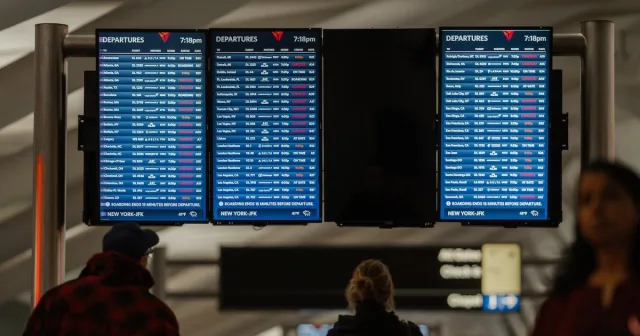
The Federal Aviation Administration halted every departing flight across the United States at 3:54 p.m. ET on Friday, November 13, creating a cascade of gridlock. Transportation Secretary Sean Duffy explained that air traffic control centers experienced severe radar and radio instability starting at 3:36 p.m. ET as older routers and switches became overwhelmed with data. While about 3,500 aircraft remained safely in the air and landed without incident, the 4-hour and 21-minute ground stop marked only the third nationwide airspace shutdown in modern US history, following the September 11 terrorist attacks in 2001 and a computer system failure in January 2023.
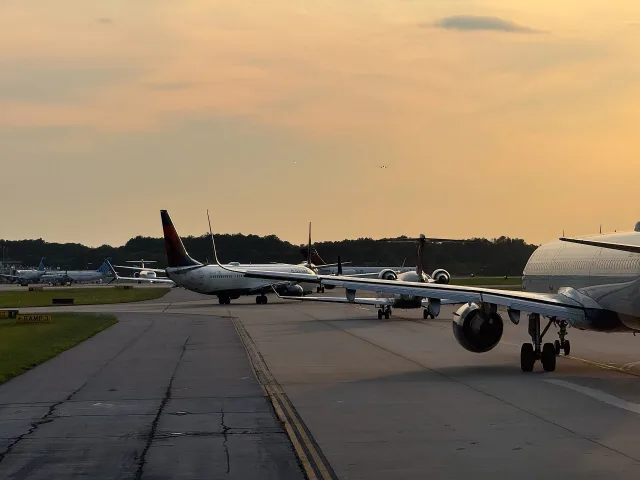
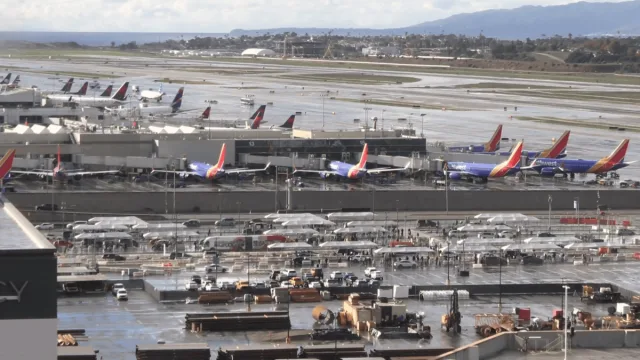
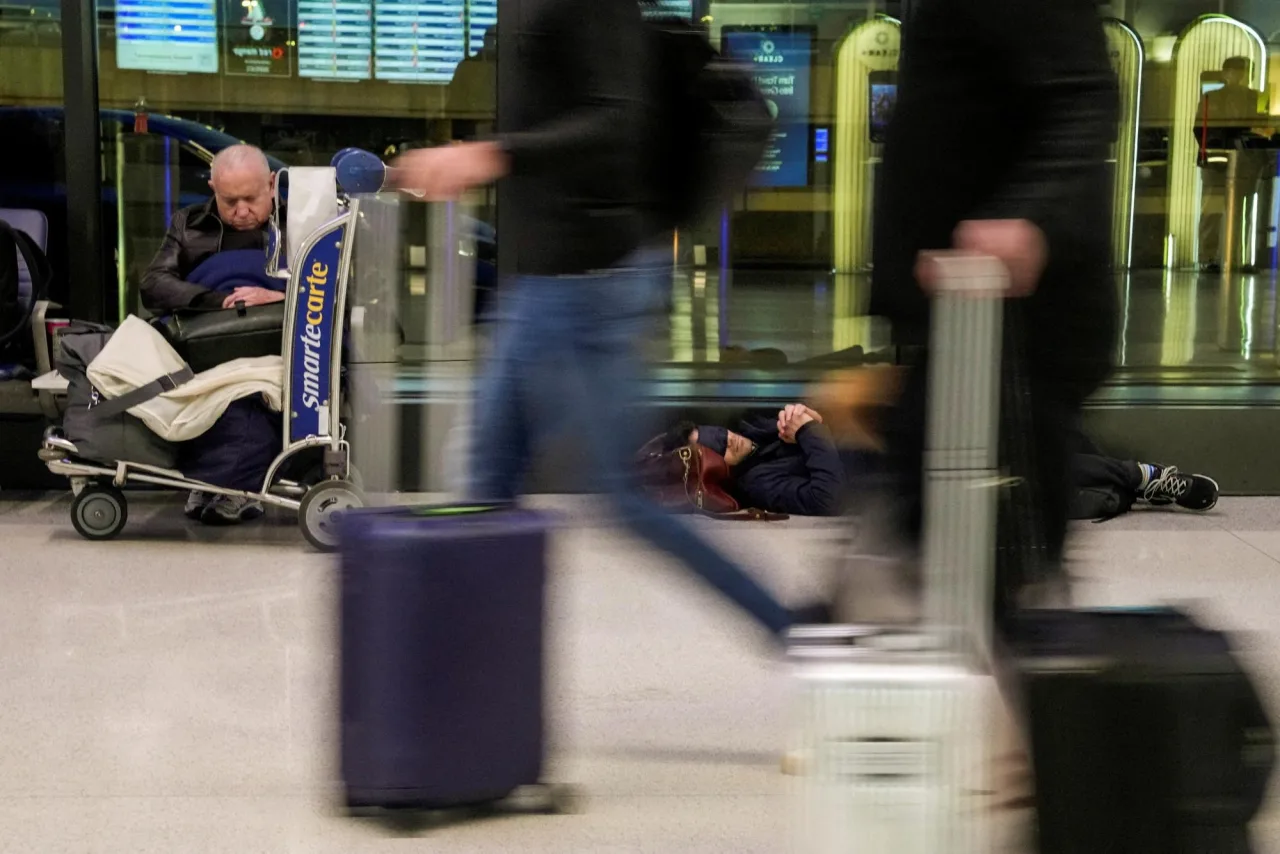
That rare pause immediately marooned passengers in terminals and on tarmacs from Miami to Seattle. Business Insider journalist and frequent flyer Gentry Hale, returning from Curaçao, found herself stuck on a gridlocked Miami International Airport tarmac for two hours after landing because inbound arrivals had filled every available gate. Airport hotels surged from roughly 40 percent occupancy to sold out in under four hours. Meanwhile, aviation analytics figures cited by Al Jazeera showed that at least 827 flights were diverted while the stop was active, with about four in five returning to their departure airports. The UK Civil Aviation Authority warned transatlantic travelers to check their schedules, and domestic sports leagues scrambled, as the Southeastern Conference rescheduled a college football game between Mississippi and Oklahoma from Saturday to Sunday.
Infrastructure Vulnerabilities Inside Air Traffic Control
Government officials initially described the event as a temporary telecommunications outage before detailing deep infrastructure vulnerabilities during a Friday evening White House briefing. Transportation Secretary Sean Duffy and Homeland Security Secretary Markwayne Mullin blamed the breakdown on legacy hardware unable to cope with modern demands. Mullin stated that technicians attempting to introduce new technology and security patches into the network inadvertently overwhelmed older switches, routers, and 1980s-era copper lines. The patchwork doesn't work,
Mullin said during the briefing, as reported by the Indian Express.
| Official Position | Details Provided | Identified Vulnerability |
|---|---|---|
| Sean Duffy | Routers overloaded with data, creating inconsistent information for controllers. | Legacy switches and 1980s copper lines. |
| Markwayne Mullin | Security patches and new equipment overwhelmed older systems. | Lack of integrated patchwork capability. |
| CBS News Sources | Outage triggered by an update to private communications network operated by L3Harris. | Private communications network update. |
The private communications network connecting the country's air traffic control centers is operated by L3Harris Technologies, which did not immediately respond to broadcast requests for comment. Mullin emphasized that investigators found zero evidence pointing toward a cyberattack, a rogue artificial intelligence system, or any connection to recent Microsoft disruptions, though the National Security Agency joined the Department of Homeland Security in reviewing the incident. Duffy also confirmed that the FAA's new AI-powered forecasting tool, known as the SMART system and built by Air Space Intelligence, was completely unlinked from the core radar networks and played no role in the failure.
Political Pressure and Funding Calls
The federal government's struggle to upgrade the national airspace has faced documented warnings. Duffy argued that lawmakers must fully fund a complete replacement of the national network to prevent recurring failures, and administration officials urged Congress—which until January is controlled by the White House’s Republican allies—to fully fund a full build of a brand new air traffic control system.
Persistent Logistical Strain Across Airports
Although almost five hours of grounded flights ended when the FAA lifted the ground stop at 8:15 p.m. ET on Friday after verifying system stability, passengers are still waiting and wading through tough logistics to get to their destinations after massive delays and cancelled flights, according to reporting by Simon Moritz for France 24. More than 4,700 flights were canceled on Friday, and more than 2,500 flights were canceled on Saturday as aircraft and flight crews remained displaced far from their operational hubs.
Transportation Secretary Sean Duffy warned travelers on Saturday that operations would take time to normalize as carriers cleared the massive backlog. Despite the ongoing turbulence, Duffy said, Our top priority right now is making sure travelers get home safely to their families as quickly as possible.
Passengers booked on weekend itineraries are advised to check directly with their airlines for up-to-the-minute flight statuses before traveling to airport terminals.
Updated 1 time since publication; last update 15 November 2026, 16:03.