SpaceX catches upper stage of Starship rocket in historic first
During its 15th integrated flight test, SpaceX successfully executed the first-ever midair capture of an orbital Starship upper stage while experiencing a booster failure.
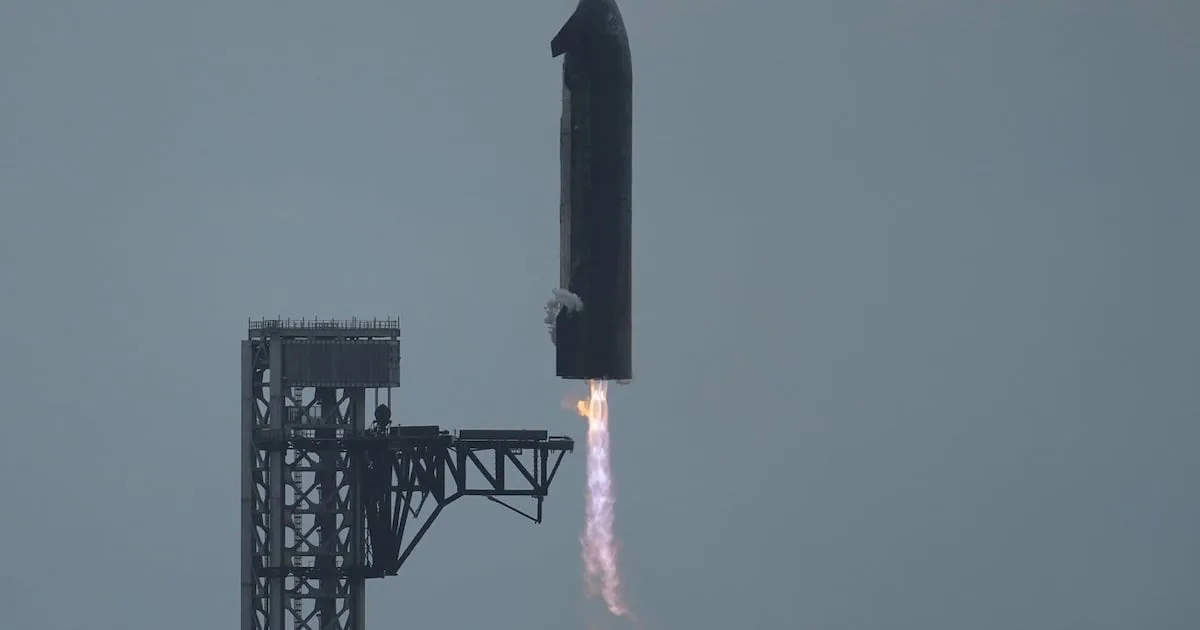
SpaceX commentator Dan Huot shouted, dragging out each word as the stainless steel, bullet-shaped spacecraft hung high above the ground.
That triumphant midair capture marked the first-ever recovery of an orbital Starship upper stage by the mechanical arms of a launch tower. The 15th integrated flight test of SpaceX's flagship rocket system combined a historic success in orbit with a dramatic booster failure on Earth, underscoring both the immense promise and the precarious margins of Elon Musk’s commercial space program.
For aerospace observers and institutional investors, the flight tested whether the world's most powerful rocket can transition from a costly experimental behemoth into a routinely reusable transport system. The stakes are particularly high for NASA, which is financing Starship to land Artemis astronauts on the moon later this decade and establish a permanent lunar base.
Flight 15 Achievements and Orbit Operations
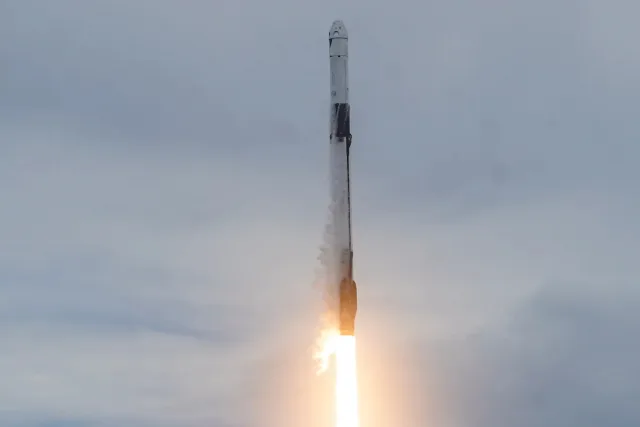
Ship 42 blasted off on November 14 at approximately 4:45 p.m. local time from SpaceX’s Starbase facility near the U.S.-Mexican border. The 407-foot (124-metre) vehicle soared into low Earth orbit at an altitude of around 275 km, completing 14 revolutions around the planet during approximately 22.5 hours in space.
During its extended orbital journey, Starship successfully deployed 26 next-generation Starlink V3 satellites. Three of the deployed satellites carried onboard cameras to inspect the spacecraft's heat shield and other vital hardware, providing engineers with critical data on its structural readiness. After receiving clearance for its return, the spacecraft performed a de-orbit burn and navigated back through the atmosphere under cloudy skies and windy conditions at the Texas coast.
Thousands of spectators and employees gathered near the launch site erupted in cheers as the enormous vehicle descended, slowed its engines, and settled into the two mechanical arms of the system known as Mechazilla, or chopsticks, at around 2:52 a.m. on November 15. SpaceX reported that everything on the spacecraft, including its vital heat shield, appeared to work well.
The successful upper-stage recovery validates a foundational premise of SpaceX engineering: treating orbital rockets like commercial aircraft that can be caught and flown repeatedly. That capability is designed to drastically lower the cost of heavy payload delivery, power future space-based data centers, and eventually support human missions to Mars.
Super Heavy Booster Failure and Investigation
Despite the historic spacecraft capture, the mission fell short of SpaceX's desired double catch after the first-stage Super Heavy booster failed shortly after liftoff on Friday. An onboard guidance, navigation, and control system sensed that the booster was not in the correct position for a safe return and automatically aborted the attempt.
The rocket was redirected toward the Gulf of Mexico, where it performed part of its landing maneuver before its flight termination system activated, destroying the vehicle above the water. Wreckage remained in the Gulf, cordoned off by buoys.
SpaceX officials initially pointed to guidance anomalies before clarifying that the guidance system functioned correctly by detecting the problem and steering the vehicle away from the pad. Elon Musk subsequently stated that slightly weaker than expected engine performance was responsible for the watery detour.
Musk explained that the booster is designed to land with only a minimal amount of propellant remaining, leaving virtually no margin for engine performance deviations. To address this, SpaceX plans to deploy the upcoming Raptor 3.2 engine version for greater efficiency and adjust the flight software to shut down engines approximately one second earlier during initial ascent, preserving additional fuel for future booster returns.
NASA Partnerships and Commercial Timetables
NASA officials welcomed the successful upper-stage recovery as a vital milestone for the Artemis program. It was almost magic,
NASA Administrator Jared Isaacman said via X. Making more believers by the day ... one step closer to (emojis of the moon and the U.S. flag).
The space agency is paying billions of dollars for Starship to land astronauts on the lunar surface later this decade. Artemis III’s four astronauts will attempt to dock their capsule with not only Starship but Blue Origin’s Blue Moon. The two companies will take turns delivering crews to the lunar surface. NASA is targeting as soon as 2028 for Artemis IV, humanity’s first moon landing since the Apollo era more than half a century ago.
To prepare, SpaceX expects to begin launching Starships from Florida’s Kennedy Space Center within the next few months. That is the starting point for NASA’s next Artemis mission, which will skip the moon and remain in orbit around Earth for lunar lander practice.
The accelerated development timeline comes as SpaceX faces pressure to deploy its growing Starlink constellation and prepare for commercial lunar missions. Musk emphasized that the loss of the booster during Flight 15 will not affect the company's ambitious timetable for achieving a high volume of fully reusable Starship flights.
What Readers and Observers Should Track
For industry observers, engineers, and space enthusiasts following the commercial space race, several concrete developments will signal whether SpaceX can bridge the gap between single-stage success and full system reusability:
- Monitor upcoming test flights from the Starbase facility in South Texas for modifications to Raptor 3.2 engines and flight software adjustments aimed at conserving booster landing propellant.
- Watch for regulatory filings and construction updates regarding initial Starship launch operations at Florida’s Kennedy Space Center ahead of NASA orbital docking practice.
- Track data releases from SpaceX engineers regarding the performance and thermal durability of Ship 42's heat shield following its 14-orbit reentry.
- Follow milestone announcements from NASA and SpaceX concerning Artemis III and IV docking trials involving Starship and competing lunar landing systems.
The central question left open by Flight 15 is whether SpaceX can synchronize its engineering milestones to execute a simultaneous double-catch of both booster and upper stage on a single mission. How quickly engineers can solve the propellant margin and engine consistency issues on the Super Heavy booster will determine when fully routine, dual-reusable flights transition from science fiction to everyday aerospace operations.