Indiana Executes Jeffrey Weisheit for 2010 Murders of Two Children
Jeffrey Weisheit was executed at Indiana State Prison for the 2010 murders of two children, marking the state's first execution amid fierce debate over transparency.
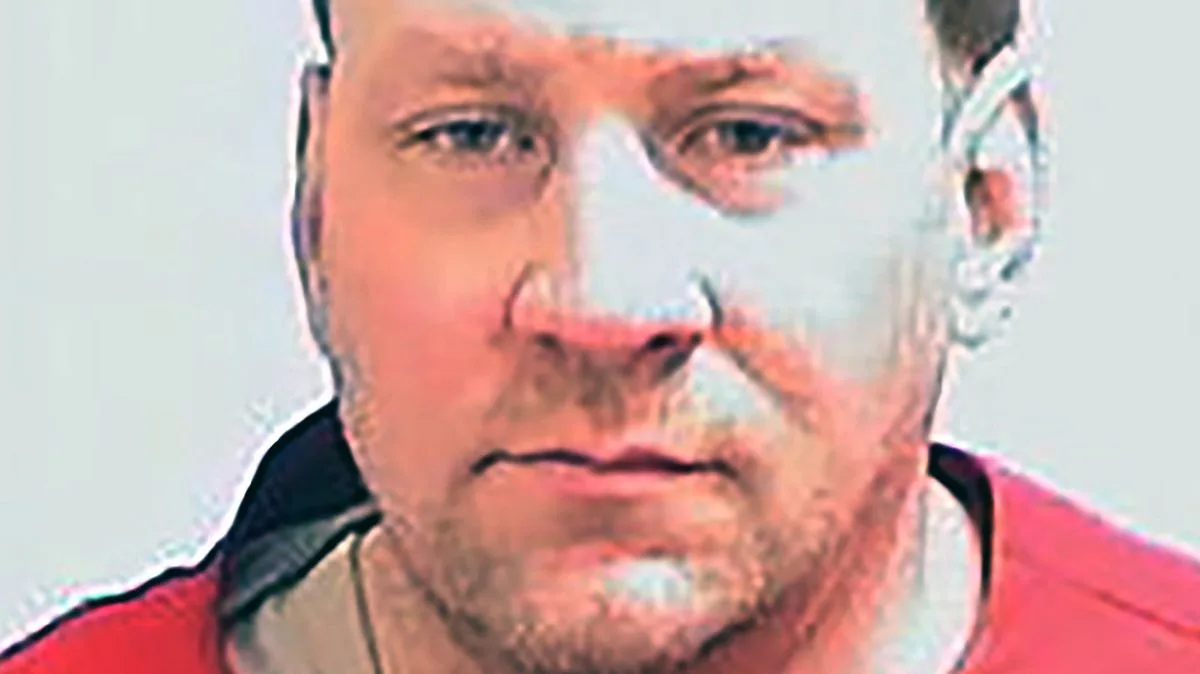
Jeffrey Weisheit was pronounced dead at 12:45 a.m. local time on Thursday at the Indiana State Prison in Michigan City, becoming the first execution of the year in the state, where the death penalty is relatively uncommon, after a lethal injection carried out behind tightly drawn blinds. Weisheit, 50, died for the 2010 murders of his girlfriend’s two children, eight-year-old Alyssa Lynch and five-year-old Caleb Lynch, whom prosecutors said he gagged, tied up, and killed by setting fire to their Evansville home.
His execution marked the first of three lethal injections scheduled to take place in the US on the same day, preceding executions in Florida and Alabama. It also exposed deep divisions over state secrecy laws, execution drug procurement, and whether a condemned inmate’s final moments should be obscured from public view.
What Did Witnesses Actually See Inside the Prison Chamber?
The execution began shortly after midnight, but witnesses were not admitted until 12:34 a.m. Central Standard Time. When the small, tinted window opened, Weisheit was already lying on a gurney in a red jumpsuit with his left arm extended, his hand restrained, and a white sheet covering his lower half. Deacon Brian Nosbusch, his spiritual adviser, stood over him praying as faint, indistinct sounds reached the witness room.
The Indiana Capital Chronicle, the only media outlet permitted to witness the execution under a rule requiring the condemned person to select journalists for invited seats, reported that Weisheit did not visibly move or open his eyes during the three-minute viewing window. At 12:37 a.m., Nosbusch made the sign of the cross, and Deputy Warden Dawn Buss closed the blinds. No death pronouncement occurred while the window was open, and observers could not see where the IV line had been inserted or when the drugs began flowing. DOC later reported his time of death eight minutes after the blinds closed.
“I don’t know how anyone can see anything. That’s the point. They don’t want anyone to see what they do. I’m stunned.”
Joe Perkovich, defense attorney, via WFYI
Bert Weisheit, the inmate's father, echoed that frustration outside the chamber, telling reporters, They sure did not allow us to see very much.
A Department of Correction employee accompanying the witnesses countered that the procedure was a very simple, fast process actually.
The lack of transparency drew immediate challenges from the defense, who argued the obscured viewing prevented any independent assessment of whether the state’s lethal injection protocol was carried out humanely.
Who Were the Victims and Why Did the Crime Happen?
The double homicide took place in April 2010 in Evansville while the children's mother, Lisa Lynch, was working an overnight shift and had left Alyssa and Caleb in Weisheit's care. Prosecutors established during trial that Weisheit was furious with their mother because he believed she was pregnant with another man's child amid their deteriorating relationship. Firefighters discovered Caleb hog-tied on a mattress with a flare stick stuffed in his underwear, while Alyssa was found inside a closet. Both children died from smoke and soot inhalation. Weisheit fled Indiana after the crime, but was arrested in Kentucky a short while after and sentenced to death in 2013.
The tragedy fractured the family completely. During last month's clemency proceedings, Lisa Lynch urged officials to uphold the death sentence, testifying that the pain of her loss remains unyielding. Every day without them is a struggle,
she said, according to the Indiana Capital Chronicle. Every birthday, every holiday, every landmark moment is marked by their agonizing absence.
Conversely, the children's father, Steven Lynch, petitioned Republican Governor Mike Braun to spare Weisheit’s life, arguing that another death would not restore his children and would only inflict loss on another family.
- April 2010: Jeffrey Weisheit sets fire to an Evansville home, killing Alyssa Lynch, 8, and Caleb Lynch, 5, before fleeing to Kentucky.
- 2013: Weisheit is sentenced to death following his conviction for double murder.
- October 29, 2026: The Indiana Department of Correction logs the receipt of six 50-milliliter vials of pentobarbital purchased for $275,000.
- Monday, November 2, 2026: Governor Mike Braun denies clemency after the Indiana Parole Board unanimously recommends against it.
- Wednesday, November 4, 2026: The Indiana Supreme Court votes 3-2 to deny an emergency stay, and the execution is carried out early Thursday morning.
How Did the Legal Battle Unfold Right Before the Execution?
Weisheit's legal team launched a flurry of last-minute court filings challenging the state's execution drugs and the qualifications of the staff administering them. Attorneys sought a ten-day temporary reprieve to examine the drugs and records, pointing out that Pharmaneek Inc., the Indianapolis pharmacy that supplied the pentobarbital, was on probation and facing emergency suspension hearings before the Indiana Pharmacy Board over alleged compounding violations. A supplemental defense filing noted that the supplier pharmacy had contributed $5,000 to Indiana Attorney General Todd Rokita’s campaign in June while already on probation.
The Indiana Supreme Court questioned the timing of the defense filings, which were submitted hours before the scheduled execution. Chief Justice Loretta Rush and Justice Christopher Goff dissented from the 3-2 ruling, arguing they would have granted a 10-day stay to review the drug’s formulation, expiration, storage, and testing records. Governor Braun declined to intervene or commute the sentence to life without parole, pointing to the exhaustive judicial reviews the case had already undergone.
Attorney General Todd Rokita defended the outcome in a public statement, asserting that the state delivered long-awaited justice for Alyssa and Caleb. This case stands as a clear affirmation that those who commit the most heinous crimes against the most vulnerable will be held fully accountable under Indiana law,
Rokita said, expressing hope that the family might find peace.
Are Other States Following the Same Path?
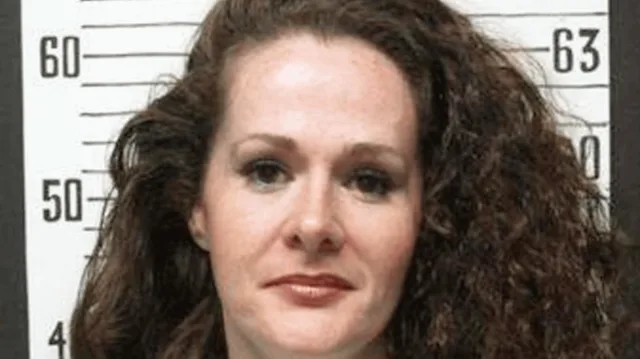
Indiana's lethal injection was part of an unusual triple execution day in the United States, occurring alongside scheduled capital punishments in Florida and Alabama. If all goes to plan, it will be the second time this year that three people have been executed on the same day. The national death penalty apparatus has faced renewed scrutiny following Tennessee's botched execution of Christa Pike, although courts have rejected efforts to halt other executions since she survived two lethal doses of pentobarbital last month.
In Florida, Jesse Guardado, 64, is scheduled to be executed by lethal injection. He had admitted fatally stabbing Jackie Malone, 75, inside her home in Walton County, Florida, in 2004 and stealing her jewellery box, $80 and other valuables to fund his drug addiction. Florida has carried out more than half of the 32 executions in the US so far this year. Republican Governor Ron DeSantis, who leaves office in January, has said his goal is to bring justice to families who have waited decades for death sentences to be carried out. In Alabama, Michael Taylor, 54, is scheduled to be executed, 35 years after fatally beating 83-year-old Ivan Moore and 79-year-old Lucille Moore with a metal bar during a robbery at their home in Gadsden, Alabama. Alabama Governor Kay Ivey declined requests from clemency opponents to reduce Taylor's sentence to life in prison.
What Happens Next for the Remaining Legal Challenges?
While Weisheit's execution proceeded despite the eleventh-hour appeals, the broader questions raised by his defense regarding pharmacy oversight and drug transparency remain unresolved. The Indiana Pharmacy Board's disciplinary proceedings involving Pharmaneek Inc. Are slated for further review, even as defense attorneys complain that public records requests for temperature logs, testing certificates, and supplier audit histories have gone unanswered by state corrections officials.
Outside the prison walls, members of the Indiana Abolition Coalition and Death Penalty Action maintained a vigil through the night. In their final statement, Weisheit’s defense counsel acknowledged the devastating loss suffered by the children's relatives while reiterating the haunting question posed by Steven Lynch in his sworn clemency appeal: What good does it do the memory of my children to put this man to death?