SpaceX Starship returns from orbit and is caught by launchpad arms
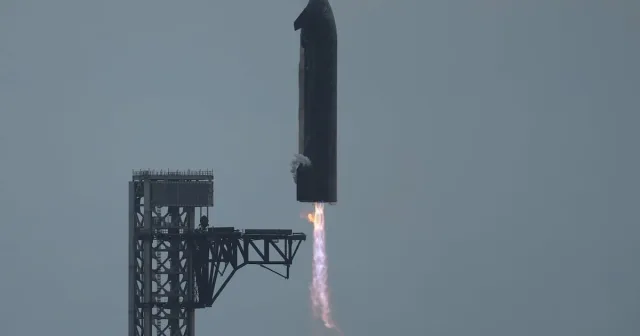
SpaceX achieved a major milestone by returning its massive Starship upper stage from Earth orbit and catching it upright with the mechanical arms of its Texas launch tower.
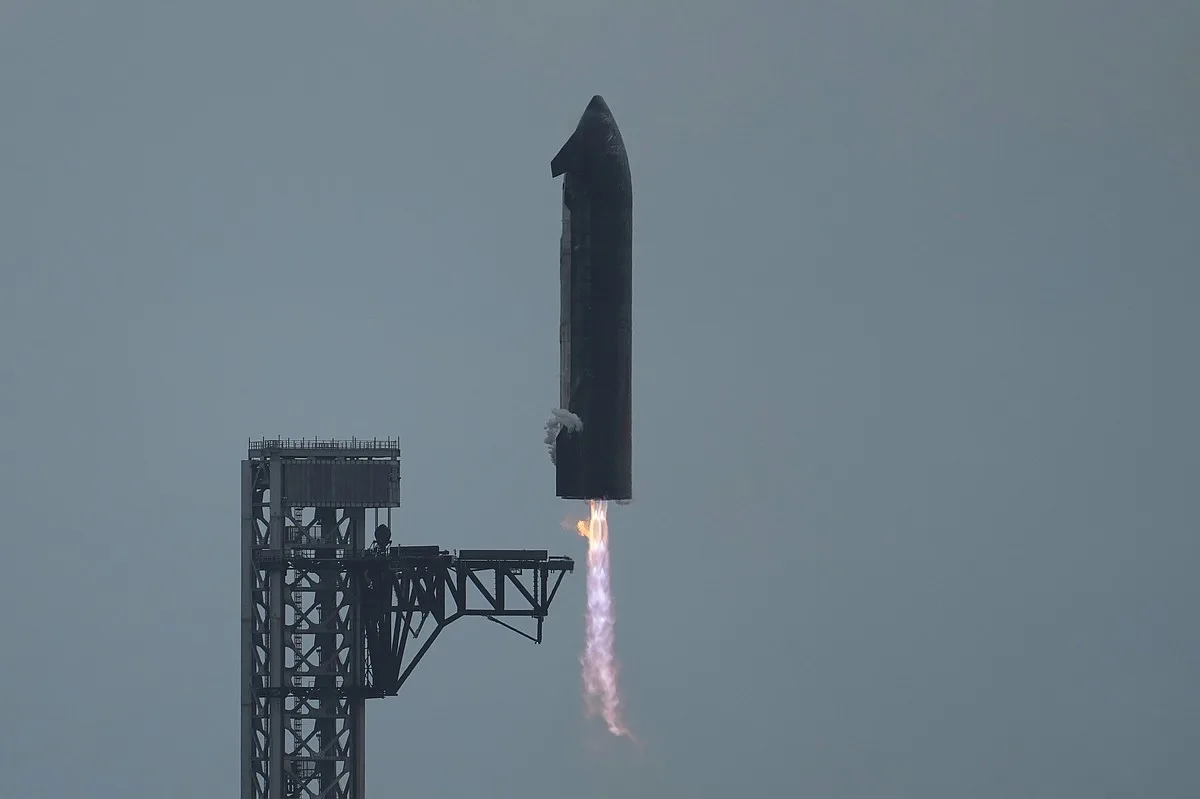
That was the Holy Grail of spaceflight, plummeting through fire to be snatched out of the air by steel. We caught a Starship and now, everything changes.
With those words, SpaceX spokesperson Dan Huot captured the magnitude of a milestone that moved rocket science out of the realm of fiction and into reality. SpaceX successfully brought its massive Starship spacecraft back from Earth orbit, catching the vehicle upright in the giant mechanical arms of its launch tower at Starbase in Texas. The milestone arrived 22 hours after launch, rewriting the economics of reusability and pushing humanity one step closer to regular interplanetary travel.
The achievement marks the first time an orbital rocket's upper stage has returned from space and made a controlled landing back at its launch site. While the 407-foot (124-meter) behemoth rocket system achieved its upper-stage dream, the mission fell short of a complete double catch. The first-stage Super Heavy booster exploded shortly after Friday's liftoff, sending debris into the Gulf of Mexico where it remains cordoned off by buoys. Even so, the unprecedented midair capture of the upper stage overshadowed the booster mishap and validated a technique crucial for lowering the cost of trips to the moon and Mars.
Can you believe it? How Starship aced its historic orbital return
Liftoff occurred late Friday afternoon from SpaceX's Starbase near the U.S.-Mexican border. The vehicle ascended from Pad 2 powered by 33 Raptor engines before executing a hot-staging separation. The upper-stage spacecraft continued its journey into space using six Raptor engines, soared into orbit 165 miles (265 kilometers) high, and deployed 26 advanced Starlink V3 satellites. Flight controllers established contact with all the satellites as they began raising their orbits to join the constellation.
Starship remained in orbit for more than 20 hours, completing 14 laps around Earth and streaming live views down via Starlink. Senior engineer Lars Blackmore explained that the return trajectory avoided densely populated areas, traveling over sparse desert before a giant swoosh maneuver looping around Rio Grande Valley cities and approaching from the east. The spacecraft reignited a single Raptor sea-level engine for its deorbit burn, descended through the atmosphere, and emerged from the clouds over the Gulf. Three Raptor engines ignited to execute a landing flip, allowing the vehicle to slow its descent and hang suspended high above the ground in the mechanical arms of the tower, nicknamed Mechazilla.
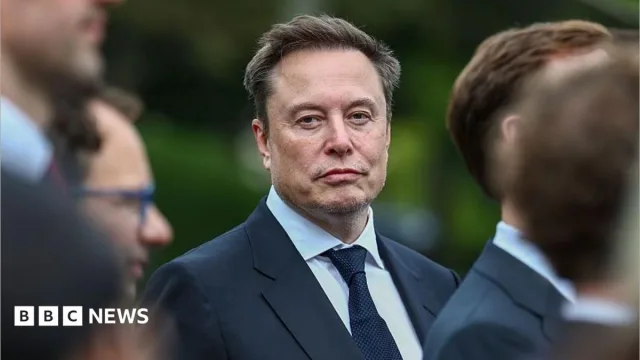
That sequence represents the 15th flight of a full-scale Starship since 2023 and only its second trip to orbit. Elon Musk later ascended the launch tower to inspect the vessel, hugging the spacecraft and reporting via X that it looked great.
Why did the Super Heavy booster fail while the upper stage triumphed?
While the upper-stage catch thrilled crowds on a Gulf beach where the 1977 hit Baby Come Back played over the livestream, the booster portion of the flight ran into trouble. Kate Tice of SpaceX reported that the Super Heavy booster's engines stopped firing too soon during its return journey. The booster's guidance, navigation, and control system sensed it was not in the correct position and automatically initiated an abort.
The booster diverted to an offshore landing location, performed its landing burn over the Gulf of Mexico, and had its flight termination system activated. SpaceX engineers are still investigating the root cause, noting that the burn ended early due to low fuel mass. Despite this setback, the company had previously successfully executed three booster catches, giving engineers confidence in the underlying recovery technique even as they analyze the telemetry from the latest anomaly.
That leaves SpaceX with a split outcome: an unblemished triumph for the bullet-shaped upper stage and a lingering technical puzzle for the heavy booster. Because the company aims to recover and reuse both stages of its launch system to eliminate the need to discard expensive hardware, understanding why the booster's fuel mass depleted too early is essential for achieving a simultaneous double catch on future flights.
What does this mean for NASA, Artemis, and Mars?
NASA officials welcomed the successful orbital return as a vital stepping stone toward returning humans to the lunar surface. The space agency is paying billions of dollars for Starship to land Artemis astronauts on the moon later this decade and help build a permanent lunar base. NASA Administrator Jared Isaacman celebrated the milestone on X, writing, It was almost magic... Making more believers by the day... one step closer to the moon.
Elon Musk's ambitions extend far beyond lunar landings, encompassing a fleet of Starships designed to build a city on Mars. Some future Starships will carry satellites and data centers, while others will transport human crews. Before those interplanetary missions launch, the hardware faces rigorous testing closer to home. SpaceX expects to begin launching Starships from Florida's Kennedy Space Center within the next few months, providing the starting point for NASA's next Artemis mission.
That upcoming mission will skip the moon to remain in orbit around Earth for lunar lander practice. During Artemis III, four astronauts will attempt to dock their capsule with both Starship and Blue Origin's Blue Moon, as the two private companies take turns delivering crews to the lunar surface. NASA is targeting as soon as 2028 for Artemis IV, which will mark humanity's first moon landing since the Apollo era more than half a century ago.
Engineers will continue investigating the booster anomaly from the Gulf of Mexico recovery zone while preparing the Florida launch infrastructure. Watch for announcements from SpaceX on the exact launch schedule for the Kennedy Space Center flights and further updates from engineers on the root cause of the booster's early engine shutdown.