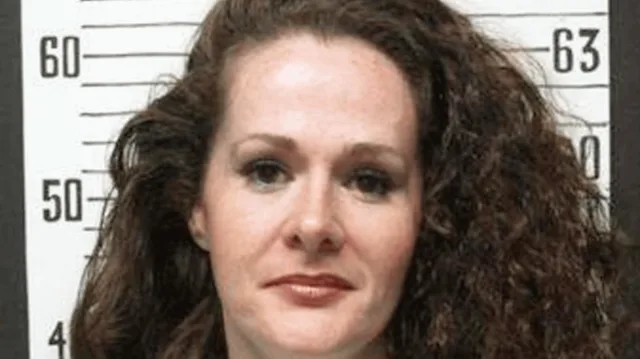
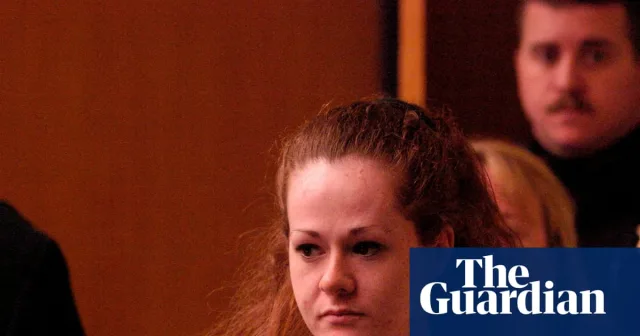
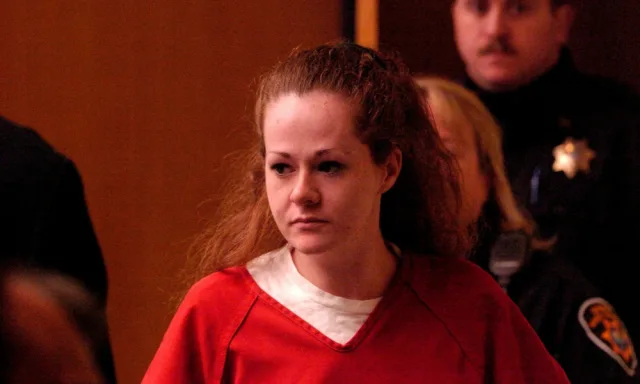
Christa Pike speaks out in first statement after failed execution
Christa Pike has released her first statement a month after surviving a botched lethal injection in Tennessee, detailing her ongoing pain and the botched procedure.
- Headline: Christa Pike speaks out in first statement after failed execution
- Dispatch Summary: Christa Pike has released her first statement a month after surviving a botched lethal injection in Tennessee, detailing her ongoing pain and the botched procedure.
- Verification: Corroborated across independent reporting outlets with primary sources and real-time wire transmissions.

Christa Pike spoke out on Friday, October 30, exactly one month after surviving two doses of the lethal injection drug pentobarbital during a botched execution at the Riverbend Maximum Security Institution in Nashville, Tenn.
Most prisoners sentenced to death in the United States die from the procedure, but the 50-year-old became the first person in the history of the country's death penalty to survive such an attempt.
What Christa Pike Said in Her First Statement
Dictated to her legal team from the infirmary at the Debra K. Johnson Rehabilitation Center on Friday, Pike revealed that she entered the execution chamber on September 30 prepared to die for the 1995 stabbing death of her classmate Colleen Slemmer, but woke up days later in a hospital bed.
There hasn’t been a moment since that night when I haven’t been in pain. My body hurts. My arms hurt. My hands hurt. My throat hurts. I still struggle to speak. And the pain isn’t just physical. There is pain in my mind and in my soul.
Christa Pike, death row inmate, via her legal team
Pike added that she had not contemplated a life beyond her execution date and criticized the execution team.
She also expressed gratitude toward the medical personnel who saved her life in the hospital and the people who showed her kindness, stating,I’m deeply hurt by the incompetence that has put so many people in this terrible position. I continue to think about my victim’s family and the terrible pain and loss they have endured.
Christa Pike, death row inmate, via her legal team
I don’t know why I survived that night. I don’t know what comes next. Some days, finding hope is harder than others.
Why Did the Execution Fail on September 30?
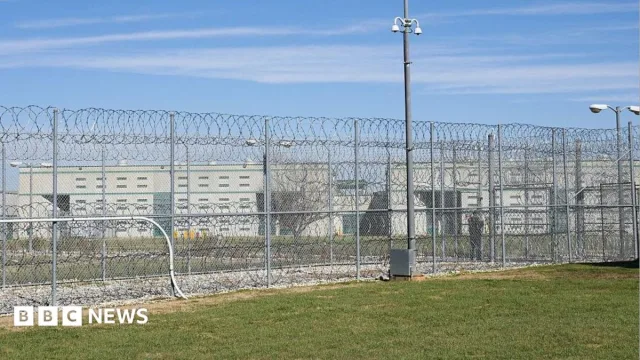
Pike was strapped to a gurney in the chamber at Riverbend Maximum Security Institution, facing execution for the murder she committed when she was 18. Members of the execution team spent almost an hour trying to establish an intravenous line through which to pump the sedative.
Her lawyers stated in a legal filing on October 2 that when Pike arrived at the hospital, her arms were swollen, burned, and blistered. They believe the IV lines were placed incorrectly or her veins burst, sending some or all of the drug into her arm tissue instead of her bloodstream. State protocols prevented further attempts to execute her after the two doses, and she was taken to a medical facility alive. She spent 10 days in the hospital before being moved to the prison.
The incident followed a similar failure in May, when Tennessee stopped the execution of Tony Carruthers after staff placed an IV into his right arm but were unable to insert a secondary IV line.
How Severe Were Her Injuries in the Hospital?
The medical fallout from the botched procedure left Pike in critical condition during her first week of hospitalization.
- Suffering from a blood clot, pneumonia, and swelling that left her unable to use both of her arms.
- Thought by Randy Spivey, one of her attorneys, during a press conference on Oct. 7 to possibly be brain-dead and could be removed from life support the following day.
- Shocking everyone on Tuesday, October 6, when she woke up and began talking.
- Spending 10 days in intensive hospital treatment before returning to the prison on October 10.
Who is Affected and How Are Officials Responding?
The fallout from the botched execution has triggered political and administrative upheaval across Tennessee, while drawing sharp reactions from legal experts and the victim's family.
May Martinez, the mother of Colleen Slemmer, traveled from Florida to witness the execution and told NBC News afterward, It was a mess.
Governor Bill Lee ordered an independent review of the execution, halted all remaining executions scheduled for the year, and stated this week that I suspect her sentence will be the same as before unless determined otherwise by the courts.
Meanwhile, state prisons boss Frank Strada is stepping down at the end of October. Pike's lawyers called Strada's resignation justified but said it does not help her now.
Pike is currently being held in the prison's infirmary, where she reported experiencing isolation similar to her 28 years spent in solitary confinement on death row. A judge recently reopened Pike’s civil case against the use of lethal injection and ordered the Department of Correction to preserve all evidence related to the failed procedure.
What Happens Next in Uncharted Legal Territory?
Legal scholars and advocacy groups note that the case has entered completely unprecedented legal ground. Robin Maher, executive director of the Death Penalty Information Center, told USA Today that the U.S. Supreme Court has not decided whether a second execution attempt would violate the constitutional protection against double jeopardy since 1947.
Seattle University Law Professor Michael Russo told the Associated Press that he doubts the Supreme Court would stop the state on double jeopardy grounds, noting, I think what this Supreme Court would say is, her sentence was to die — to be executed — not to suffer an attempt at execution.
Pike’s defense attorneys, including Stephen Ferrell and Randy Spivey, have demanded that Governor Lee commute her sentence to life imprisonment, arguing she has endured a torturous attempt at executing her. State officials have not said whether they will try to execute Pike again.
Medical experts emphasize that Pike's long-term outlook remains uncertain. Dr. Joel Zivot, a medical expert who consulted with her legal team, told the Associated Press, She has recovered to a certain degree that she's able to be off a ventilator and able to speak, but in no way would I announce her free of further serious risk. There's still a lot of bad things that can happen here.
Governor Bill Lee's term ends in January, leaving the final decision on whether to commute her sentence or pursue a second execution attempt hanging in the balance as legal battles resume in state courts.