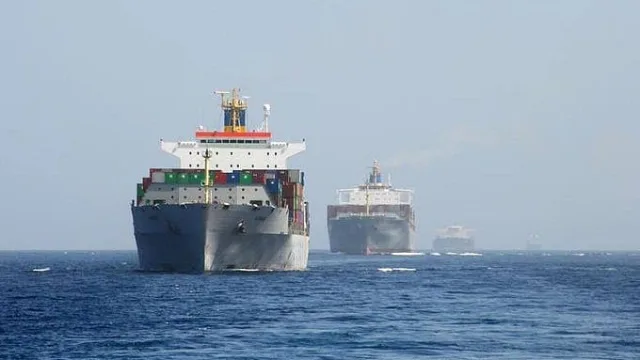
Iran's navy says oil tanker on fire after hitting naval mine in Strait o…
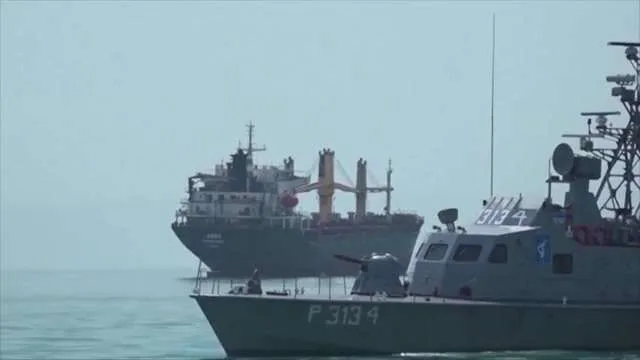
An oil tanker caught fire in the eastern Strait of Hormuz after striking a naval mine, highlighting hazards amid conflicting US and Iranian claims.
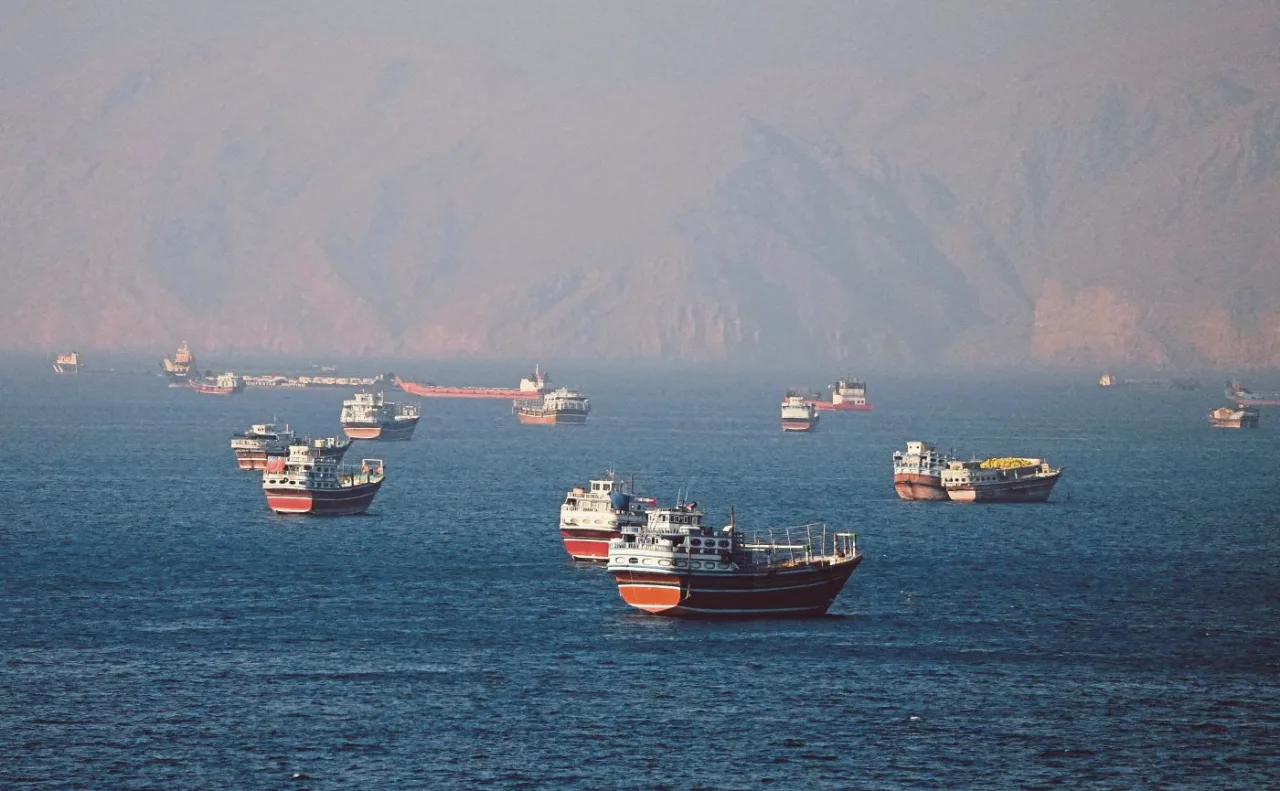
That stark contradiction highlights the severe hazards facing maritime traffic in one of the world's most critical energy transit corridors, where roughly one-fifth of the world's global oil supply passes. The unfolding crisis stems from sweeping restrictions imposed by Tehran following the outbreak of war following joint US and Israeli strikes on Iran that began on February 28.
Navigating the Restricted Waterway and Conflicting Claims
Understanding the current danger requires examining how Iran's enforced passage mechanism operates alongside competing accounts from Washington and regional commanders.
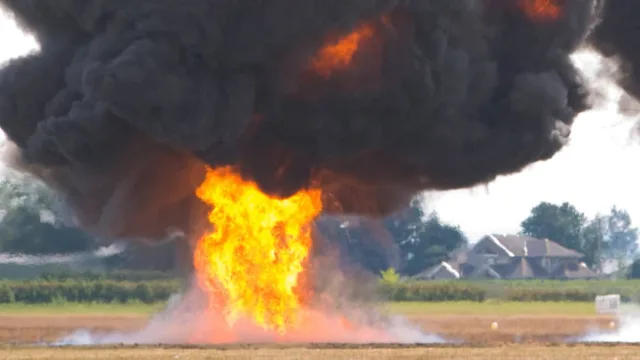
According to statements broadcast by Iranian state television and reported by agencies including ISNA and Al Jazeera, the Islamic Revolutionary Guard Corps (IRGC) Navy and Iran's regular Navy have blamed a series of recent explosions on unauthorized vessels entering prohibited zones. Iranian officials stated that the targeted ships had deliberately disabled their radar and Automatic Identification Systems (AIS) while attempting covert transits. Footage released by the IRGC on Friday showed a large plume of smoke rising from a vessel carrying liquefied gas and had struck a mine in the southern part of the strait.
| Reporting Body | Reported Incident Date | Location in Strait | Vessel Status / Details |
|---|---|---|---|
| IRGC Navy | Friday | Southern section | Two oil tankers exploded and caught fire; one identified as a supertanker with flames illuminating southern shores. |
| Iran Navy | Saturday morning | Eastern section | Oil tanker caught fire and was immobilized after hitting a naval mine in a restricted maritime zone. |
| Al Jazeera / Report.az | Over the past few hours | Strait of Hormuz | At least four oil tankers caught fire after hitting mines and exploding based on combined military statements. |
Iranian Parliament Speaker Mohammad Bagher Ghalibaf told Al Jazeera earlier in the week that the Strait of Hormuz would not return to its pre-war shipping regime and would only be reopened after the United States accepted Tehran's demands, adding that safe passage now requires explicit authorization from Iranian authorities.
The United States has challenged the narrative presented by Tehran. The US military stated that it has cleared the main shipping routes through the waterway of mines. Furthermore, US Central Command (CENTCOM) rejected a separate claim by the IRGC regarding the destruction of an American early-warning radar installation in Bahrain, clarifying on X that US forces intercepted two incoming one-way attack drones with no resulting injuries or damage.
That leaves shipping companies and vessel owners caught between a naval blockade enforced by the United States and strict Iranian maritime controls. The regular Iranian Navy's public relations department criticized owners trusting the nonsense of the criminal US president
via ISNA, warning that vessels entering the prohibited zone would face destruction.
What Vessel Operators and Regional Observers Face Next
The conflict has transformed the Strait of Hormuz into a high-risk flashpoint, affecting commercial transport, regional security, and global energy markets. With the US providing naval escorts and Iran maintaining a chokehold through naval mines and patrol enforcement, independent operators face severe operational risks.
For shipping companies and crews operating in the Persian Gulf region, security guidelines require close monitoring of official advisories and coordination protocols. Vessel operators looking to verify safety measures can check the following steps supported by the available source material:
- Review transit authorization requirements established under Iran's Hormuz mechanism for any passage through the waterway.
- Monitor tracking and identification system mandates, noting that Iranian authorities have specifically targeted vessels operating with disabled radar and AIS systems in restricted zones.
- Evaluate the reliability of security guarantees and naval escort offers provided by the US military against regional military actions and mine threats reported by the IRGC.
- Track ongoing updates from CENTCOM and state media outlets regarding mine clearance operations in main shipping lanes.
The confrontation shows no sign of immediate de-escalation as military actions expand across the region. The IRGC Aerospace Force warned of unlimited responses following the interception of its drones over Bahrain, while Iranian Army spokesperson Brigadier General Mohammad Akraminia noted that Commander in Chief Ayatollah Sayyid Mojtaba Hosseini Khamenei's latest directives emphasize rapid responses, operational effectiveness, and the removal of geographic limits for armed forces.
Attention now turns to diplomatic channels and military posture shifts, with sources indicating that US President Donald Trump told advisers he may hold off on Iran attacks barring new provocations.