Christa Pike 911 calls reveal delay after failed execution
Newly released 911 audio reveals that prison staff and emergency responders spent roughly half an hour debating whether a call for help from inside the execution chamber was a hoax after inmate Christa Pike survived a botched execution.
- Headline: Christa Pike 911 calls reveal delay after failed execution
- Dispatch Summary: Newly released 911 audio reveals that prison staff and emergency responders spent roughly half an hour debating whether a call for help from inside the execution chamber was a hoax after inmate Christa Pike survived a botched execution.
- Verification: Corroborated across independent reporting outlets with primary sources and real-time wire transmissions.
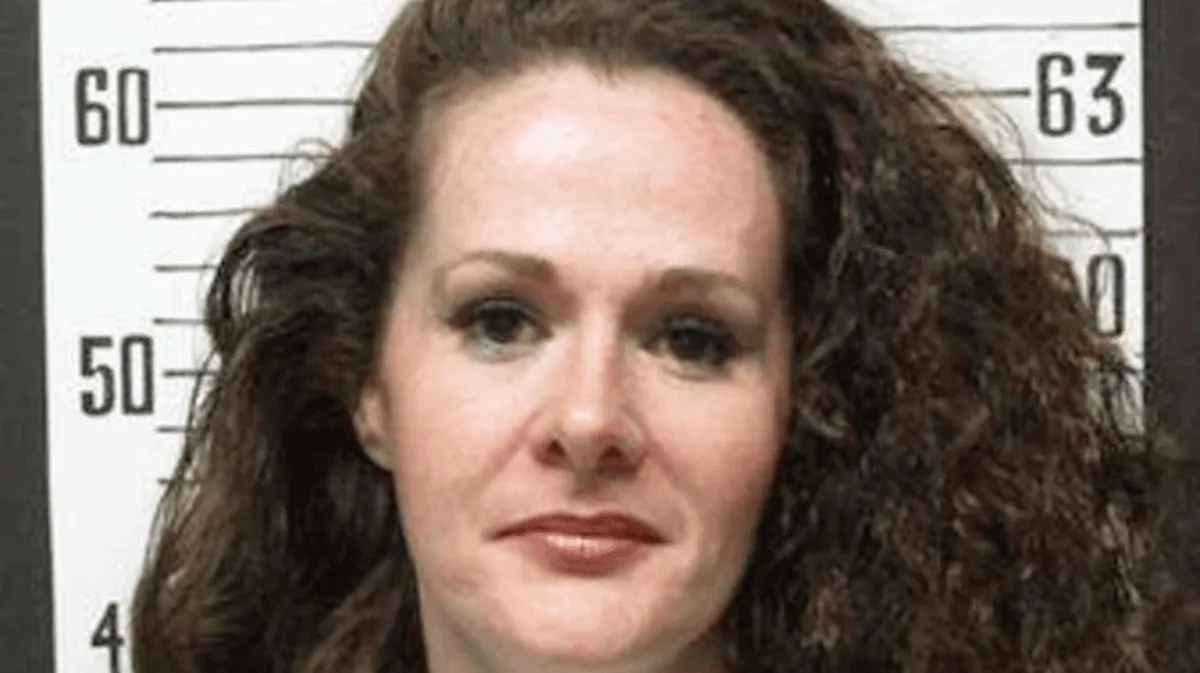
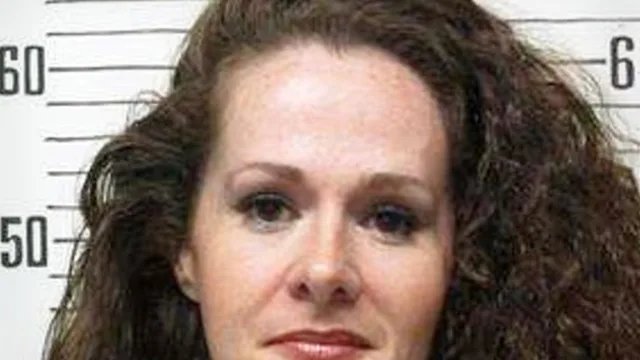
Newly released 911 audio and emergency dispatch records reveal that prison staff and emergency responders spent roughly half an hour debating whether a call for help from inside the execution chamber was a hoax or a real medical crisis. Christa Pike, a 50-year-old death row inmate in Tennessee, had just survived two doses of pentobarbital during an execution attempt on September 30. As she lay breathing inside Riverbend Prison, dispatchers were initially told by emergency supervisors that the request was false. The chaotic half-hour delay underscores a profound breakdown in communication during a state-sanctioned procedure that has now prompted a third-party review of the state's execution process.
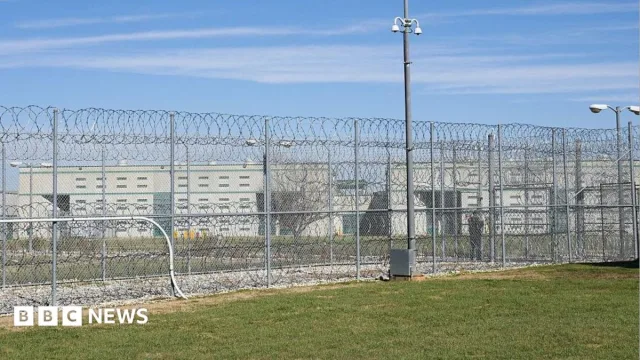
Pike was convicted of killing her 19-year-old classmate Colleen Slemmer in 1995 and was nearly the first woman to be executed in Tennessee for more than 200 years. When the lethal drugs failed to kill her, panic and confusion gripped both the execution chamber and local dispatchers. According to records obtained by The Associated Press and published by outlets including the Nashville Banner, the initial call placed from the prison at 8:40 pm lacked a proper verification code. Dispatchers wrestled with whether the call was a prank or swatting before supervisors declared it a false alarm, leaving medics waiting outside the gates while the inmate awaited care.
Timeline of the September 30 Emergency Response
- 8:40 pm: First emergency call placed from Riverbend Prison, stating an execution had been carried out, the subject was not deceased, and an ambulance was needed. The caller could not provide a verification code.
- 9:03 pm: A dispatcher tells colleagues that supervisors at the Department of Emergency Communications determined the call was false and that no medical assistance was required.
- 9:07 pm: A first responder states over the radio that someone outside the prison gate is demanding entry, claiming to be a state official and insisting the emergency is real.
- 9:08 pm: Kelly Gleason, one of Pike’s attorneys, makes a separate emergency call, stating her client is undergoing an execution, is still alive and breathing, and needs immediate life-saving care.
- 9:11 pm: Prison officials at Central Control finally confirm the emergency request is legitimate, allowing first responders through the gates after a 30-minute delay.
- 9:34 pm: Medics transport Pike to the hospital, asking dispatch to confirm the prison knows her destination
just 'cause there's been so much other confusion.
That timeline exposes an administrative disconnect where prison guards, central command staff, and city dispatchers operated out of sync. That leaves the Department of Correction with difficult questions to answer. When an execution fails, prison staff should have a direct, unshakeable protocol to summon outside medical help instantly. Instead, the recordings show dispatchers fruitlessly trying to find a sergeant or supervisor to confirm whether a botched execution was actually occurring.
Impact on the Inmate and the Legal Landscape
- Christa Pike: Survived two doses of pentobarbital, spent several days on a ventilator, regained consciousness, began talking and walking with assistance, was discharged from the hospital over the weekend, and returned to Riverbend Prison.
- Legal Team: Led by attorneys Randy Spivey and Kelly Gleason, who called Pike’s recovery
medically unprecedented
and petitioned Governor Bill Lee to commute her sentence to life without parole. - State Leadership: Governor Bill Lee ordered a third-party review and paused the state's remaining scheduled execution for 2026.
The physical toll on Pike matches the administrative chaos that followed her procedure. Her legal team suggests that the lethal pentobarbital chemical likely spread under her skin rather than reaching her bloodstream in sufficient quantity to kill her. After spending several days on a ventilator, Pike experienced what her lawyers described as a profound health turnaround. Having been discharged from the hospital over the weekend, she was returned to the prison where she has been held for 30 years, returning her to a legal gray area that is thought to be uncharted territory.
That outcome has fractured public and political reactions. Slemmer's mother, who was among those pushing for Pike to be put to death, branded the failed execution a mess.
Meanwhile, some state Republicans are already calling for alternative execution methods to be attempted, while defense attorneys urge the governor to step in permanently. Governor Lee’s decision to halt executions for the remainder of the year provides a temporary administrative stopgap, but it leaves the core mechanism of capital punishment suspended under a cloud of administrative failure.
The biggest question left open by the recordings is whether the 30-minute delay in medical response permanently worsened Pike's physical condition or whether state officials can ever legally or logistically attempt to execute her a second time. It forces Tennessee—and other states utilizing lethal injection—to confront whether their execution protocols are capable of handling outcomes outside the script. As the third-party review proceeds under the watch of Governor Bill Lee, the answers will determine not only Pike's fate but the future of capital punishment in the state.