German Chancellor Merz visits Kyiv and pledges new aid
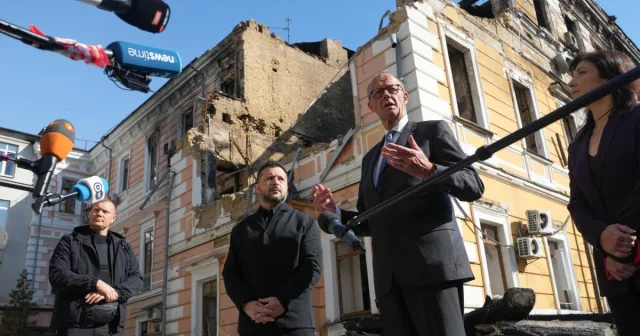
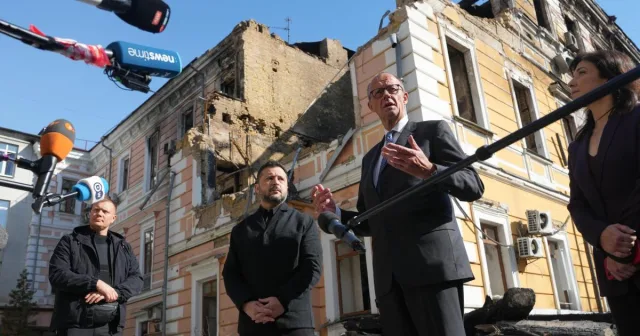
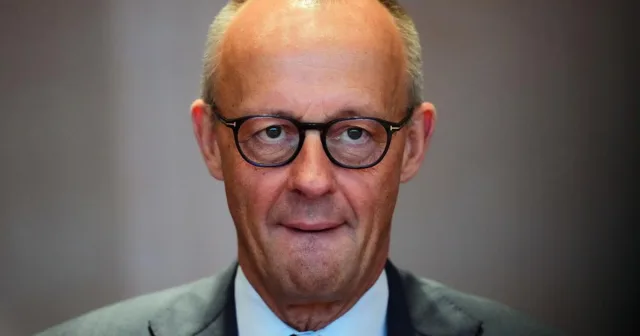
German Chancellor Friedrich Merz traveled to Kyiv to announce a €1.3 billion aid package as Russian drone and missile strikes targeted the capital's infrastructure.
- Headline: German Chancellor Merz visits Kyiv and pledges new aid
- Dispatch Summary: German Chancellor Friedrich Merz traveled to Kyiv to announce a €1.3 billion aid package as Russian drone and missile strikes targeted the capital's infrastructure.
- Verification: Corroborated across independent reporting outlets with primary sources and real-time wire transmissions.

Merz’s Kyiv Visit Amid Escalating Russian Attacks
German Chancellor Friedrich Merz arrived in Kyiv on Sunday for an unannounced visit, vowing to bolster Ukraine’s military and energy resilience as Russia intensified aerial assaults on the capital. The trip, Merz’s second as chancellor, coincided with repeated strikes on Kyiv’s infrastructure, including the Northern Bridge over the Dnipro River, which was hit by a drone attack just hours after his arrival. Air raid sirens and explosions echoed across the city, underscoring the volatile environment as Kyiv’s authorities urged residents to prepare for potential winter power outages.
Merz’s visit followed a week of heightened tensions, with Russia launching sustained attacks on Ukrainian cities using advanced jet-powered drones and ballistic missiles. Kyiv’s mayor, Vitali Klitschko, reported that three of the city’s six road bridges over the Dnipro had been partially or fully closed due to repeated strikes, causing traffic disruptions and raising concerns about the city’s ability to sustain daily life. Despite the threats, Merz reaffirmed Germany’s commitment to Ukraine, stating that “Ukraine needs all our support in the coming weeks.”
New Aid Package Focuses on Military and Energy Resilience
During his visit, Merz announced a €1.3 billion aid package for Ukraine, including €1 billion in military assistance and €350 million for energy infrastructure repairs. The military aid encompasses long-range strike weapons, combat drones, and satellite technology, aimed at enabling Ukraine to target Russian military assets beyond the front lines. The energy component includes funding for generators, transformer stations, and grid repairs, critical as Russia escalates attacks on Ukraine’s power grid ahead of winter.
The aid package aligns with broader German-Ukrainian efforts to develop joint defense technologies. According to reports, Germany and Ukraine are collaborating on systems capable of striking targets over 1,000 kilometers away, a significant escalation in their defense partnership. This initiative, first outlined by Merz in May 2025, reflects a shift from traditional military aid to co-development of advanced weaponry, with the goal of enhancing both nations’ security. However, technical details about the systems remain classified, and neither government has disclosed production schedules or deployment plans.
| Detail | Information |
|---|---|
| Aid Package Total | €1.3 billion |
| Military Assistance | €1 billion |
| Energy Infrastructure Support | €350 million |
| Long-Range Weapon Range | Over 1,000 kilometers |
Russian Strikes Target Infrastructure, Diplomatic Tensions
Russia’s attacks on Kyiv’s infrastructure have intensified in recent days, with the Northern Bridge sustaining damage from a drone strike on Sunday. The incident, captured in video footage, showed the drone detonating near vehicles crossing the bridge, injuring two people. Kyiv’s authorities have since imposed restrictions on traffic across multiple bridges, citing the risk of further strikes. The attacks are part of a broader Russian campaign targeting energy, transportation, and communication networks, which Ukrainian officials say are designed to cripple the country’s resilience during winter.
Russian Foreign Ministry spokespersons have warned foreign diplomats to leave Ukraine, issuing a statement that blamed “adverse consequences” on those who disregard the advice. Despite the threats, European ambassadors, including Germany’s, confirmed they would remain in Kyiv. Merz, however, declined to comment on whether the timing of the strikes coincided with his visit, stating that “threatening us will not stop Europe’s support for Ukraine.”
The visit also highlighted growing domestic political pressures in Germany. Merz faces criticism from the far-right Alternative for Germany (AfD), which accused him of diverting resources from domestic priorities to fund Ukraine. AfD co-leader Alice Weidel criticized the aid package, arguing that “Germany is mired in its worst energy crisis” while billions are pledged to Ukraine. Nevertheless, Merz reiterated his stance, warning that “if Russia is not stopped, its war machine will sooner or later turn against us.”
Ukraine Seeks Diplomatic and Military Escalation
Ukrainian President Volodymyr Zelenskyy emphasized the need for continued international support, stating that “Ukraine is buoyed by its strong partners.” He also highlighted the urgency of air defense capabilities, citing Russia’s deployment of 900 jet-powered drones in a single week. Zelenskyy called for expanded cooperation with the U.S. and other allies, including discussions on potential trilateral talks with Russia. However, he accused Moscow of avoiding meaningful peace negotiations, stating that “Russia is escalating attacks on civilian infrastructure, and we will respond accordingly.”
The conflict remains deadlocked along a 1,250-kilometer front line, with no concrete progress toward a ceasefire. Meanwhile, Germany’s role as Ukraine’s largest donor continues to draw scrutiny. Since the war began, Germany has provided over €43.3 billion in aid, including military equipment and financial support. Merz’s visit underscores Berlin’s strategic commitment to Ukraine, even as domestic political divisions grow over the long-term costs of the war.
Frequently Asked Questions
What is the total value of Germany’s new aid package for Ukraine?
The aid package totals €1.3 billion, including €1 billion in military assistance and €350 million for energy infrastructure repairs.
What are the details of Germany’s long-range weapons cooperation with Ukraine?
Germany and Ukraine are developing systems capable of striking targets over 1,000 kilometers away. The partnership includes joint production of drones and long-range strike weapons, though technical specifications and deployment schedules remain undisclosed.
How have Russian attacks impacted Kyiv’s infrastructure?
Russian strikes have damaged Kyiv’s Northern Bridge and forced the closure of three of the city’s six Dnipro River bridges. The attacks have disrupted traffic and raised concerns about the city’s ability to maintain power and heating during winter.
The implementation of the new aid package and the progress of Germany’s long-range weapons project will be critical in the coming months as Kyiv prepares for continued Russian aggression and winter challenges.
How significant is this wire dispatch?
Cast your anonymous vote to register reader consensus across journalism and intelligence sectors.
Dateline Wire is dedicated to independent, evidence-backed reporting. This briefing was synthesized from primary source reporting, corroborated across independent newsrooms, and verified against our Editorial Standards.