Trump arrives in China for historic trilateral summit with Xi and Putin
US President Donald Trump has arrived in Shenzhen for an unprecedented trilateral summit with Chinese President Xi Jinping and Russian President Vladimir Putin.
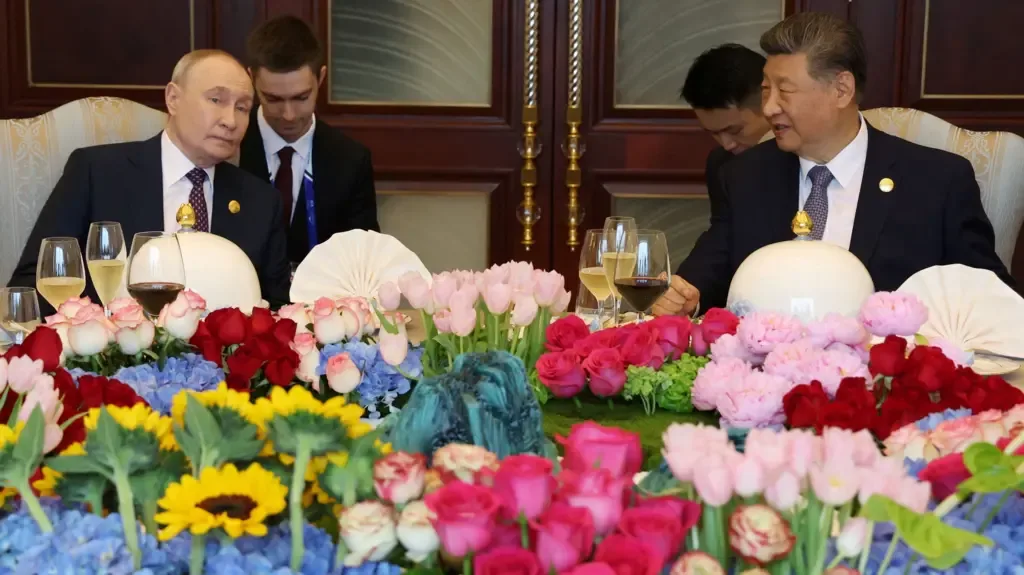
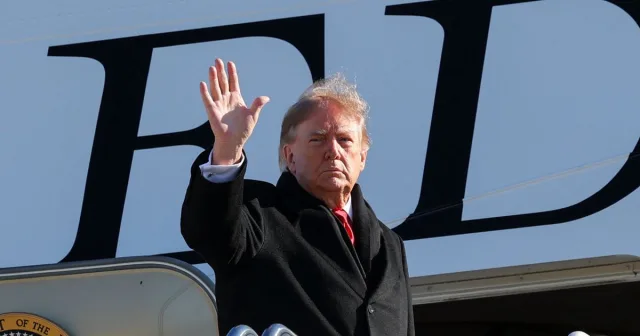
President Trump arrived in Shenzhen, China, on Wednesday, November 18, 2026, for the Asia-Pacific Economic Cooperation summit, greeted at the airport in a striking diplomatic gesture by Chinese President Xi Jinping, who personally welcomed the U.S. leader in a departure from usual protocol. The arrival sets the stage for a historic trilateral summit on Thursday with Xi and Russian President Vladimir Putin, bringing together the leaders of the world's three largest nuclear powers.
That high-profile reception signals the immense importance Beijing is attaching to the visit. The two leaders exchanged a warm embrace upon Trump's arrival, following which the U.S. President greeted accompanying Chinese officials and posed for photographs. The meeting arrives less than two weeks after Republicans suffered sweeping defeats in the U.S. midterm elections, adding domestic political pressure to a president confronting difficult foreign policy decisions.
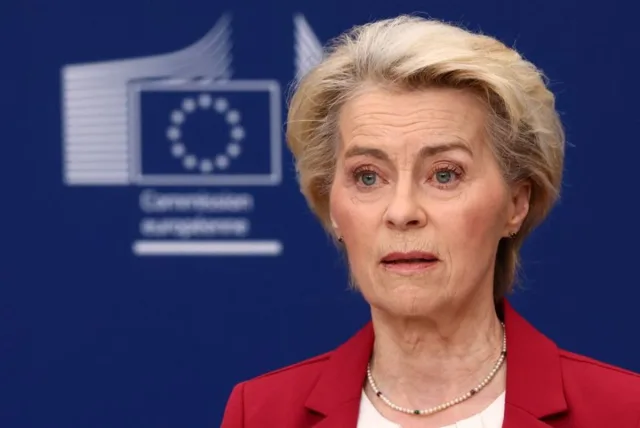
European capitals and Kyiv are facing the stark prospect of major international decisions being forged without their seat at the table. The unprecedented meeting has ignited intense global anxiety that the superpowers could carve out new spheres of influence and dictate the fate of Ukraine over the heads of local leaders. While an official said over the weekend that the war in Ukraine was not expected to be discussed, Mr. Trump later suggested that the conflict would indeed be on the agenda, telling reporters I think it's very close to getting it done. We're going to have a good meeting on that,
and pointing to mounting casualties on the Russian side.
That shift leaves European allies and Ukrainian officials scrambling to interpret what compromises might be struck by leaders meeting behind closed doors. The gathering brings together a U.S. president seeking high-profile diplomatic deals, a Chinese leader championing strategic stability, and a Russian president who remains heavily isolated by Western nations following his 2022 invasion of Ukraine. Ahead of the three-way talks, Xi and Putin concluded a bilateral meeting on Wednesday, where they discussed the war in Ukraine. Kremlin spokesman Dmitry Peskov told reporters that Putin would meet later Wednesday with Mr. Trump ahead of the trilateral summit at a formal reception. Putin mentioned his recent discussions in Moscow with Mr. Trump's envoys Steve Witkoff and Jared Kushner during his meeting with Xi on Wednesday, according to Peskov. Putin's senior aide Yury Ushakov told reporters in Shenzhen, as reported by Russian state broadcaster Vesti, The three leaders have a lot to discuss, given the unstable situation in the world.
Ushakov did not confirm an initial bilateral meeting between Putin and Mr. Trump on Wednesday, but said they might meet during a formal dinner, adding that it will not be a single event and will take place both standing, on the steps, and while seated.
Bilateral Alignment Between Xi and Putin in Shenzhen
Vladimir Putin arrived in southern China early Wednesday morning to a red-carpet welcome hosted by Xi Jinping, where the two leaders held substantive discussions on scientific research, innovation, and foreign policy. Putin praised the growth in bilateral trade and told the APEC gathering that western sanctions had failed to destroy Russia's economy. At a time when military political risks are on the rise, what is desperately needed is unity rather than division ... and dialogue rather than ultimatums,
Putin said, describing the upcoming trilateral session with Trump as potentially highly useful.
For his part, Xi urged closer political, military, and governmental ties between Beijing and Moscow, emphasizing the implementation of prior agreements between the two heads of state. Addressing the broader APEC CEO Summit earlier in the day, Xi called for deeper international cooperation on artificial intelligence and free trade, pledging that China would conduct deep-seated reform starting by lowering tariffs and expanding market access.
The growing alignment between Beijing and Moscow poses a direct challenge to traditional Western alliances. While Russia relies heavily on China to weather the diplomatic and economic fallout of its ongoing war, Beijing continues to present itself as a pillar of global stability while simultaneously rejecting Western pressure over its smaller economic partners. That dynamic sets the stage for a tense trilateral negotiation where American leverage will be tested against a united front of adversarial powers.
Disarmament, Trade Tensions, and the Shadow of Nuclear Policy
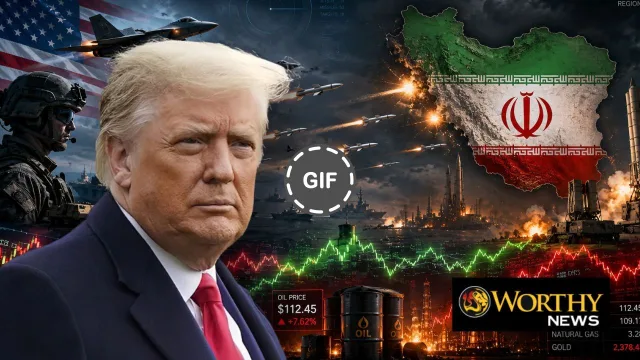
The agenda for Thursday extends far beyond Ukraine to encompass global security, nuclear disarmament, and the ongoing conflict involving Iran. A senior U.S. official, speaking on condition of anonymity, told reporters on a call, I think the president does intend to talk about Iran in the trilateral meeting with Xi Jinping and Vladimir Putin.
However, Beijing has consistently maintained that Washington and Moscow must first drastically reduce their substantially larger nuclear arsenals before China will consider entering negotiations over its own stockpile.
Economic friction runs parallel to security talks. Mr. Trump arrived in China following a multiday Asia swing that began with a stop in the Philippines, where he met with President Ferdinand Marcos at the Malacañang Presidential Palace and participated in the inaugural gathering of the Quad security alliance—comprising the United States, Australia, Japan, and India. In a public bilateral meeting, the two leaders lauded the U.S.-Philippine relationship, which Mr. Trump called one of America's oldest and most important alliances in the Pacific. In a banquet luncheon before departing for China, Mr. Trump announced that he and Marcos just consummated a very big trade deal, the biggest trade deal we've ever made, by far, and it's a fair deal for both countries, and we're very happy with that. And we didn't know that that was going to take place, but it took place very quickly, and it's a magnificent deal for both. Later, in a social media post, Mr. Trump said the deal will be a true landmark and, in particular, a deal that will be great for our farmers and those in the business of energy.
Mr. Trump announced an $85 million investment in artificial intelligence software, describing it as the greatest opportunity for economic growth since the Industrial Revolution. In the Philippines, Mr. Trump's visit also sparked protests, with demonstrators holding signs reading Trump Out, drawings of him as a clown or devil, and signs calling on the public to reject an AI hub named Pax Silica. Tesla and SpaceX CEO Elon Musk is expected to join the president on the trip, according to a senior White House official, but will not be part of the meeting with Putin and Xi.
Mr. Trump's trip to Asia also coincides with issues back at home, including recent revelations regarding an affair between Jensen Huang, the former CEO of chipmaker Nvidia, and a suspected Chinese spy, Alice Huang. Beijing has said it was not involved. Jensen Huang, who has a relationship with Mr. Trump, traveled on Air Force One during his May trip to China, and he and his wife were at the head table when Mr. Trump hosted Xi in Washington for a state dinner in September. White House officials said they do not think the Nvidia situation will loom over the trip. We do not negotiate American export controls. These are national security matters that we develop in the administration ... and we don't expect it to figure at all in any of our conversations with the Chinese while we're there, an official said. When asked Monday if Secretary of State Marco Rubio had told him about the suspicion surrounding Alice Huang, Mr. Trump said he didn't know if she was a spy, saying, I haven't heard that.
Mr. Trump also said it isn't a bad idea for Jensen Huang to be reinstated at Nvidia, but added that he recommended Apple's Tim Cook for the job. Mr. Trump acknowledged that Commerce Secretary Howard Lutnick and Treasury Secretary Scott Bessent have two lines of thought on how to handle China. Bessent last week accused Lutnick of failing to prevent China from getting some of Nvidia's most advanced chips, though both are traveling with the president. Mr. Trump told reporters before he left that he was not considering replacing Lutnick, and the Nvidia Board of Directors announced Tuesday morning that it would be creating a National Security and Export Control Oversight Committee, which Mr. Trump called a good idea.
Unresolved Questions Surrounding Kim Jong Un and Regional Security
Adding to the volatility of the summit are persistent rumors regarding a potential appearance by North Korean leader Kim Jong Un. Ahead of his departure from Washington Monday, Mr. Trump called it a big trip and indicated he was eyeing separate talks with Putin and potentially Kim, suggesting that the North Korean leader would welcome an opportunity to meet in China. After arriving in the Philippines, he said Kim would like to come, but we'll see what happens. Beijing quickly stated it had no information regarding such a meeting, and U.S. Secretary of State Marco Rubio stopped short of confirming whether discussions with Pyongyang would take place, though he noted that the president is willing to engage.
If we have a problem with North Korea, the only way we’re ever going to solve it is if we engage with them.
Marco Rubio, US Secretary of State, via CBS News
That pragmatic defense of direct engagement mirrors Mr. Trump's broader diplomatic strategy of pursuing face-to-face negotiations with authoritarian leaders, regardless of longstanding protocol.
Yet U.S. officials have repeatedly cautioned that no major agreement is expected to emerge from the unprecedented trilateral gathering in Shenzhen. That leaves open the central question of what concrete outcomes can actually be delivered on Thursday. As Mr. Trump, Xi, and Putin sit down to negotiate the architecture of 21st-century power dynamics, the rest of the world is left waiting to discover whether the summit will produce a genuine diplomatic breakthrough or merely cement new divisions across the global order.
Updated 2 times since publication; last update 18 November 2026, 13:05.