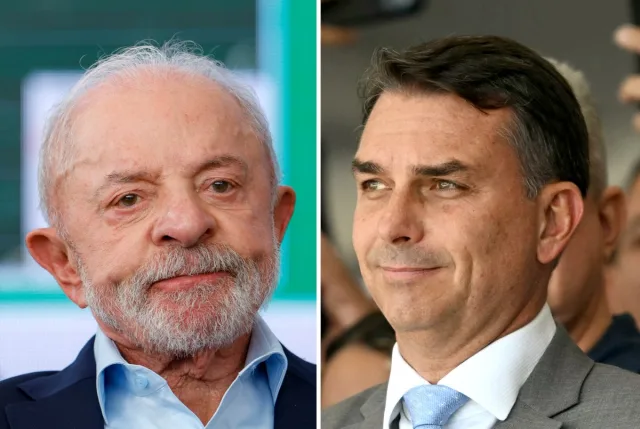
Flávio Bolsonaro and Lula to face off in Brazil presidential runoff
Incumbent Luiz Inácio Lula da Silva and right-wing senator Flávio Bolsonaro are advancing to an October 25 presidential runoff after a first round.
- Headline: Flávio Bolsonaro and Lula to face off in Brazil presidential runoff
- Dispatch Summary: Incumbent Luiz Inácio Lula da Silva and right-wing senator Flávio Bolsonaro are advancing to an October 25 presidential runoff after a first round.
- Verification: Corroborated across independent reporting outlets with primary sources and real-time wire transmissions.

Bolsonaro and Lula Set for October 25 Runoff
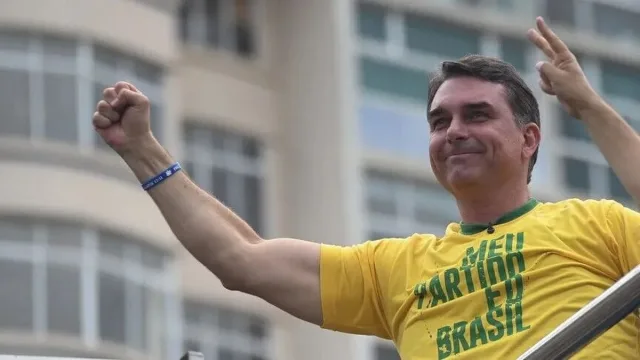
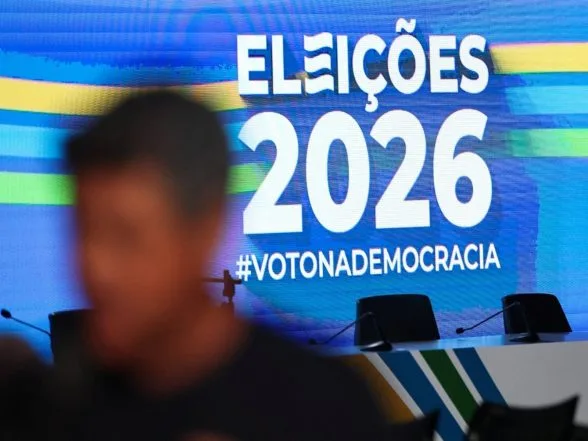
Brazil’s presidential election has entered its final phase, with incumbent President Luiz Inácio Lula da Silva and right-wing senator Flávio Bolsonaro advancing to a runoff on October 25 after neither secured the 50% threshold needed for an outright victory. The first-round results, announced by Brazil’s electoral court, showed Bolsonaro with 56 million votes and Lula with 53.7 million, though some analyses framed the gap as 47% to 45%. The outcome sets the stage for a high-stakes contest over Brazil’s economic direction, social policies, and international relations. The runoff will determine whether Lula, 80, secures a fourth non-consecutive term or if Bolsonaro, 45, succeeds his jailed father, Jair Bolsonaro, as the country’s leader. Both candidates faced challenges in the first round, with Bolsonaro’s campaign focusing on affordability, crime, and U.S. alignment, while Lula emphasized social welfare and resistance to foreign influence. The race has also drawn global scrutiny, including a viral blunder by U.S. President Donald Trump, who mistakenly attributed Brazil’s election to India.| Detail | Information |
|---|---|
| First-round vote shares | Bolsonaro: 47% (mezha.net), Lula: 45% (mezha.net); 56 million vs. 53.7 million votes (malaysia.news.yahoo.com) |
| Runoff date | October 25, 2026 |
| Incumbent’s term | Lula seeks fourth non-consecutive term; Jair Bolsonaro’s 27-year prison sentence for coup plotting |
| Key issues | Economic stability, public safety, U.S.-Brazil relations, and social policies |
Economic and Social Campaigns Shape the Runoff
The first-round campaign centered on Brazil’s economic struggles, with Bolsonaro positioning himself as a pro-growth alternative to Lula’s policies. His platform emphasized reducing inflation, combating organized crime, and strengthening ties with the U.S., particularly under Donald Trump. Lula, meanwhile, highlighted his record on poverty reduction and his opposition to U.S. influence, framing the race as a choice between “democracy and barbarism.” Bolsonaro’s unexpected lead, which exceeded pre-election polls, was attributed to his appeal to conservative voters and protest votes from those disillusioned with Lula’s Workers’ Party. However, his campaign also faced scrutiny over legal issues, including allegations of money laundering tied to Banco Master, a financial institution under investigation. Lula, despite his popularity among lower-income voters, struggled to win over moderate and urban voters amid a cost-of-living crisis and a corruption scandal involving the judiciary. Both candidates have three weeks to broaden their support, targeting voters who backed third-place candidates Augusto Cury and Ronaldo Caiado. Cury, a writer with 3.4 million votes, and Caiado, a former governor with 5.3 million combined, have pledged not to endorse either finalist, leaving their supporters’ influence uncertain.Global Reactions and Domestic Concerns
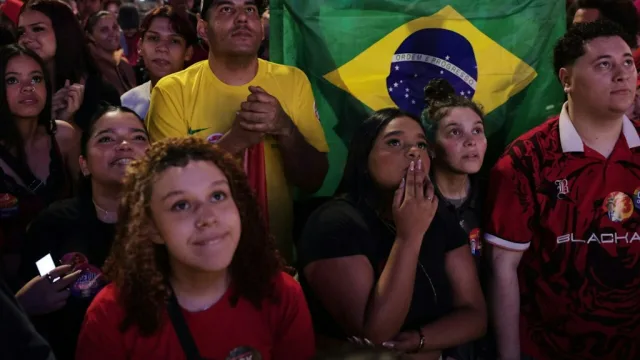
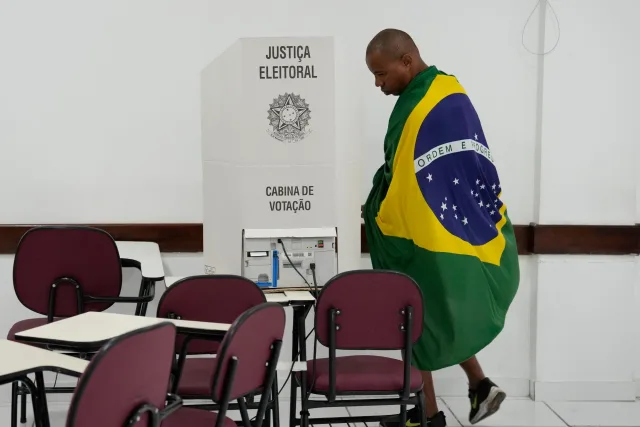
The election has drawn international attention, particularly after Trump’s social media post confused Brazil’s first-round vote with India’s presidential election. The U.S. president claimed 125 million voters had cast ballots in India, a claim debunked by fact-checkers. The error underscored the global spotlight on Brazil’s political shift, with analysts noting that a Bolsonaro victory could align the country more closely with U.S. interests, while a Lula win would likely maintain Brazil’s strategic balance with China and other regional powers. Domestically, concerns about electoral integrity remained low, as Brazil’s electronic voting system, unchanged since the 1990s, was praised by the Organization of American States for its smooth operation. Voters expressed confidence in the process, with many citing its speed as a deterrent to fraud. However, polarization persists, with Lula supporters fearing a resurgence of conservative policies and Bolsonaro backers advocating for a break from what they see as entrenched political elites.Frequently Asked Questions
Frequently Asked Questions
When is the Brazilian presidential runoff?
The runoff is scheduled for October 25, 2026, following the first-round vote on October 5.
What are the main issues in the runoff?
The race focuses on economic stability, crime, U.S.-Brazil relations, and social policies. Bolsonaro emphasizes affordability and U.S. ties, while Lula highlights poverty reduction and resistance to foreign influence.
What was Trump’s mistake in the election context?
U.S. President Donald Trump mistakenly referred to Brazil’s first-round vote as India’s in a social media post, claiming 125 million voters had cast ballots in India’s presidential election, which did not occur.
Next Steps and Unresolved Questions
As the runoff campaign intensifies, both candidates face the challenge of uniting divided voter bases. Key questions remain: Will Bolsonaro’s focus on economic reform resonate with moderate voters, or will Lula’s social policies secure his re-election? How will Brazil’s geopolitical stance evolve depending on the outcome? Meanwhile, the role of third-party candidates and the impact of foreign perceptions—particularly the U.S. election’s global ripple effects—will shape the final weeks of the race. The October 25 vote will not only decide Brazil’s next leader but also signal the nation’s direction in an increasingly polarized world.How significant is this wire dispatch?
Cast your anonymous vote to register reader consensus across journalism and intelligence sectors.
Dateline Wire is dedicated to independent, evidence-backed reporting. This briefing was synthesized from primary source reporting, corroborated across independent newsrooms, and verified against our Editorial Standards.