Brazil election heads to runoff after Bolsonaro and Lula fail to win maj…
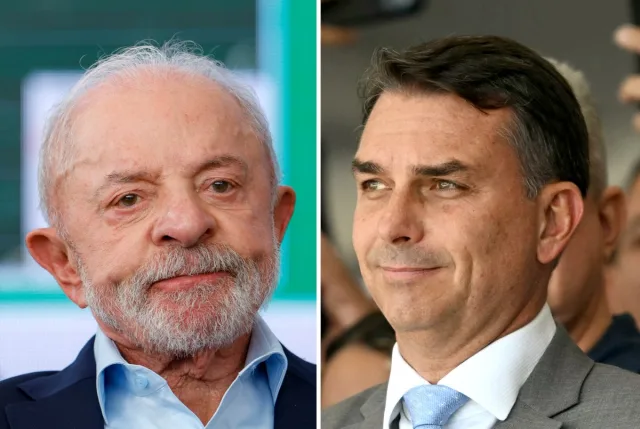
Neither candidate secured a majority in the first round, setting up a high-stakes runoff between right-wing senator Flávio Bolsonaro and incumbent Luiz Inácio Lula da Silva.
- Headline: Brazil election heads to runoff after Bolsonaro and Lula fail to win maj…
- Dispatch Summary: Neither candidate secured a majority in the first round, setting up a high-stakes runoff between right-wing senator Flávio Bolsonaro and incumbent Luiz Inácio Lula da Silva.
- Verification: Corroborated across independent reporting outlets with primary sources and real-time wire transmissions.
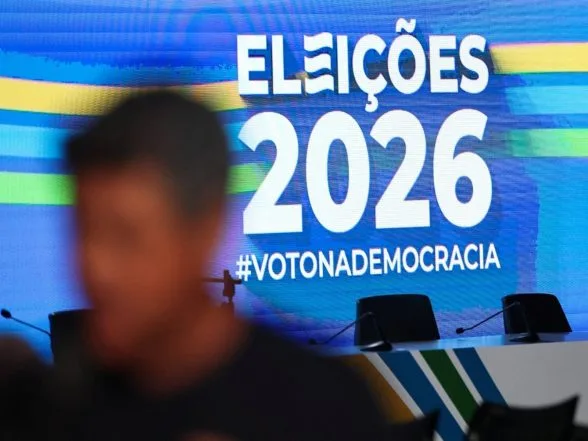
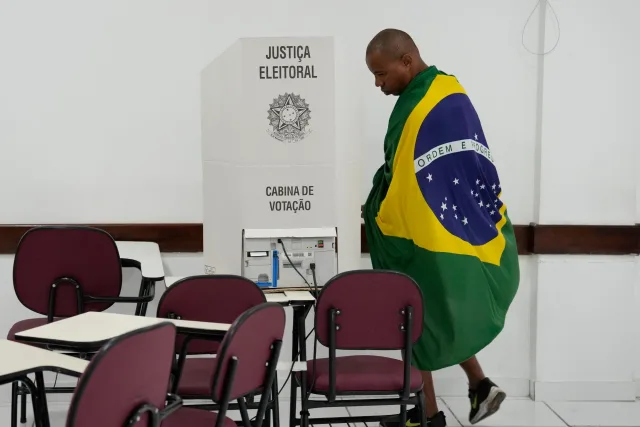
Brazil’s presidential election has entered a critical phase as incumbent Luiz Inácio Lula da Silva and right-wing senator Flávio Bolsonaro advance to a runoff after failing to secure an outright majority in the first round. The contest, marked by deep political polarization and high stakes, will see the two candidates vie for the leadership of Latin America’s largest economy and a population of 214 million.
Runoff Set After Tight First Round
The runoff, scheduled for October 25, follows a first-round vote in which neither candidate surpassed the 50% threshold required for an immediate win. According to Brazil’s Superior Electoral Court, Flávio Bolsonaro secured 47.26% of the vote, while Lula, the 80-year-old incumbent, garnered 44.89% with 98.69% of results counted. A third candidate, Ronaldo Caiado, trailed with 3.4%, and Renan Santos with 2.3%. The electronic voting system, adopted in the 1990s, enabled rapid results, with over 160 million eligible voters participating.
The race echoes the 2022 contest, in which Lula narrowly defeated Flávio’s father, former president Jair Bolsonaro, by 2.1 million votes. Jair Bolsonaro, now serving a 27-year prison sentence for plotting a coup after his defeat, remains a shadowy figure in this election. Flávio Bolsonaro, 45, has positioned himself as a continuation of his father’s policies, emphasizing crime crackdowns and closer ties to the United States under President Donald Trump.
Candidates’ Platforms and Challenges
Lula, leader of the Workers’ Party, is seeking his fourth non-consecutive term and has pledged to expand social programs aimed at reducing inequality. His campaign has focused on defending Brazil’s sovereignty against U.S. influence, a stance amplified by recent tensions over tariffs and sanctions. However, Lula faces challenges from a corruption scandal involving Supreme Court Justice Alexandre de Moraes, who presided over Jair Bolsonaro’s trial. The scandal has cast a shadow over Lula’s campaign, though the sources do not specify details about alleged ties to a jailed banker.
Flávio Bolsonaro, running for the Liberal Party, has pledged to address Brazil’s affordability crisis and criminal groups. He has also advocated for a tougher stance on the U.S.-backed “Shield of the Americas” anti-crime alliance. His campaign has drawn support from evangelicals and the agricultural sector, though concerns about his father’s legacy persist. Flávio’s father, Jair Bolsonaro, is under house arrest for his role in the 2022 coup plot, and his influence remains a contentious issue.
U.S. Influence and Domestic Concerns
The election has drawn international attention, with Lula accusing the Trump administration of attempting to sway the outcome through tariffs, visa restrictions, and sanctions. The U.S. has denied these claims, but the political alignment between Flávio Bolsonaro and Trump has raised questions about Brazil’s future foreign policy. A Bolsonaro victory could deepen U.S. influence in Latin America, while a Lula win would likely maintain Brazil’s strategic ties with China.
Domestically, voters have prioritized issues like crime, corruption, and the economy. A recent survey by Quaest found that 31% of respondents cited violence as their top concern, followed by corruption (20%) and the economy (19%). Both candidates have sought to appeal to these anxieties, with Flávio emphasizing security and Lula highlighting his social policies.
| Detail | Information |
|---|---|
| Vote percentages (first round) | Flávio Bolsonaro: 47.26% | Lula: 44.89% |
| Runoff date | October 25 |
| Eligible voters | ~160 million |
| Electronic voting system | Adopted in 1990s, enabling rapid results |
| Key issues | Crime (31%), corruption (20%), economy (19%) |
Implications for Brazil’s Democracy
The runoff has reignited debates about Brazil’s democratic stability. Jair Bolsonaro’s conviction for the 2022 coup plot and his subsequent imprisonment have raised concerns about the resilience of Brazil’s institutions. However, the electoral court has maintained that the process has been transparent, with no evidence of fraud. International observers, including the Organization of American States, have reported smooth voting conditions.
The outcome of the runoff will shape Brazil’s trajectory in the coming years. A Lula victory could signal a return to his social policies and a more independent foreign policy, while a Bolsonaro win would likely shift the country closer to U.S. interests. Both candidates face the challenge of uniting a deeply divided electorate, with polls indicating that roughly half of Brazilians disapprove of the Bolsonaro family and the Workers’ Party.
Frequently Asked Questions
When is the runoff election in Brazil?
The runoff is scheduled for October 25, following the first-round vote on October 5, which saw neither candidate secure a majority.
What are the main issues in the election?
Voters have prioritized crime, corruption, and the economy. Flávio Bolsonaro emphasizes security and U.S. alignment, while Lula focuses on social programs and resisting foreign interference.
How does the U.S. factor into the election?
Lula accuses the Trump administration of interfering through tariffs and sanctions, while Flávio Bolsonaro has aligned with U.S. policies. A Bolsonaro win could increase U.S. influence in Latin America.
The next phase of the campaign will focus on winning over undecided voters and addressing concerns about Brazil’s future. With the runoff date set, the nation awaits the final outcome of a contest that has tested its democracy and political divisions.
How significant is this wire dispatch?
Cast your anonymous vote to register reader consensus across journalism and intelligence sectors.
Dateline Wire is dedicated to independent, evidence-backed reporting. This briefing was synthesized from primary source reporting, corroborated across independent newsrooms, and verified against our Editorial Standards.