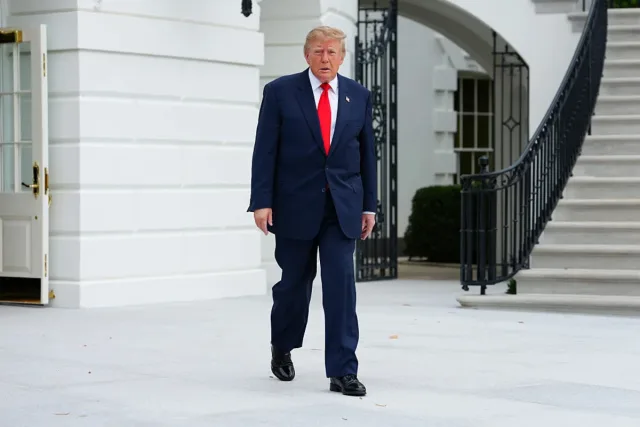
Zelenskyy says Russia strikes energy facilities despite Trump claim of a…
Volodymyr Zelenskyy criticized Moscow for immediately violating a purported energy ceasefire announced by Donald Trump, as Russian drones struck power and gas plants across Ukraine.
- Headline: Zelenskyy says Russia strikes energy facilities despite Trump claim of a…
- Dispatch Summary: Volodymyr Zelenskyy criticized Moscow for immediately violating a purported energy ceasefire announced by Donald Trump, as Russian drones struck power and gas plants across Ukraine.
- Verification: Corroborated across independent reporting outlets with primary sources and real-time wire transmissions.
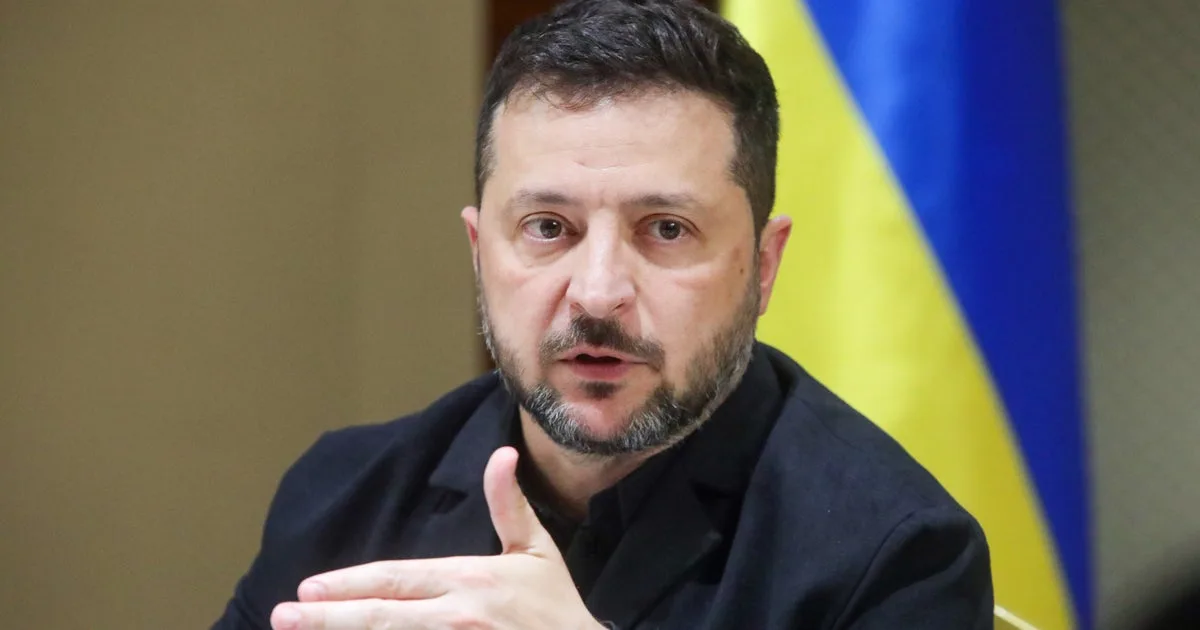
We support it, but I have not heard approval of this proposal from the Russian side,
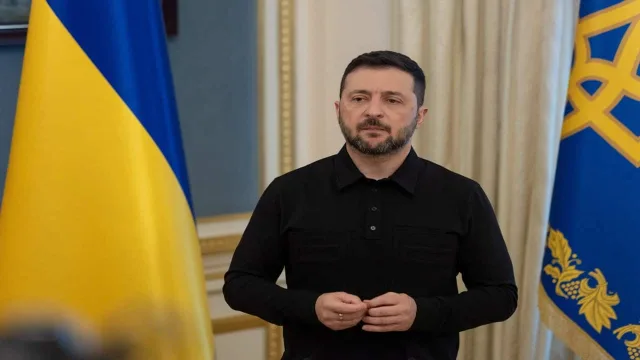
Ukrainian President Volodymyr Zelenskyy said on Monday, laying bare the widening chasm between social media diplomacy in Washington and the grim reality on the ground in a 4 1/2-year-old war. Speaking at the Warsaw Security Forum in Poland, Zelenskyy accused Moscow of immediately violating a purported energy ceasefire announced by U.S. President Donald Trump just a day earlier. While Washington insists a mutual pause on targeting energy infrastructure took effect instantly, Ukrainian cities awoke to burning power plants, ruined gas facilities, and barrage after barrage of drones. That leaves a fragile international initiative hanging by a thread, caught between U.S. domestic political pressures ahead of midterm elections and Russian President Vladimir Putin's relentless campaign to freeze out Ukrainian civilians before winter sets in.
Who acts, who is hit, and who benefits in the energy ceasefire standoff?
The diplomatic landscape is defined by sharply conflicting priorities among Washington, Kyiv, European capitals, and Moscow. President Trump announced the energy ceasefire in a brief Truth Social post on Sunday, demanding that both warring nations halt strikes on energy sites immediately with the warning, Do not break it!
That sudden announcement followed a deal struck on Friday by Trump to import Russian diesel in an attempt to address high fuel prices just weeks ahead of U.S. midterm elections. Zelenskyy admitted he was horribly surprised
by the ceasefire post, learning of it through media reports while Kyiv was already under attack. Although Kyiv declared itself ready to comply with Trump's requests to stop striking Russian refineries if Moscow halted attacks on Ukraine’s energy system, Zelenskyy conditioned compliance on Moscow doing the same, stating bluntly: If Russia does not agree to an energy ceasefire this winter, we will respond.
European Union leadership has rallied around Kyiv while expressing deep skepticism regarding the Kremlin's intentions. EU foreign policy chief Kaja Kallas welcomed the prospect of a pause during a meeting of foreign ministers in Luxembourg, noting, We haven’t yet seen that also Russia will stick to it,
and adding that she would personally welcome that the ceasefire would include people not being killed, not only energy. Baltic and European officials sharply criticized Trump’s diesel deal with Putin, arguing it provides a financial lifeline to the Kremlin. Lithuania’s foreign minister, Kęstutis Budrys, warned that the arrangement harms transatlantic unity, while the EU simultaneously announced its single largest sanctions expansion since the invasion began — adding almost 1,600 new sanctions on Russia’s military-industrial complex. Meanwhile, Moscow's forces have pressed their advantage, using strikes to deny civilians heat, power, and running water in a deliberate strategy Ukrainian officials call weaponizing winter.
What were the immediate targets and human tolls of the latest strikes?
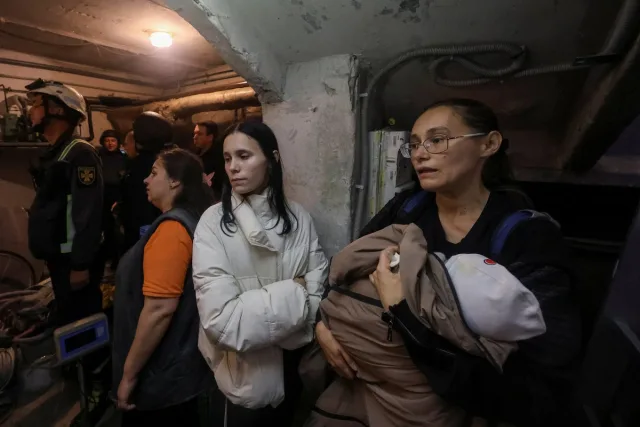
Despite the ink barely drying on Washington's proclaimed truce, Russian forces launched targeted attacks across multiple regions of Ukraine. The destruction unfolded across residential neighborhoods, critical infrastructure, and transport routes:
- A Russian drone attack on the village of Pisochyn in the Kharkiv district on Sunday evening killed three people and injured nine others, including children, according to the Kharkiv Regional Prosecutor’s Office.
- Russian drones struck a high-rise residential building in Kharkiv, Ukraine's second-largest city, destroying floors seven through nine and sparking an intense fire, as reported by Kharkiv Mayor Ihor Terekhov.
- State oil and gas company Naftogaz reported that overnight strikes damaged critical equipment at gas production facilities in the Kharkiv region, sparking a fire that acting CEO Sergii Fedorenko said workers were rushing to repair.
- In Kyiv, daytime strikes on Monday injured two people, while falling debris from Russian attacks sparked a fire in a private residential building in the capital's Darnytskyi district, with debris also falling in an open area near private residential buildings in the Solomianskyi district and on a warehouse building in the Darnytskyi district.
- Ukraine’s Air Force reported that defense forces shot down or suppressed 89 of 121 Russian drones overnight Monday — including one Kh-59 guided air-to-surface missile and 76 jet-powered Shahed-type drones, with strikes recorded at 15 locations.
The Russian Defense Ministry on Monday said its air defenses overnight intercepted 151 Ukrainian drones over Russian regions as well as the illegally annexed Crimea and the waters of the Black Sea, and stated in a separate statement that its forces overnight carried out drone strikes on Ukraine’s unspecified port infrastructure and a bulk carrier heading to Ukraine's port city of Odesa with military cargo on board.
Why did Donald Trump announce the truce, and how did Kyiv react?
The timing of Washington's intervention is inextricably linked to American domestic politics and global energy market shocks. Trump’s push for an energy ceasefire comes just weeks before U.S. midterm elections, following intense criticism over high diesel prices. Trump blamed those high prices directly on Ukrainian drone strikes against Russian oil refineries rather than broader disruptions. By striking a deal with Putin to import Russian diesel on Friday in an attempt to address high fuel prices just weeks ahead of U.S. midterm elections, the White House drew fierce condemnation from a bipartisan group of six senators, including four Republicans, who called on the Trump administration to immediately reverse course on the deal and avoid providing Putin with a financial lifeline.
Kyiv’s initial reaction was one of utter bewilderment. Zelenskyy noted that it was clear that Putin does not read Truth Social,
pointing out that Russian attacks continued as the digital announcement went live. European allies shared this frustration. French President Emmanuel Macron told reporters at a Paris autoshow that he had not noted any energy ceasefire coming from the Russian side over the last 48 hours. At the Warsaw Security Forum, Polish Prime Minister Donald Tusk declared that Russia is not interested in a ceasefire, de-escalation, or peace, prompting him to go to Brussels to urge all European partners to consider increasing sanctions. That leaves Zelenskyy waiting for concrete American diplomatic intervention, noting that while an energy ceasefire can work and become a major step toward ending the war, it requires specific steps from the Americans to make sure Russians respect it.
What comes next for the fractured energy truce and Ukrainian leadership?
The immediate trajectory of the conflict hinges on whether Washington follows through with direct diplomatic pressure on Moscow to halt infrastructure attacks. Zelenskyy made clear that Kyiv is waiting for the details of the conversation between the Americans and the Russians, and waiting to see what specific steps the Americans are ready to take. At the same time, the diplomatic fallout has reignited debates over domestic governance in Ukraine. Following Trump's comments on Saturday that it was time for Ukraine to get a new president and that Zelenskyy has not done enough to end the war, European leaders pushed back hard against holding wartime elections.
Kaja Kallas pushed back on Trump's comments, stating that now is not the time to hold elections in Ukraine, at least not without a ceasefire. Zelenskyy reinforced that position in Warsaw, explaining that holding elections in Ukraine was impossible during war time, especially with new Russian tactics involving attacks during both the day and night. He specified that he would be ready to work towards doing so if Ukraine secured a full ceasefire lasting at least 60 days. Until the Kremlin demonstrates compliance on the ground, Kyiv has made its counter-strategy unambiguous. As Australia’s Department of Foreign Affairs and Trade voiced conditional support for an energy ceasefire respected by Russia, Zelenskyy reaffirmed that if Moscow does not agree to an energy ceasefire this winter, we will respond.
Meanwhile, the Russian Defense Ministry maintained its posture on Monday, asserting that its air defenses overnight intercepted 151 Ukrainian drones over Russian regions as well as the illegally annexed Crimea and the waters of the Black Sea.