Saudi-led coalition warns holy sites are red line after Houthi drone attack
The Saudi-led coalition intercepted a Houthi drone near Mecca, warning that attacks on holy sites cross a critical red line as regional oil infrastructure faces mounting threats.
Saudi-Led Coalition Intercepts Houthi Drone Near Mecca, Warns of 'Red Line'
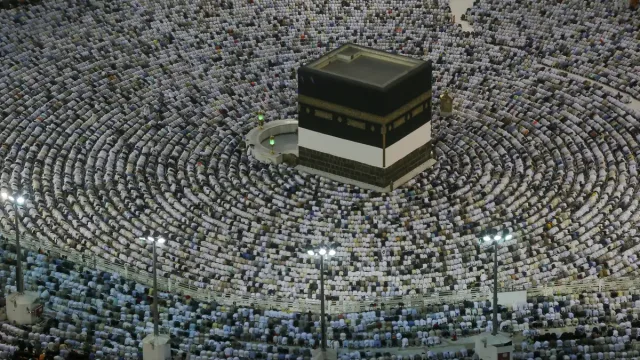
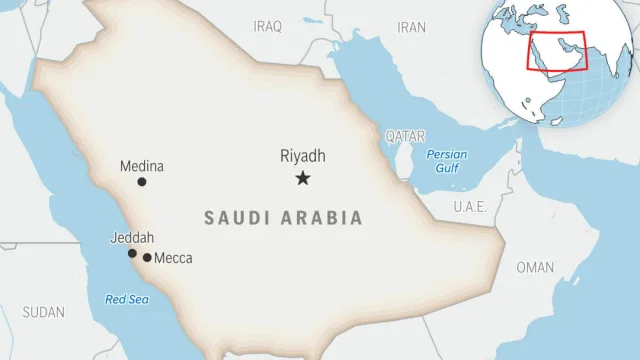
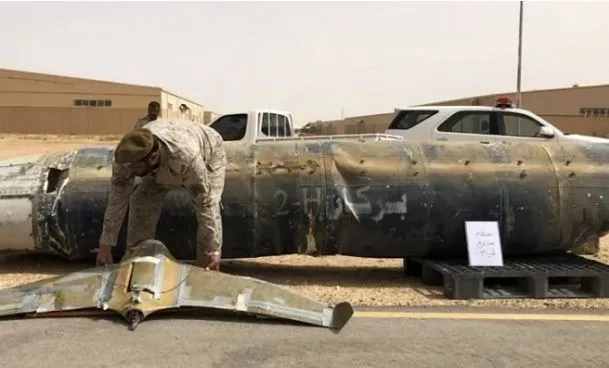
Saudi Arabia’s air defences intercepted a Houthi drone south of Mecca on Tuesday, marking the second alleged attempt by the Iran-backed group to target the holy city since 2017. The Saudi-led military coalition stated the drone was destroyed before entering prohibited airspace over Makkah, the birthplace of the Prophet Muhammad and the focal point of the hajj pilgrimage. The coalition’s spokesperson, Turki al-Malki, emphasized that the security of holy sites constitutes a “red line,” signaling a heightened threshold for potential escalation in the Yemen conflict.
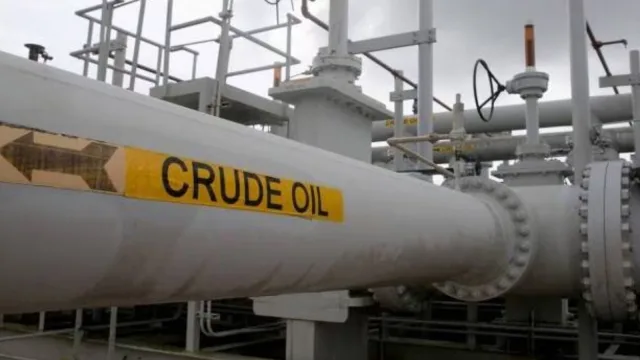
The incident follows a week of intensified Houthi attacks on Saudi Arabia, including strikes on an air base that injured 13 civilians. The coalition has blamed the Houthis for a separate attack on the East-West Pipeline, a 1,200-kilometer (745-mile) route critical to Saudi oil exports. The pipeline, which has been shut since the Friday attack, could disrupt up to 4% of global oil supply if the closure persists, according to traders. U.S. Energy Secretary Chris Wright, however, predicted crude would resume flowing through the route within days.
| Detail | Information |
|---|---|
| East-West Pipeline Length | 1,200 km (745 miles) |
| Estimated Global Oil Supply Impact | Up to 4% |
| Previous Houthi Attack on Mecca | Ballistic missile launch in July 2017 |
Houthis Deny Targeting Holy City, Call Allegations 'Outright Lie'
Houthi political bureau member Mohammed al-Farah and senior figure Hazem al-Assad categorically denied the group’s involvement in the Mecca drone attack, labeling the claims “an outright lie” and a “worn-out lie” respectively. The rebels accused Saudi Arabia of fabricating the narrative to justify military actions, while asserting that their attacks are directed at “military and strategic targets” rather than religious sites. The Houthi-run SABA news agency reported the denial, though no independent verification of the claims has been provided.
The Houthis have intensified their campaign in recent weeks, seizing control of parts of Yemen’s Red Sea coast, including the Bab el-Mandeb strait—a vital shipping lane. This strategic gain threatens Saudi oil exports rerouted from the Strait of Hormuz, which has been disrupted by nearly seven months of conflict. The group also claimed to have shot down a Saudi F-15 fighter jet over Marib, though the coalition has not confirmed the report.
Pipeline Attack Disrupts Oil Supplies, Global Market Concerns
The East-West Pipeline, Saudi Arabia’s primary export route, was damaged in an attack attributed to a pro-Iranian movement based in Iraq. The disruption has exacerbated fears of energy shortages as the U.S.-Iran war continues to constrict shipping through the Strait of Hormuz. Oil prices have remained above $100 per barrel, with traders warning of prolonged volatility if the pipeline remains offline. Saudi Arabia has not yet announced a timeline for resuming operations.
The conflict has also drawn international scrutiny. The Organisation of Islamic Cooperation (OIC) condemned the alleged Mecca attack as a violation of the “sanctity of holy sites,” while Pakistan’s Prime Minister Shehbaz Sharif pledged “unwavering” support for Saudi Arabia. However, regional alliances such as the Mecca joint defense pact between Saudi Arabia, Turkey, and Pakistan remain inactive, as officials from both countries stated they have not received formal requests for military assistance.
International Reactions and Regional Tensions
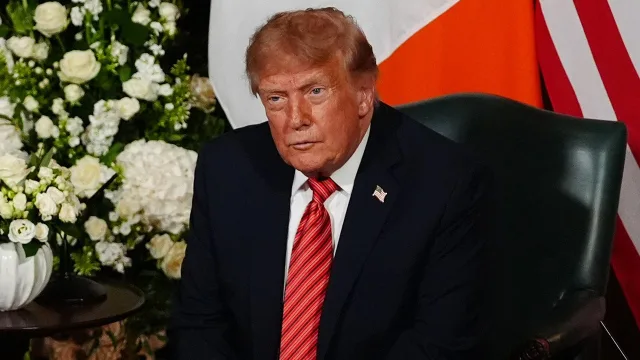
The U.S. has maintained a cautious stance, with President Donald Trump stating that the Houthis “don’t want to fight with us” and focusing on Saudi Arabia as their primary target. The Biden administration has offered intelligence sharing but no direct military intervention, while the UK is reportedly considering diplomatic and operational support for Riyadh. The U.S. also issued a travel advisory warning government employees against traveling near the Yemen border.
Iran’s top diplomat, Abbas Araghchi, was in China during the crisis, where discussions reportedly centered on the conflict and shipping disruptions. Chinese President Xi Jinping reiterated offers of mediation at the BRICS summit, though no immediate resolution has emerged. Meanwhile, the Houthis continue to assert their territorial gains, with their military spokesperson claiming 450 airstrikes by Saudi warplanes this week.
Frequently Asked Questions
What is the significance of the "red line" declared by Saudi Arabia?
Saudi Arabia’s declaration of holy sites as a "red line" underscores the critical importance of Mecca’s security, following a 2017 missile attack by the Houthis. While the coalition has previously warned of consequences for attacks on religious sites, the interception of the drone represents the first direct challenge to this policy since the 2017 incident.
How has the East-West Pipeline attack affected global oil markets?
The shutdown of the East-West Pipeline, a key export route for Saudi oil, risks cutting up to 4% of global oil supply if prolonged. This disruption has contributed to sustained high oil prices above $100 per barrel, with traders warning of potential volatility. U.S. Energy Secretary Chris Wright has indicated that the pipeline could resume operations within days.
Why hasn't the U.S. provided military support to Saudi Arabia?
The U.S. has opted for a cautious approach, focusing on intelligence sharing rather than direct military intervention. President Donald Trump has stated that the Houthis “don’t want to fight with us,” while the Biden administration has emphasized diplomacy. Regional alliances, such as the Mecca defense pact, remain unactivated, with Turkey and Pakistan citing incomplete institutionalization as a barrier to action.
The coming days will test whether the Saudi-led coalition’s “red line” rhetoric translates into concrete actions against the Houthis. Meanwhile, the unresolved status of the East-West Pipeline and the broader regional tensions underscore the fragile balance of power in the Middle East. As the conflict evolves, the international community remains divided on how to address the humanitarian and economic fallout, with no clear path to de-escalation in sight.
Dateline Wire is dedicated to independent, evidence-backed reporting. This briefing was synthesized from primary source reporting, corroborated across independent newsrooms, and verified against our Editorial Standards.