Saudi Arabia calls alleged Mecca attack a red line as Houthis deny invol…
Saudi Arabia has accused the Houthis of attempting a drone attack on Mecca and declared the holy city a red line, though the group denies involvement.
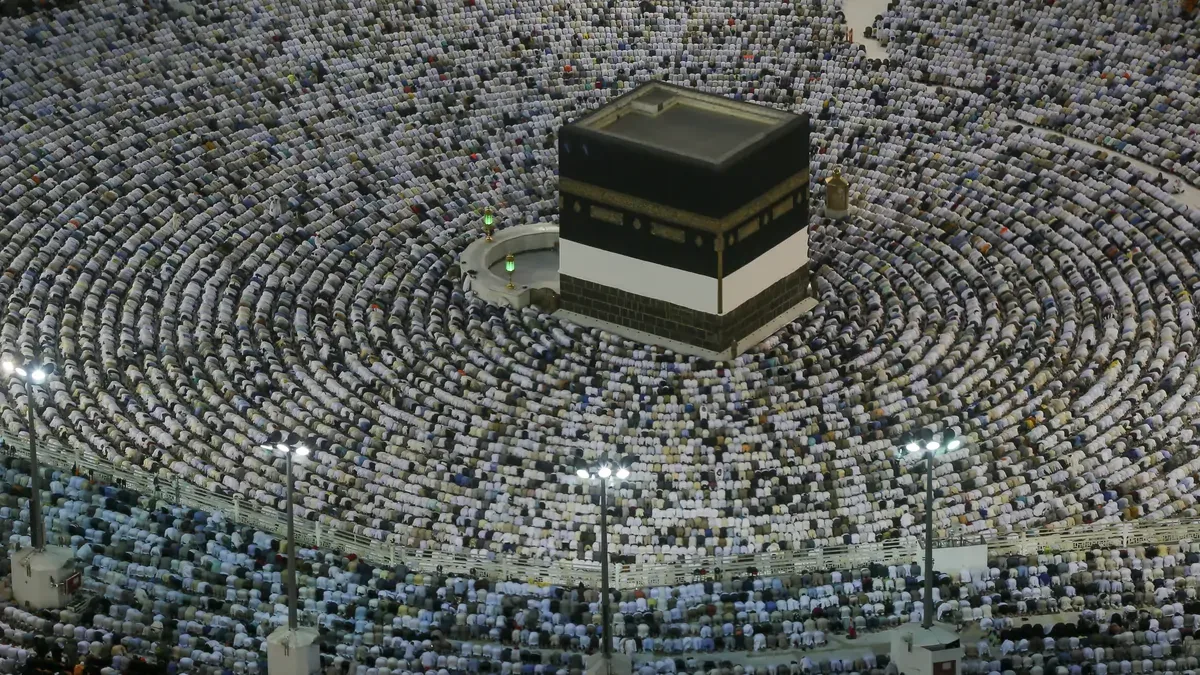
Saudi Arabia has escalated its confrontation with Yemen’s Iran-backed Houthi rebels, accusing them of attempting to attack Mecca, the holiest site in Islam, and declaring the city a “red line” in the broader Iran conflict. The Houthis, however, have categorically denied involvement, while regional and international actors grapple with the implications of the latest escalation.
Saudi Accuses Houthis of Mecca Attack, Denies Military Support
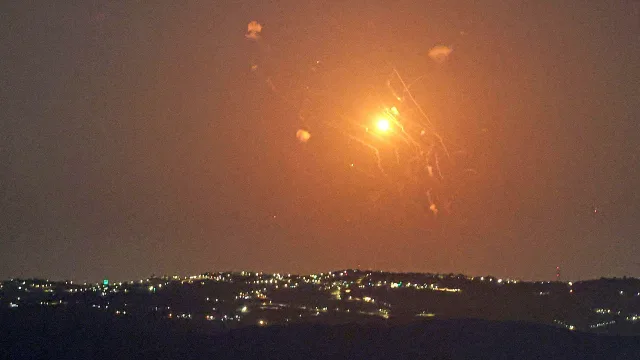
Saudi Arabia’s government stated that an unmanned aerial vehicle (UAV) was intercepted and destroyed before it could enter the airspace over Mecca, which lies approximately 1,100 kilometers from Yemen’s border. The kingdom’s military coalition, led by Saudi Arabia, described the incident as the second attempted attack on the holy city by the Houthis, following a ballistic missile strike in 2017. Col. Turki al-Maliki, a spokesperson for the coalition, emphasized the “sanctity of holy sites” and called for global condemnation of the alleged assault.
The Houthis, however, denied launching any drones toward Mecca. In a statement, they claimed to have shot down an F-15 fighter jet operated by the Saudi-led coalition over Yemen’s central Marib province, though they provided no timeline or verifiable evidence for the claim. The Associated Press noted that the assertion could not be independently confirmed.
Despite the accusations, no immediate military support has materialized from Saudi Arabia’s allies. A new defense pact with Turkey and Pakistan, announced earlier this year, remains unactivated. Officials from both countries told the Associated Press that Riyadh has not formally requested assistance in response to the Houthis’ alleged escalation. A Turkish official stated that the alliance’s operational framework is still under development, while Pakistani Prime Minister Shehbaz Sharif condemned the attack, vowing to stand “shoulder to shoulder” with Saudi Arabia.
| Detail | Information |
|---|---|
| Attack on Mecca | Alleged drone attempt intercepted by Saudi forces; Houthis deny involvement. |
| Previous Houthi Attacks | Second reported attempt on Mecca; a ballistic missile was fired in 2017. |
| Defense Pact with Turkey and Pakistan | Unactivated; no formal request for support from Saudi Arabia. |
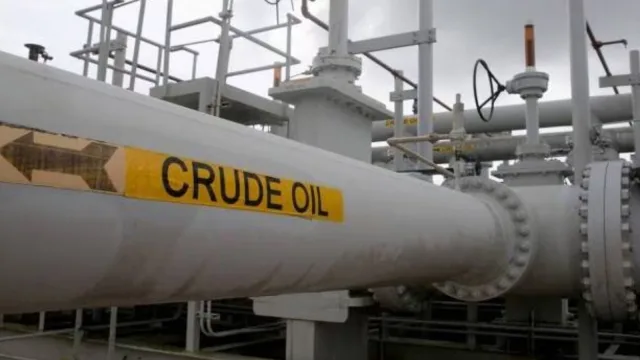
| Pipeline Shutdown | Critical Saudi pipeline shut for weeks after an attack; impact on global oil supply. |
| Oil Prices | Remain above $100 per barrel amid regional instability. |
Regional and Global Reactions
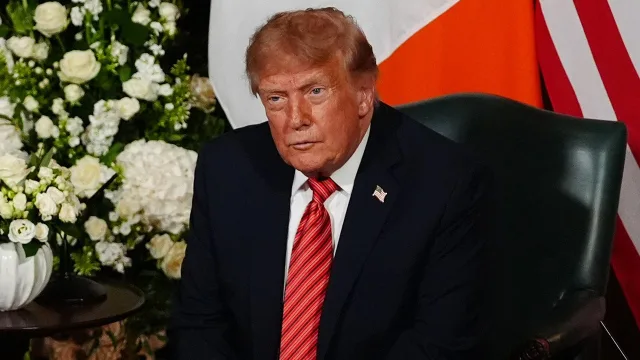
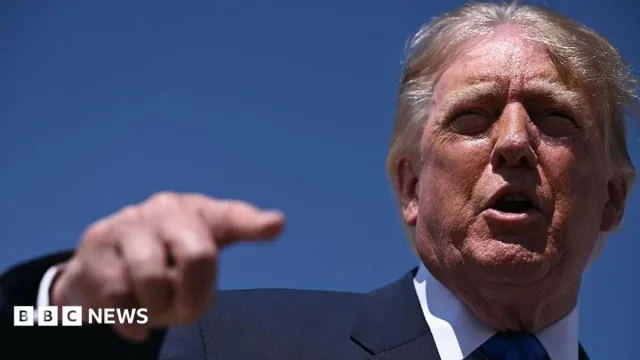
The Organization of Islamic Cooperation (OIC), representing 57 Muslim-majority nations, condemned the alleged attack, calling it a violation of the “sanctity of holy sites.” Pakistan and other regional actors joined the criticism, while the United States signaled reluctance to intervene directly. U.S. President Donald Trump stated that the Houthis have “not wanted to fight with us,” suggesting the rebels’ focus remains on Saudi Arabia rather than U.S. interests. Vice President J.D. Vance added that Washington is maintaining “constant contact” with both Riyadh and the Houthis, though no concrete steps toward mediation or military action have been outlined.
The incident coincides with broader regional tensions. The Houthis have intensified attacks on Saudi infrastructure, including a recent strike on a military airbase in Khamis Mushait, which they claimed as retaliation for Saudi airstrikes on Yemen. Meanwhile, Iran continues to target ships in the Strait of Hormuz, a critical oil shipping lane, while the Houthis have seized islands in the Bab el-Mandeb Strait, further complicating maritime trade routes.
China, a major buyer of Iranian oil, has called for restraint in the conflict. Iranian Foreign Minister Abbas Araghchi was in Beijing during the crisis, with discussions reportedly focusing on the regional conflict and shipping in the Strait of Hormuz. Chinese President Xi Jinping reiterated Beijing’s willingness to mediate, as part of broader diplomatic efforts at the BRICS summit in New Delhi.
Energy Crisis and Economic Impact
The alleged attack on Mecca has compounded existing energy market volatility. A key Saudi pipeline, which bypasses the Strait of Hormuz, was temporarily shut down after a reported drone strike, potentially cutting global oil supply by up to 4%. Crude prices surged over 3% in response, with the average retail price of diesel in the U.S. hitting a record high above $6.23 per gallon.
The situation has also disrupted shipping in the Strait of Hormuz, where commodity vessel transits fell to single digits per day, according to preliminary data. Iran has issued a list of 77 ships it claims have violated its protocols for operating in the strait, threatening “restrictions on future passages, including fines, detention, or confiscation.” The U.S. has maintained a naval presence in the region to monitor the situation, though its role remains limited.
Regional powers are also navigating the fallout. Oman, which had planned to host a meeting with Iran and Gulf states to address the crisis, postponed the talks “in the interests of consensus.” Iran attributed the delay to Saudi Arabia’s pressure, though no official confirmation has been provided.
Frequently Asked Questions
What is the significance of Mecca being declared a “red line” by Saudi Arabia?
Saudi Arabia’s declaration of Mecca as a “red line” underscores the kingdom’s determination to protect its religious and strategic interests. The move signals a heightened regional conflict with the Houthis, who are backed by Iran, and could escalate tensions in the Middle East.
Why has the defense pact with Turkey and Pakistan not been activated?
The pact remains unactivated because Saudi Arabia has not formally requested military support from Turkey or Pakistan. Officials from both countries stated that the alliance’s operational framework is still under development, and no immediate action has been taken despite the Houthis’ alleged escalation.
What is the current status of the Saudi pipeline shutdown?
A critical Saudi pipeline, which bypasses the Strait of Hormuz, was shut down for weeks following a reported attack. The closure has disrupted oil flows, with estimates suggesting it could cut global supply by up to 4% if not reopened soon. The exact cause of the shutdown remains unclear, though the Houthis have claimed responsibility for attacks on Saudi infrastructure.
The situation remains fluid, with the Houthis continuing to assert their military capabilities while Saudi Arabia and its allies seek to stabilize the region. As oil markets and diplomatic efforts navigate the crisis, the next steps will likely depend on whether the Houthis’ actions provoke a broader regional response or if diplomatic channels can mitigate the escalating tensions.
Dateline Wire is dedicated to independent, evidence-backed reporting. This briefing was synthesized from primary source reporting, corroborated across independent newsrooms, and verified against our Editorial Standards.