US orders non-essential embassy staff to leave Saudi Arabia
The United States has ordered the departure of non-essential diplomats and government families from Saudi Arabia following a wave of Houthi rebel strikes.
- Headline: US orders non-essential embassy staff to leave Saudi Arabia
- Dispatch Summary: The United States has ordered the departure of non-essential diplomats and government families from Saudi Arabia following a wave of Houthi rebel strikes.
- Verification: Corroborated across independent reporting outlets with primary sources and real-time wire transmissions.
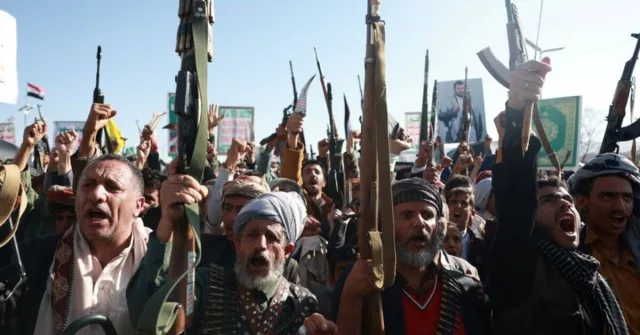
The United States State Department has ordered some diplomats and the families of U.S. government employees to leave Saudi Arabia. The decision comes in response to a series of deadly attacks in the country by Yemen’s Iran-backed Houthi rebels and rising fears of an escalation in hostilities.
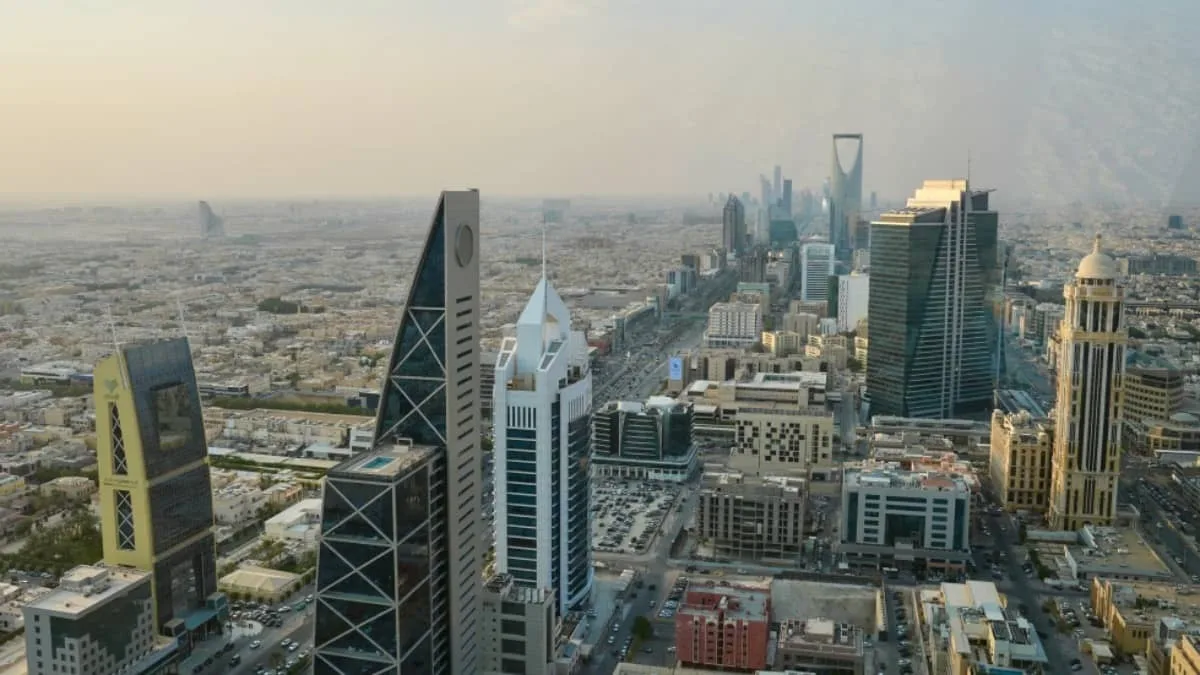
The department said Wednesday it had ordered the departure of non-essential staff at the U.S. Embassy in Riyadh and its satellite consulates. The embassy had been badly damaged at the start of the Iran war and had been operating with only a skeleton staff for months, although some diplomats had returned in recent months.
Why are U.S. diplomats leaving Saudi Arabia now?
The immediate catalyst for the departure order is a wave of Houthi strikes that have targeted civilian airports and other critical infrastructure, resulting in civilian casualties and severe travel disruptions. On Wednesday, an attack on King Fahd International Airport in Dammam killed one person and injured eight others, with injuries ranging from minor to serious according to Saudi Arabia's civil aviation authority. Global flight-tracking service Flightradar24 reported that flights had been diverted away from the airport.
Hours later, the Saudi Energy Ministry said that falling debris from the successful interception of a drone targeting the Shaybah oil field in the country's southeast killed two people and injured two others. The ministry identified the deceased as a Filipino and a Nepali national. The Saudi-led coalition operating in Yemen said the group had fired five drones toward Saudi Arabia early Wednesday, and reported intercepting six drones earlier on Wednesday.
That leaves the administration facing a volatile security climate where commercial aviation has already been severely disrupted. Riyadh's King Khalid International Airport has faced multiple strikes, and had been closed since Oct. 10 following a severe attack. Although aircraft from a limited number of Saudi airlines took off and landed at the airport on Wednesday after aviation authorities notified airlines that they could resume operations with prior permission, major carriers like Lufthansa and Air France have canceled flights to Riyadh through mid-November.
Who else is affected by the regional drawdown?
While official U.S. statements maintain that the formal departure order applies only to Saudi Arabia, diplomatic sources and news agency reports indicate a wider pullback across the Gulf. Four U.S. officials told Reuters that U.S. missions in other Gulf states would also be ordering family members to leave, and a diplomatic source told AFP that some families of U.S. embassy staff were also being withdrawn from the United Arab Emirates, Jordan, Qatar, and Bahrain. However, State Department spokesman Tommy Pigott clarified that the formal departure order announced on Wednesday applied only to non-emergency embassy staff and their families in Saudi Arabia, though those embassies are already under "restricted operations" that limit the number of personnel working there.
| Location | Official U.S. Status | Reported Actions |
|---|---|---|
| Saudi Arabia | Formal departure order for non-essential staff and families | Embassy operating with skeleton staff; airport and oil field strikes |
| United Arab Emirates | Restricted operations | Diplomatic sources report family withdrawals |
| Jordan | Restricted operations | Diplomatic sources report family withdrawals |
| Qatar | Restricted operations | Diplomatic sources report family withdrawals |
| Bahrain | Restricted operations | Diplomatic sources report family withdrawals |
Last Friday the Australian government raised its travel advice for Saudia Arabia to do not travel
, due to the volatile security situation
in the country. Meanwhile, Iranian state media reported late Wednesday the sound of explosions in the southern Hormozgan province overlooking the Strait of Hormuz, breaking a spell of relative calm.
What is the connection to renewed threats against Iran?
The diplomatic evacuation coincides with heightened preparations for a potential return to open conflict between the United States and Iran following the U.S. midterm elections. The New York Times reported that the U.S. and Israel developed plans for a short but intensive operation
, after defense secretary Peter Hegseth travelled to Israel earlier this week for meetings with prime minister Benjamin Netanyahu.
Last week Trump said the US was looking to knock out Iran’s Pickaxe Mountain, a site linked to the country’s nuclear program, however the president has publicly said that he does not intend to restart the war before the 3 November elections. NBC reported that the US military has been quietly scaling back its presence at bases across the Middle East in recent days, however a spokesperson from US central command told the US outlet that service members are regularly moved to optimize mission readiness
.
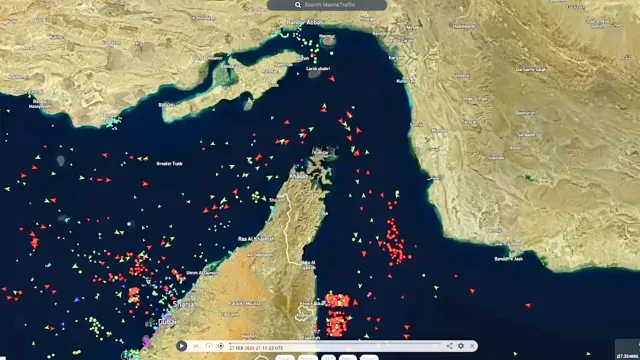
That buildup recalls the posture adopted prior to the late February outbreak of hostilities, when the U.S. and Israel launched attacks on Iran, killing the country's supreme leader, along with senior military commanders. Iran has attempted to blockade the Strait of Hormuz, demanding all ships seek its authorisation to cross. In peacetime, the strategic waterway carried around a fifth of the world's oil supplies. In retaliation, the US has imposed a counter-blockade on Iranian ports and ships.
What happens next in the escalating conflict?
With commercial flights canceled by major European carriers through mid-November and travel alerts advising against movement in the kingdom, travelers and residents face sustained disruptions. The immediate focus turns to domestic and regional security measures as the November 3 elections approach, alongside any formal military announcements regarding Iran's nuclear facilities or Houthi missile launch sites.