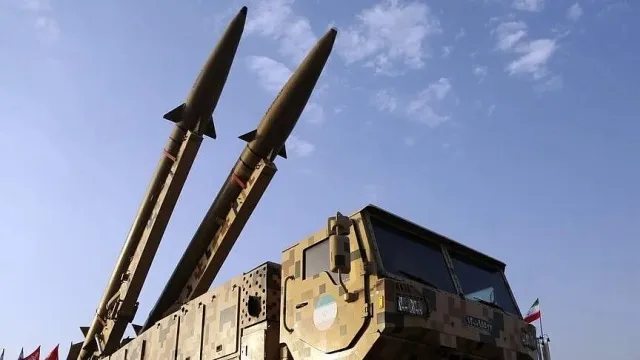
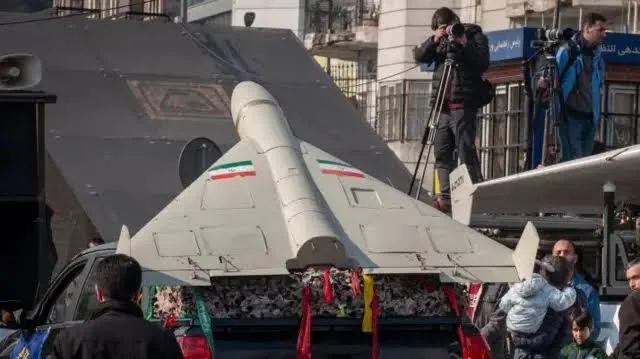
Iran vows to use all available means to counter US naval blockade
Iran has warned it will utilize all available resources to counter the U.S.-led naval blockade of its oil exports, citing the UN Charter and threatening further escalation in the Persian Gulf.
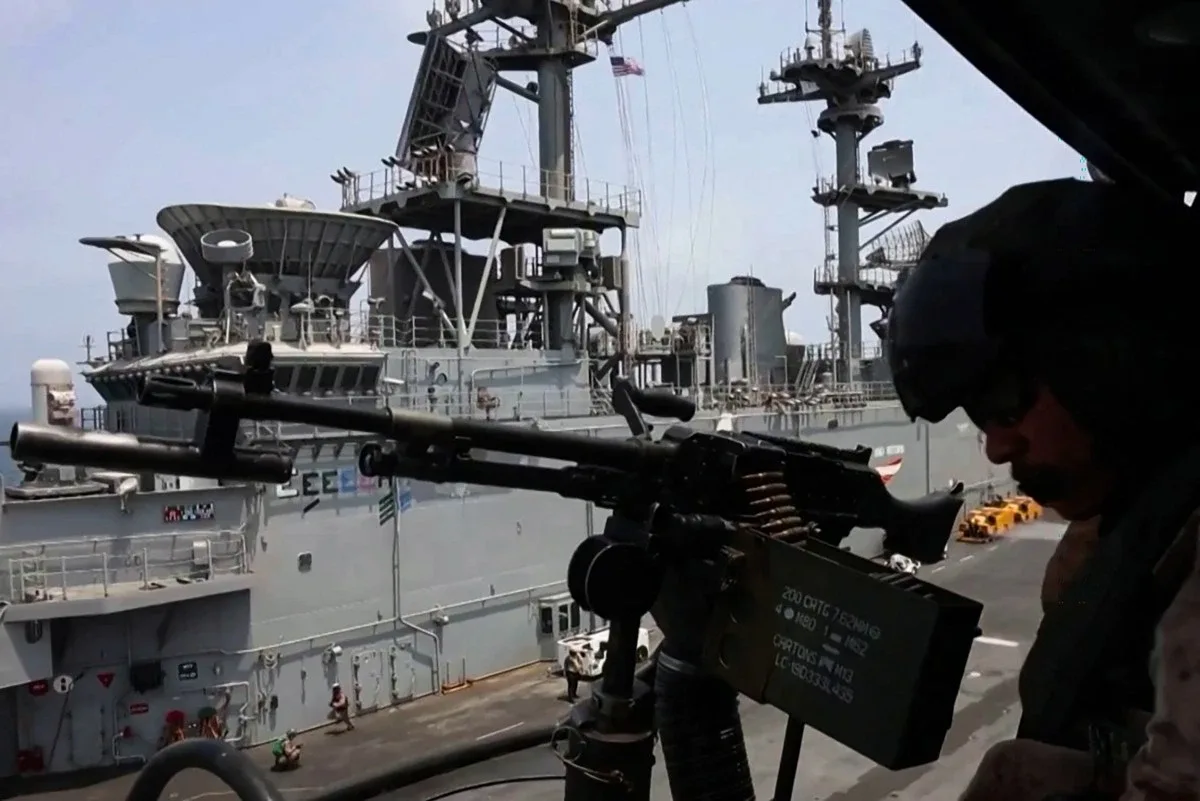
For ordinary readers, the escalating tension in the Persian Gulf signals a heightened risk to global energy stability as Iran formally declares it will move beyond diplomatic channels to break the U.S.-led naval blockade. For those watching the price of crude or the safety of maritime trade, the window for a negotiated resolution appears to be narrowing, as Tehran characterizes the ongoing U.S. enforcement actions as an act of military aggression rather than routine sanctions.
During a weekly news conference in Tehran on Monday, Foreign Ministry spokesperson Esmaeil Baghaei issued a stern warning, stating that Iran would utilize all available resources to confront the U.S. naval blockade of its oil exports. The blockade, first imposed on April 13, was temporarily lifted in June following a draft understanding between the two nations, but was restored on July 14 after that agreement collapsed. Baghaei explicitly invoked Article 51 of the United Nations Charter, arguing that the blockade constitutes a form of military aggression that entitles Iran to use any necessary means to defend its sovereignty and trade rights.
What are the specific conditions for reopening the Strait of Hormuz?
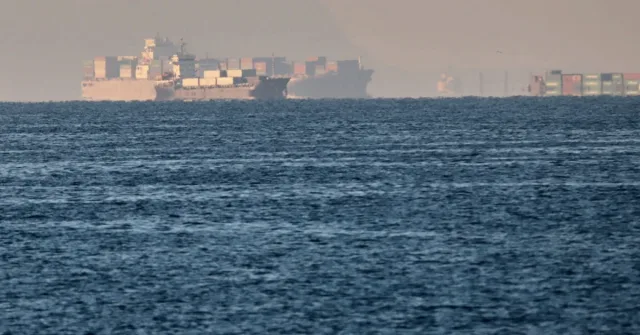
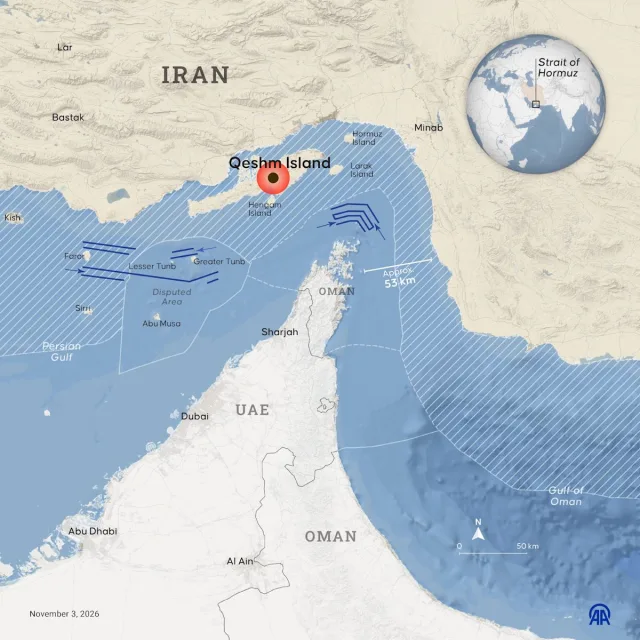
Iran maintains that the current paralysis of the Strait of Hormuz is a direct consequence of U.S. actions. Tehran has consistently signaled that it could reopen the waterway within two days if Washington adheres to specific conditions, including an end to hostilities, the lifting of the blockade, and sanctions relief. These conditions have brought Iranian crude exports to near-zero levels in recent months. According to Baghaei, the restoration of regional security is possible in the shortest time possible if the American side fulfills these commitments.
The blockade has effectively choked the lifeline of the Iranian economy, as more than 80 percent of the country’s imports and exports typically transit through the Strait of Hormuz or southern ports. While the U.S. has established a task force to disrupt not only maritime traffic but also land routes into Iran, the Iranian government maintains that it remains the ultimate authority on its own domestic policy. No decision regarding Iran will be made anywhere outside Tehran,
Baghaei asserted, dismissing questions regarding the influence of the recent U.S.-Russia-China summit in Shenzhen.
How is the blockade affecting actual oil exports?
The efficacy of the U.S. blockade remains a point of intense focus, even as official Iranian statements remain dismissive of reports regarding potential breakthroughs. While official figures indicate that visible Iranian crude exports have fallen to near zero in recent months, recent tracking data has stirred speculation about clandestine activity. TankerTrackers.com reported last week that a vessel was loading Iranian crude oil in the Gulf via a ship-to-ship transfer. If successful, this would represent the first such export since the July reinstatement of the blockade.
Tehran, however, officially categorized these reports as speculative. Baghaei stated that while Iran is actively examining defensive, political, and diplomatic measures to counter the blockade, specific executive steps are being implemented only when deemed appropriate by the country’s leadership. Meanwhile, the region has seen reports of ships catching fire while attempting to traverse routes that Iranian forces have declared off-limits, adding a volatile layer of uncertainty to the maritime environment. The U.S. has expanded its enforcement measures as recently as last week to target vessels receiving cargo through these ship-to-ship transfers.
What does this mean for the future of the war?
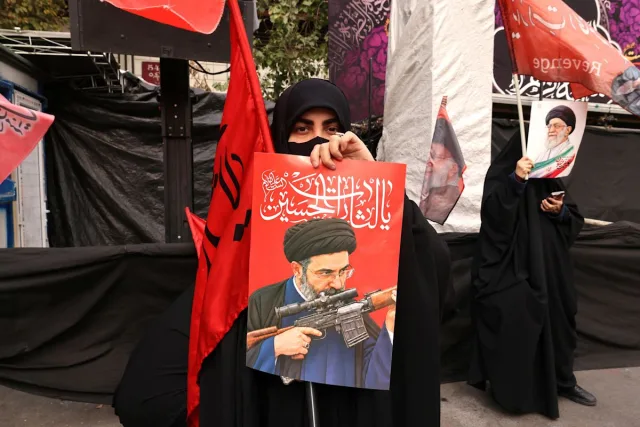
The current standoff is an extension of the broader conflict that erupted on February 28, when U.S.-Israeli air strikes killed Iranian Supreme Leader Ali Khamenei and other senior officials. That event ignited a cycle of retaliation, including missile and drone attacks from Iran and its regional proxies in Lebanon, Yemen, and Iraq. The Strait of Hormuz has since become the focal point of a war that shows few signs of de-escalation, despite stalled mediation efforts by countries such as Qatar and Pakistan.
U.S. President Donald Trump has issued warnings that any Iranian ships attempting to test the blockade will be sunk, and that further strikes could resume after the New Year. In response to these warnings, and to comments by U.S. Treasury Secretary Scott Bessent—who reportedly compared Iran to a "wounded animal"—Baghaei offered a defiant rebuttal. Yes, we are certainly wounded. You cannot expect a lion that has shown its claws and teeth against hyenas not to be wounded,
the spokesperson said. As the U.S. maintains its task force and Iran vows to use all available tools to break the siege, those monitoring the region should watch for any increase in incidents involving maritime vessels in the Gulf, as these occurrences are often the first sign of a shift in the status quo.