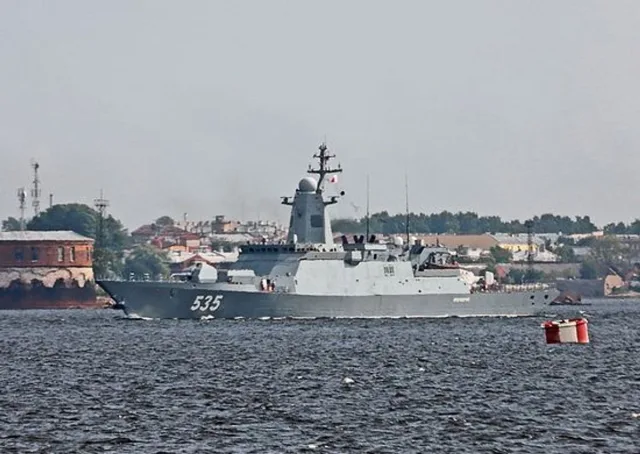
Ukrainian drones hit a Russian warship at a naval base in Libya, Zelensk…
Ukrainian sea drones launched a surprise raid 2,400 kilometers from the front line, sinking a Russian navy corvette at a naval base in Libya.
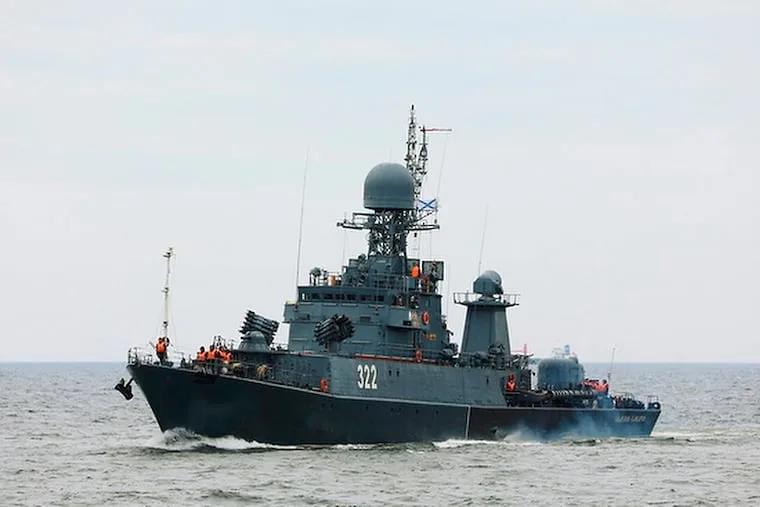
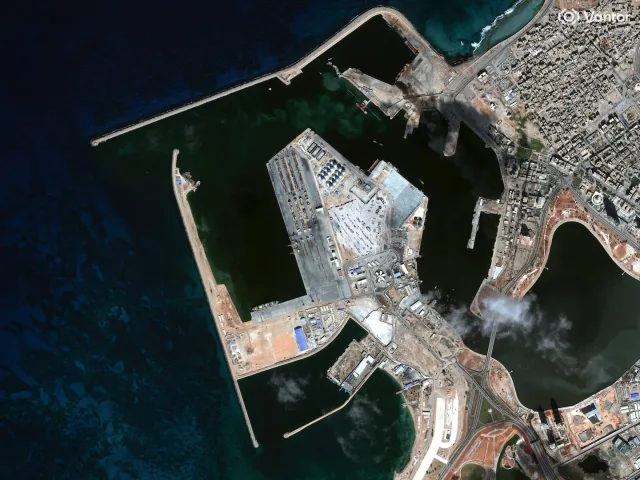
Ukrainian sea drones sank a Russian navy corvette and struck a weapons-carrying cargo ship in a surprise raid at a naval base in Benghazi, Libya, according to President Volodymyr Zelenskyy. That daring operation took place 2,400 kilometers away from the front line in Ukraine, underscoring Kyiv's expanding reach far beyond the Black Sea.
The strike on Sunday crippled the Merkury, one of Russia's newest warships, commissioned just a year after Moscow launched its full-scale invasion in 2022. While Ukrainian forces have repeatedly stunned Moscow with asymmetric tactics closer to home — such as Operation Spiderweb last year, which used truck-launched drones to hit over 40 aircraft parked at Russian air bases — this Mediterranean operation demonstrates that Russian naval logistics possess no sanctuary.
How did the drone raid unfold in Libyan waters?
Ukraine deployed seven domestically made sea drones in the operation, delivered to a designated location and launched from a mothership near the target, according to Ukraine's Security Service, or SBU. The SBU described the assault as a unique operation in which Russian defenses attempted to hit the incoming drones from air, sea, and land.
Two of the drones struck the Russian corvette Merkury at the Benghazi Naval Base, while at least four other drones were intercepted and destroyed, two Libyan military officials told The Associated Press. A multipurpose Ka-27 military helicopter aboard the corvette went down with the ship, and a second Russian vessel, the dry cargo ship MV Angara, was also hit.
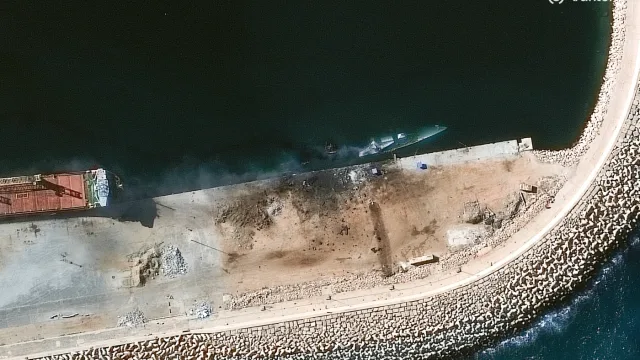
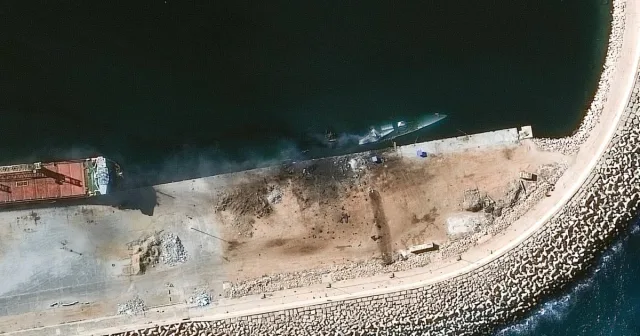
Ambrey, a U.K.-based maritime security and risk intelligence firm, noted that secondary explosions at the base were likely caused by the detonation of ammunition stored on the warship. Satellite imagery collected by US-based intelligence firm Vantor and analyzed alongside BBC Verify footage showed the vessel ablaze on Sunday morning, and later capsized and mostly submerged with only its forward bow visible.
That level of precision against a heavily guarded military asset shows how far uncrewed naval warfare has evolved. It leaves Moscow's naval planners scrambling to protect auxiliary vessels that previously operated under the assumption that distance equaled safety.
What are Libya's rival governments and Russia saying?
The strike has deeply fractured the political landscape in Libya, a country divided since the 2011 overthrow of dictator Muammar Gaddafi between a U.N.-supported administration in the west and a rival government in the east. The targeted warship had docked at Benghazi to refuel and take on supplies as part of a cooperation agreement between Moscow and the eastern-based government, which is allied with Khalifa Haftar and the Libyan National Army.
The eastern-based Government of National Stability sent a letter to U.N. Secretary-General António Guterres and the U.N. Security Council demanding an international investigation. They called the attack a violation of sovereignty and maritime safety, noting that at least 10 people, including Libyan and Russian nationals, were wounded. Jalel Harchaoui told the BBC that Haftar will likely take the breach as a personal slight that demands an accounting of who hosted the Ukrainian operatives.
Meanwhile, the internationally recognized Government of National Unity in Tripoli warned against letting foreign powers drag civilian ports into external conflicts. The United Nations Support Mission in Libya echoed those concerns, expressing serious concern and stating that Libya cannot afford, and must not become a battleground for foreign conflicts.
In Moscow, the Kremlin took a sharp tone. Kremlin spokesman Dmitry Peskov called the expansion of such attacks a dangerous trend that is, of course, leading to an escalation of tensions in the region.
While Peskov deferred specific operational details on Libya to the Russian Ministry of Defence, the diplomatic fallout is already rippling through North Africa and European capitals alike.
Why was Ukraine operating out of North Africa?
The Benghazi raid was not an isolated incident in the Mediterranean. Libyan officials revealed that Ukrainian forces, primarily drone experts, have been operating in western Libya under a covert deal endorsed by the West. Those operatives have maintained a presence at an air base in Misrata, as well as military facilities in Tripoli and Zawiya.
In March, forces utilizing that same covert arrangement launched uncrewed sea drones that struck a Russian tanker in the Mediterranean near Maltese waters. Analysts point out that these Mediterranean strikes do more than disrupt Moscow's military supply lines; they strike at the prestige of the Kremlin by proving that its shadow fleet and naval escorts cannot hide in friendly foreign ports.
That covert footprint makes western Libyan authorities deeply uncomfortable, fearing retaliatory entanglements. Yet for Kyiv, the strategic calculus is clear: trading high-end drone technology for long-range disruption forces Russia to divert precious resources to protect supply routes thousands of miles from the Ukrainian mainland.
How has the wider war responded on the ground?
Even as the Mediterranean operation unfolded, the brutal conventional war inside Ukraine continued unabated. Just as Zelenskyy hailed the Benghazi strike as an exemplary operation in a live video address to the NATO Parliamentary Assembly in Berlin, Russian strategic bombing campaigns pressed their winter assault on Ukrainian infrastructure.
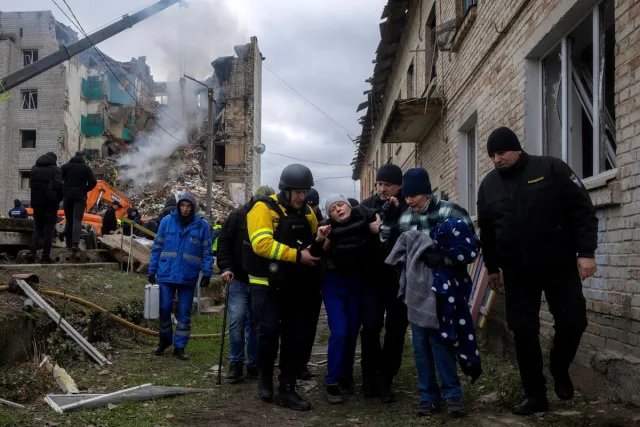
Regional police reported that a Russian strike on a five-story apartment block in a village near Kyiv killed 11 people on Monday. Emergency services pulled a 7-year-old child and a 79-year-old woman alive from the rubble following the Sunday morning attack. Separately, in the eastern Gulf of Finland, another Russian cargo ship, the Sparta II, was set on fire by a suspected drone attack on Saturday, prompting the evacuation of all 16 crew members.
That simultaneous drumbeat of long-range maritime sabotage and domestic bombardment illustrates a war without geographic boundaries. Ukraine is betting that expanding the battlefield will eventually break Russia's logistical will, even as its citizens absorb relentless blows at home.
As the U.N. Security Council weighs calls for an independent inquiry into the use of Libyan territory, attention turns to whether Haftar's administration will retaliate against Western-backed elements in Tripoli, and how Moscow intends to secure its remaining supply vessels operating outside the Black Sea.