Zelenskyy Confirms Ukraine Drones Sank Russian Warship Off Libya
Ukrainian naval drones have struck the Benghazi Naval Base in Libya, sinking a Russian corvette and destroying a military helicopter in a dramatic Mediterranean raid.
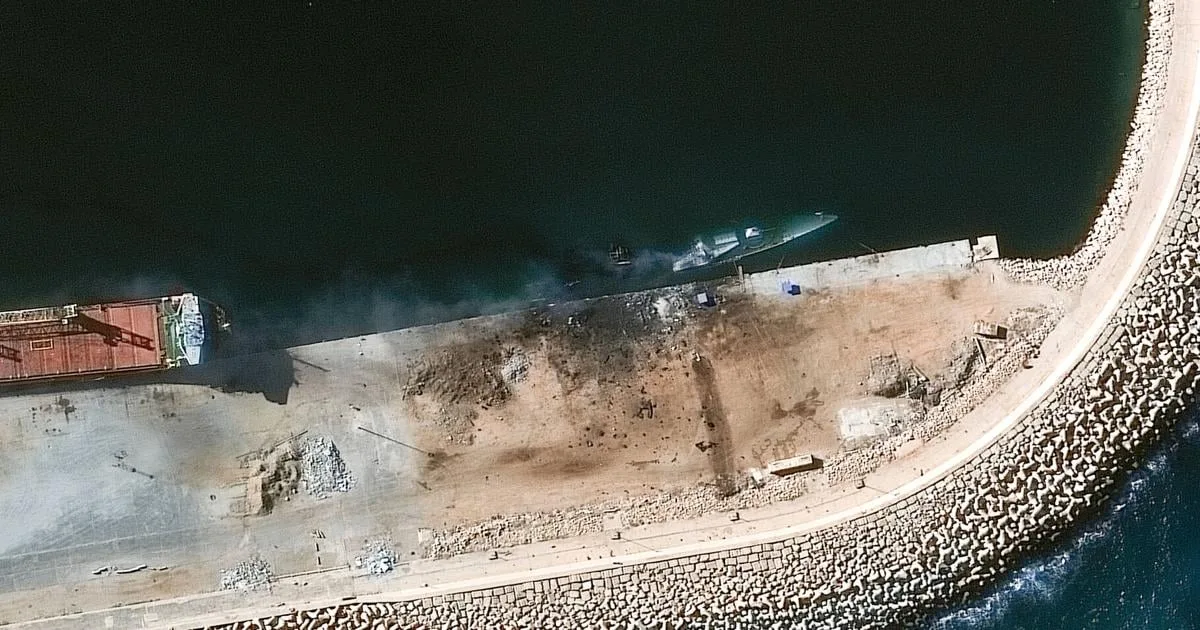
Explosions lit up the Benghazi Naval Base in eastern Libya on Sunday as seven Ukrainian-made naval drones slipped into the harbor and crippled Moscow's naval presence in North Africa. Ukrainian President Volodymyr Zelenskyy confirmed on Monday that his country's forces carried out the raid, which sank a Russian corvette and destroyed a military helicopter thousands of miles from the front lines of the war.
The operation marks a dramatic expansion of Kyiv's maritime strike range, bringing the conflict directly into Mediterranean waters utilized by the Russian military. For the fragmented North African state caught in the crossfire, the drone attack threatens to drag local ports into great-power friction and has triggered immediate calls for international inquiries.
What Happened at Benghazi Naval Base and Who Was Hit?
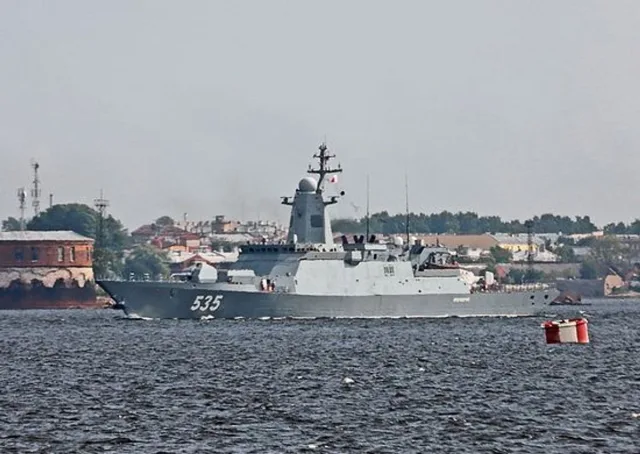
The Sunday night raid targeted two distinct Russian vessels docked at the Benghazi port under a cooperation agreement with Libya's eastern-based administration, where ships had stopped to refuel and take on supplies. According to Volodymyr Zelenskyy, Ukrainian forces deployed seven domestically produced naval drones in the operation. Despite enemy countermeasures, the explosive-laden sea drones struck the Russian navy corvette Merkury, causing it to capsize and sink with only its bow remaining visible above the water in satellite images provided by Vantor.
The Ukrainian leader described the fallen warship as one of Russia's newest vessels, commissioned in 2023 during the invasion. A Ka-27 military helicopter was also destroyed in the attack. The second target of the strike was the Russian dry cargo ship MV Angara, which Zelenskyy stated Moscow used to transport weapons. Civil defense teams rushed to the harbor after residents heard loud explosions and saw massive fires erupting along the waterfront.
- The Russian navy corvette Merkury, which sank at the Benghazi Naval Base.
- A Ka-27 military helicopter destroyed during the port attack.
- The Russian dry cargo ship MV Angara, which suffered damage.
Libya's eastern health ministry reported that all crew members were rescued and received medical treatment for minor injuries, with no fatalities reported from the base. The brazen strike demonstrates that Kyiv's asymmetric naval drone tactics can reach deep outside the Black Sea basin, exploiting distant logistics hubs that Moscow relies on for global operations.
Why Did Ukraine Strike in North Africa Now?
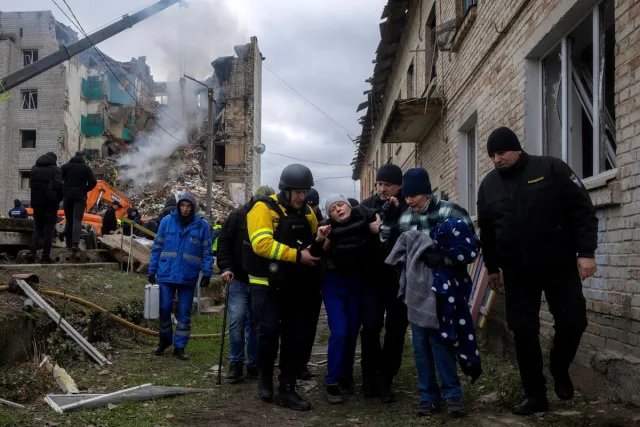
The attack is part of a broader strategy by Kyiv to hit Russian military assets, supply lines, and shadow fleets wherever they operate, retaliating against relentless bombardment at home. Just as Ukrainian forces faced punishing overnight airstrikes that flattened a residential building in the Ukrainian town of Dymer and struck energy infrastructure in Izmail, the SBU and defense forces executed the Benghazi raid to degrade Russian power projection abroad.
Zelenskyy hailed the operation on X as an exemplary Ukrainian operation in response to Russia's war
and thanked the Security Service of Ukraine, known as the SBU, along with other participating defense forces. We continue our operations in designated waters. We are responding to Russia's aggression. We are developing Ukrainian weapons,
Zelenskyy wrote, adding that detailed briefings confirmed all set targets were achieved.
This Mediterranean strike follows a pattern of long-range maritime operations. In March, a Russian liquefied natural gas carrier sank off the Libyan coast after an attack that Vladimir Putin blamed on Ukraine. By targeting vessels like the MV Angara used for weapons transport and modern corvettes like the Merkury, Kyiv aims to disrupt the logistical backbone supporting Russian forces across multiple continents.
How Do the Rival Libyan Governments and the United Nations Respond?
The attack has alarmed Libyan authorities and international diplomats who fear the fractured nation is being pulled into external conflicts. Libya has remained split between two rival administrations since the 2011 NATO-backed uprising that toppled longtime dictator Muammar Gaddafi: an internationally recognized government in Tripoli and a rival administration located in the east.
| Authority | Official Position | Proposed Action |
|---|---|---|
| UN Support Mission in Libya (UNSMIL) | Expressed serious concern over sovereignty violations | Immediate, independent, and transparent investigation |
| Eastern-Based Government (Osama Hamad) | Stated Libya is not a party to the war | Formal UN inquiry into drone origins and Ukrainian experts |
| Tripoli Government | Alarmed by risks to civilian ports | Rejection of foreign military activities on Libyan soil |
The United Nations Support Mission in Libya issued a sharp warning following the incident. The United Nations Support Mission in Libya expresses its grave concern over the attacks carried out on Benghazi's seaport and off the city's coast on Sunday, and stresses that Libya's sovereignty, territorial integrity, and the security of its citizens and resources must be fully respected,
the mission wrote on social media, calling for an immediate, independent, and transparent investigation. Prime Minister Osama Hamad's eastern-based government submitted a formal request to the UN General Assembly and Security Council, demanding verification of whether the boats launched from western Libya and calling for formal explanations from Kyiv about the presence of Ukrainian experts.
What Are the Wider Stakes for European Security and Russian Logistics?
The expansion of drone warfare into Mediterranean ports signals that no Russian naval outpost is beyond Kyiv's reach, forcing Moscow to rethink the safety of its foreign supply routes. At the same time, the incident compounds tensions across Europe, where NATO eastern-flank airspace has repeatedly faced incursions from stray drones and missiles, and where Denmark recently thwarted an alleged Russian intelligence assassination plot against a Ukrainian rapper.
As international regulators warn of mounting nuclear safety risks in Ukraine due to relentless Russian strikes on energy grids, Kyiv's willingness to strike Russian assets in North Africa proves the war has no geographic containment. Moscow has yet to issue a comprehensive official reaction to the Benghazi sinking, leaving military analysts watching to see how the Kremlin defends its remaining warm-water logistics network.
Ukraine has shown it can project naval drone power thousands of miles from home, turning distant refueling stops into active combat zones regardless of local sovereignty protests.