Ukraine confirms responsibility for drone strikes on Russian ships in Libya
Ukraine has confirmed responsibility for a maritime drone strike in Libya that sank a Russian Navy corvette and damaged a cargo ship at the Benghazi naval base.
An exemplary Ukrainian operation in response to Russia’s war. I thank the warriors of the Security Service of Ukraine and all our Defense Forces of Ukraine who took part in carrying out these tasks,
Ukrainian President Volodymyr Zelenskyy posted on X on Monday. That public confirmation ended speculation about who launched the maritime drone assault in Libya, bringing the war directly to North African waters.
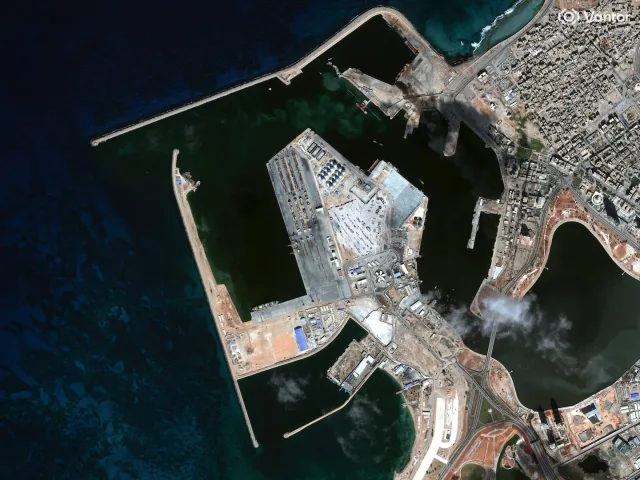
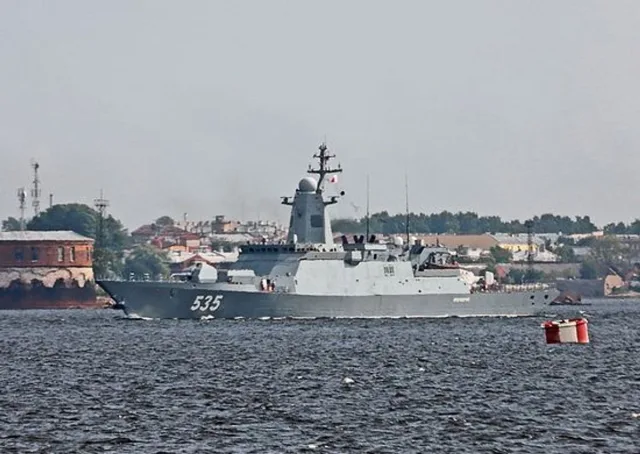
The operation unfolded on Sunday at the Benghazi naval base in eastern Libya, where Ukrainian forces deployed seven domestically made naval drones. Zelenskyy confirmed that the strike sank the Russian Navy corvette Merkury, a vessel commissioned in 2023. He also stated that a Ka-27 combat helicopter was destroyed in the attack. The second target, a Russian dry cargo ship named MV Angara that Zelenskyy said Moscow used to transport weapons, sustained damage. Satellite images showed the Merkury capsized and largely submerged, with only its bow visible above the water line.
That leaves the international community scrambling to respond to an escalation far from the traditional front lines. While Kyiv claims full ownership of the operation, the fallout spans deep security divisions within North Africa and urgent diplomatic demands from the United Nations.
What Remains Confirmed and Disputed Across International Outlets
The core facts of the attack are anchored in statements from Ukrainian leadership, satellite imagery, and local authorities in Libya. Zelenskyy stated that his forces deployed seven naval drones, executing a plan coordinated by the Security Service of Ukraine, known as the SBU. Libyan officials in the country's eastern administration confirmed that explosions rocked the Benghazi port early Sunday, forcing civil defense crews to rush to the naval base to extinguish fires. Officials in the east stated that the vessel was docked to refuel and resupply on its way back to Russia, operating under maritime cooperation agreements between Moscow and the eastern government.
Discrepancies emerged regarding the scope of the engagement. While reports noted that Libya Alhadath television reported that naval and air force units intercepted more than 12 explosive sea drones off the coast, official Ukrainian briefings focused strictly on the Merkury and the MV Angara. Medical sources in Libya reported no deaths, though there were injuries. Prime Minister Osama Hamad of Libya's eastern-based government submitted a formal request to the UN General Assembly and Security Council, demanding an international investigation into whether the boats were launched from western Libya and calling for verification of the presence of Ukrainian experts in the country.
The harder question is how a sovereign North African state can prevent foreign powers from turning its ports into battlegrounds.
Diplomatic Alarm and the United Nations Response
The international reaction was swift. The United Nations Support Mission in Libya, known as UNSMIL, issued a statement on X expressing grave concern over the seaport attacks and calling for an immediate, independent, and transparent investigation.
Libya cannot afford, and should not be allowed, to become an arena for external conflicts.
UNSMIL
UNSMIL warned all actors against disseminating unverified information or politicizing the incident, stressing that the country's sovereignty and territorial integrity must be respected. The mission argued that the strike shows the urgent need to accelerate efforts to unify Libya's national institutions. Libya remains divided between the government in Tripoli and a rival administration in the east.
The Tripoli-based government expressed alarm over the risks posed by involving civilian ports and facilities in external conflicts and rejected any use of Libyan territory for military activities. In contrast, the eastern administration announced it would launch an investigation while maintaining that Libya was not a party to the Russian-Ukrainian war. Russian authorities offered no immediate official reaction.
Broader Maritime Strains
The Benghazi raid follows other maritime incidents involving Russian vessels. A Russian cargo ship, the Sparta II, caught fire after a drone strike in international waters in the Baltic Sea, west of Russia's Gogland island. Finland's coast guard deployed vessels with water cannons to douse flames. The Finnish military stated that the Sparta II strike was likely carried out by Ukraine before the damaged vessel drifted into Finnish waters, where 16 crew members were evacuated safely to a nearby Russian ship.
What Affected Observers and Regional Observers Can Monitor
For diplomats, regional analysts, and shipping operators tracking Mediterranean security, the coming days require careful observation of several concrete indicators:
- Monitor filings at the UN Security Council to see if the eastern Libyan government's formal request for an international inquiry leads to a formal debate or a dispatched investigative team.
- Watch for official announcements from the joint investigative committee proposed by Libya's eastern administration and Russian representatives regarding the launch sites of the sea drones.
- Track bilateral statements between Kyiv and the rival administrations in Tripoli and Benghazi concerning the alleged presence of Ukrainian military experts in North Africa.
- Observe maritime traffic patterns around Benghazi port to determine whether insurance and shipping companies reroute cargo vessels following the damage to the MV Angara and the sinking of the Merkury.
The next definitive milestone will arrive when the United Nations Security Council formally reviews Prime Minister Osama Hamad's request for an independent probe, setting the stage for a diplomatic showdown over whether foreign drone warfare has permanently breached North Africa's maritime borders.