Trump warns Iran of unprecedented consequences over Washington bomb threat
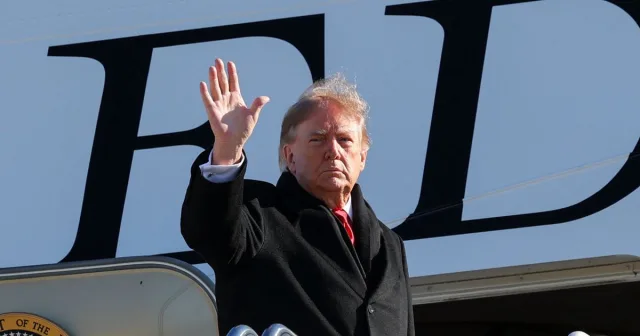
President Donald Trump warned Iran of unprecedented consequences if it carries out a suspected plot to detonate a dirty bomb or chemical weapon in Washington, D.C.
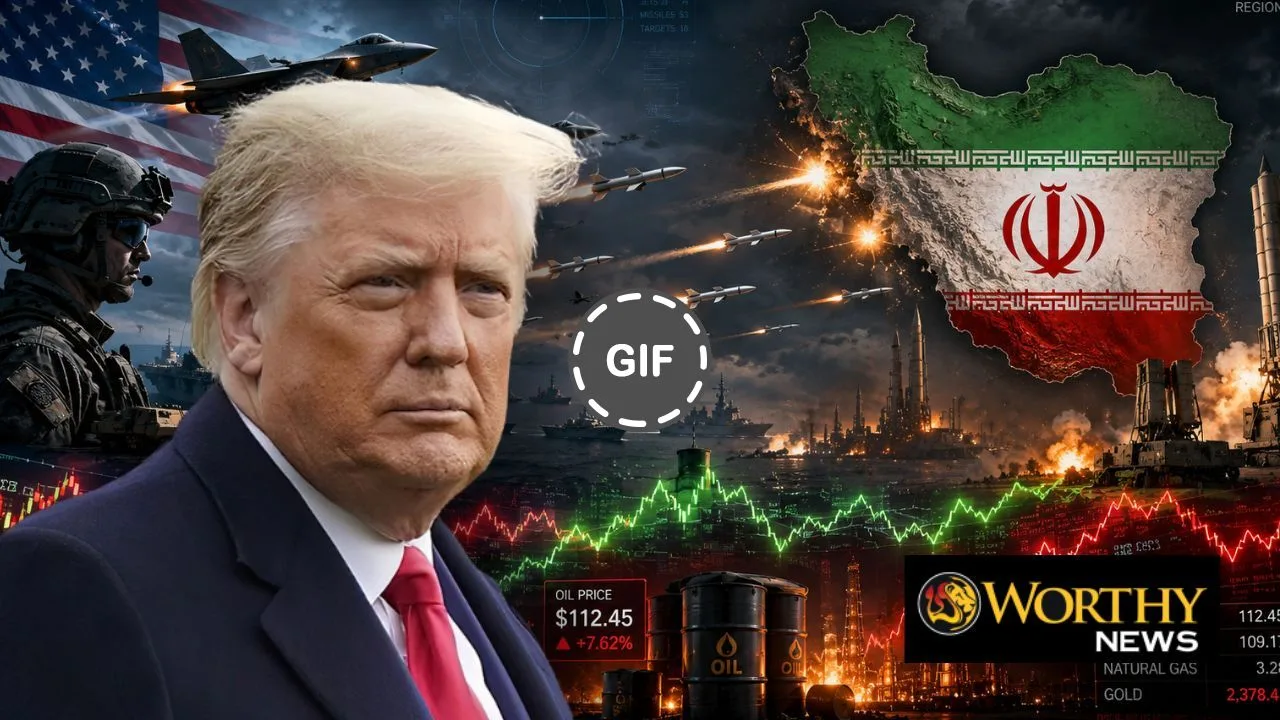
President Donald Trump issued a stern warning to Tehran on Tuesday, stating that Iran would face consequences the likes of which no country has ever paid before
if the nation carries out a suspected plot to detonate a dirty bomb or chemical weapon in Washington, D.C. The President’s remarks, delivered during an official visit to the Philippines, follow intelligence reports that indicate Iran has been developing specific plans to target senior members of his administration.
The President confirmed that U.S. authorities are investigating the intelligence but emphasized that the situation remains under assessment. I hope it’s not, but we take it very seriously because they happen to be crazy,
Trump said when asked about the imminence of such a threat.
Intelligence Reports and White House Stance
The warning follows an investigation by CNN, which cited seven anonymous U.S. officials familiar with classified intelligence. According to those reports, Iranian planning has identified specific locations and targets within the nation's capital. However, officials cited by both CNN and other outlets remain divided regarding the credibility of these claims and Tehran’s actual operational capability to execute such an attack. Two intelligence sources noted that the information suggests Tehran is maintaining a range of options rather than indicating that an attack is currently underway.
White House spokeswoman Lauren Bis addressed the reports, stating that the administration is monitoring any and all potential threats,
while maintaining that there are no credible threats to the homeland
at this time. The reported intelligence has nevertheless triggered emergency security discussions and contingency planning across the federal government. Consistent with these security concerns, reports indicate that Treasury Secretary Scott Bessent was moved to military housing last week due to threats linked to Iran.
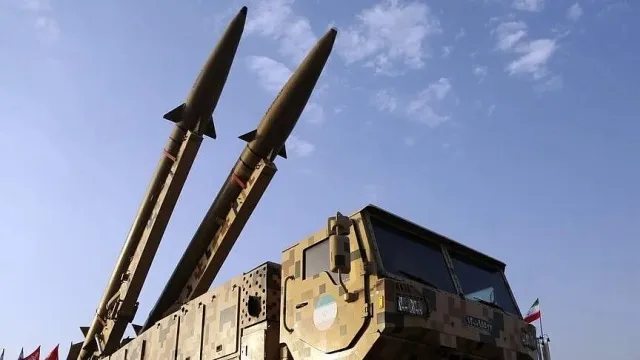
A dirty bomb, as defined by the CDC, is a device that combines conventional explosives with radioactive or chemical material. Unlike a nuclear weapon, its primary purpose is not mass destruction but rather the creation of widespread panic, the contamination of urban areas, and the forced implementation of costly, long-term decontamination operations.
Tehran’s Response and Regional Tensions
Iranian officials have categorically rejected the reports. Esmail Baghaei, spokesperson for the Iranian Foreign Ministry, labeled the allegations as fabricated
and baseless,
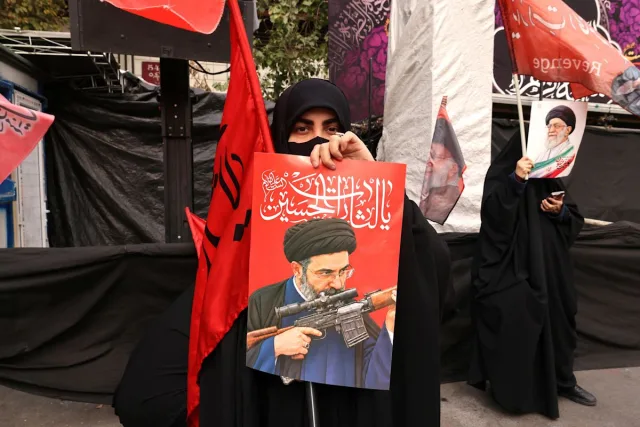
accusing the United States and Israel of manufacturing a media narrative to justify future aggression against Iran’s vital infrastructure. Writing on X, Baghaei stated: Step by step, they are attempting to manufacture a veneer of legitimacy for further aggression and atrocities.
The dispute over the alleged bomb plot comes amidst a broader, intensifying confrontation. On Tuesday, the Islamic Revolutionary Guard Corps (IRGC) claimed to have launched drone attacks against a U.S. radar system at the Sheikh Isa Air Base in Bahrain. While Iran justified the strike as a response to U.S. airspace violations, U.S. Central Command (CENTCOM) reported that air defenses intercepted the drones and confirmed there was no damage to American equipment or harm to personnel. These incidents occur as the United States bolsters its naval presence in the region with three aircraft carrier strike groups, while Iran continues to disrupt maritime traffic in the Strait of Hormuz.
The Stakes for Ongoing Diplomacy
The diplomatic path forward appears increasingly narrow. Negotiations to end the conflict between the United States and Iran remain stalled, and mediators are now warning that further escalation could carry global consequences. Majed al Ansari, a spokesperson for the Qatari Foreign Ministry, warned that the rising tension in the Gulf threatens freedom of navigation and the global economy. Similarly, in a public statement on X, Baghaei cautioned that silence in the face of what he described as a campaign to normalize violations of international legal norms would have devastating consequences, not merely for the region, but for humanity as a whole.
For those tracking the impact of these developments, the situation has already led to heightened security measures for government personnel and a significant increase in military vigilance in the Persian Gulf. Observers and citizens monitoring the situation can observe the following developments:
- The status of U.S. naval operations in the Strait of Hormuz and the Bahraini theater, where air defense systems remain in a state of high alert.
- Public communications from the White House regarding the credibility of domestic threats, as the administration maintains that no specific, credible threat currently exists to the U.S. mainland.
- The progress of diplomatic channels, specifically involving mediation efforts by Qatar and recent bilateral discussions between Iranian and Omani officials aimed at safeguarding maritime corridors.
The administration’s strategy appears to rely on a high-stakes deterrent approach, signaling that the cost of an unconventional attack on U.S. soil would be catastrophic for the Iranian regime. Whether this warning succeeds in preventing an escalation or merely hardens the resolve of Iranian hardliners remains the central question of the current standoff.