Bahrain Intercepts Drones After Iran Claims Strike On US Radar System
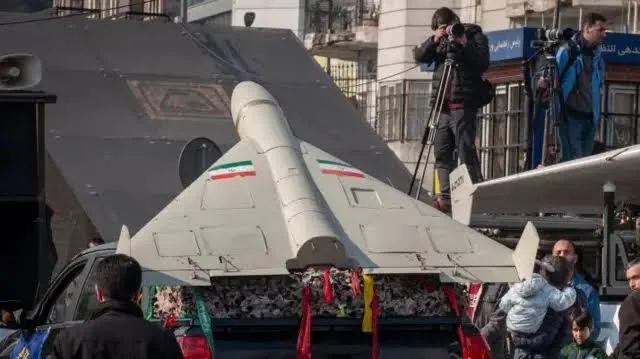
Bahraini air defence intercepted a wave of unmanned aerial vehicles launched from Iran following an IRGC claim of a strike on a US radar at Sheikh Isa Air Base.
Air Defences Intercept Drone Attack Over Manama
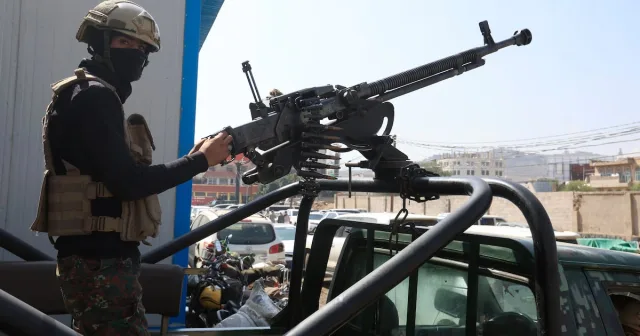
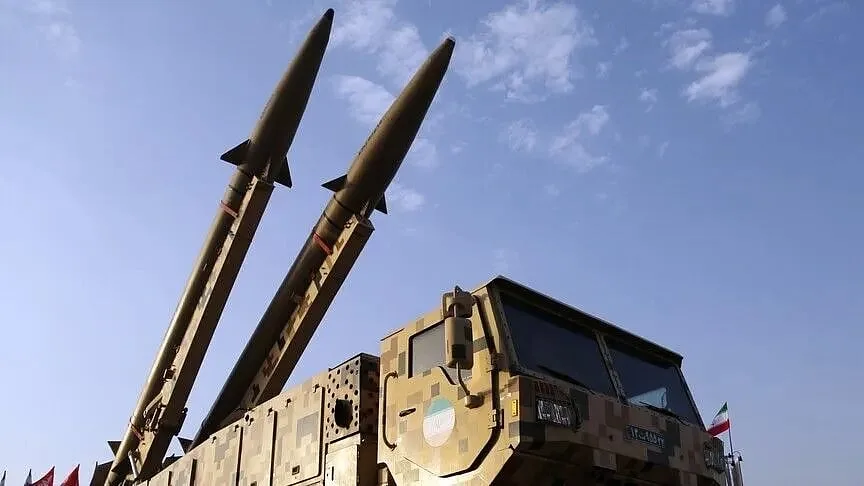
Explosions echoed across Manama on Tuesday as Bahraini air defence successfully intercepted a wave of unmanned aerial vehicles launched from Iran. The morning barrage triggered emergency mobile alerts from Bahrain's Interior Ministry, which urged residents to seek safe shelter before issuing an all-clear notice hours later. State-run television confirmed that armed forces thwarted the incoming aerial assault over the kingdom's skies, while Bahrain separately stated that its air defense systems successfully intercepted the treacherous Iranian aerial attacks.
The confrontation follows a claim by Iran's Islamic Revolutionary Guard Corps that its combat drones carried out a precision operation targeting a US-operated radar system at a US military base. Tehran stated the pre-dawn strike was a direct response to reported US strikes on its communications towers and drone surveillance.
Those claims met immediate pushback from American military authorities. United States Central Command denied that Iranian drones hit a US military radar system, stating that the drones were intercepted without any damage to U.S. equipment or injury to American personnel
.
Tuesday's attack marks the third such reported incident in recent days on US interests in Bahrain after Washington and Tehran since September have scaled back on larger scale barrages against each other. A similar drone attack occurred on Sunday, targeting a radar system at a US helicopter base there, following an earlier claim on Friday involving an American early warning radar facility in the country.
Continued aggression against the country’s airspace, as well as the use of regional military bases and facilities for hostile acts against Iran, will not go unanswered,
the IRGC said in a statement.
Civilian Infrastructure Warned Under New Rules
The escalation in Bahrain unfolded hours after Iranian parliamentary speaker and chief negotiator Mohammad Bagher Ghalibaf outlined what he termed a new rule regarding regional infrastructure. Writing on X on Tuesday, Ghalibaf warned that Tehran would apply retaliatory logic to civilian sites located near military installations belonging to the United States or Israel.
The warning was a direct reaction to a New York Times report citing unnamed analysts who suggested certain water infrastructure projects in Iran might support military developments. Ghalibaf stated that any port, power plant, or dam situated near an American or Israeli base would be classified as dual-use and treated as a potential target if similar Iranian facilities came under attack.
That doctrine signals a widening circle of potential targets across the Gulf, where critical civilian utilities sit within proximity of major foreign military hubs.
Residents in Manama receiving emergency mobile phone alerts, commercial shipping navigating restricted corridors near the Strait of Hormuz, US naval personnel stationed at the Fifth Fleet headquarters in Bahrain, and civilian populations living near dual-use infrastructure across the region all find themselves directly impacted by the shifting rules of engagement.
Stalled Diplomacy and Soaring War Costs
The latest exchange highlights the total deadlock in diplomatic efforts to broker an end to the broader regional conflict. Talks between the two sides, mediated by Qatar, were renewed earlier this month but appear to have stalled yet again. President Trump has said that the US wants a deal with Iran and has directed Vice President Vance to tie peace talks to the administration's anti-fraud agenda.
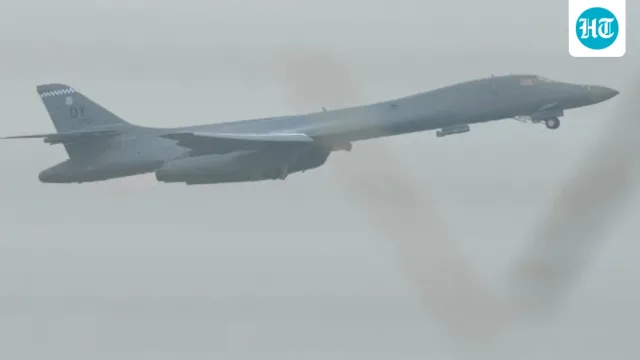
Meanwhile, military positioning continues to intensify as the war stretches into its ninth month. The US military confirmed that a third aircraft carrier, the USS Theodore Roosevelt, arrived in the region this week along with an air wing of F/A-18E/F Super Hornets and EA-18G Growlers electronic warfare aircraft. In addition, the US military reportedly carried out a cyberattack against Iran in the lead-up to America's midterm elections.
The protracted conflict has sent fuel costs soaring and is largely blamed for costing Republicans both the House and the Senate in the midterms. Trump has declared the war effectively over
even as he has not ruled out restarting major combat operations, and he dismissed reports of a dirty bomb threat on Tuesday, saying the administration was keeping an eye on it.
At the same time, the US has maintained a naval blockade on Iranian ports in the Strait of Hormuz since summer, an effort that has crippled Iran's economy but has come at a significant cost to the Pentagon's coffers. The total cost of the fight as of Oct. 16 is estimated at $47.1 billion.
Updated 1 time since publication; last update 17 November 2026, 17:48.