Ukraine Drone Attack Sinks Russian Warship at Libyan Naval Base
Ukraine launched a surprise sea drone attack at a naval base in Benghazi, sinking a state-of-the-art Russian warship and crippling a cargo vessel 2,400 kilometers from the front lines.
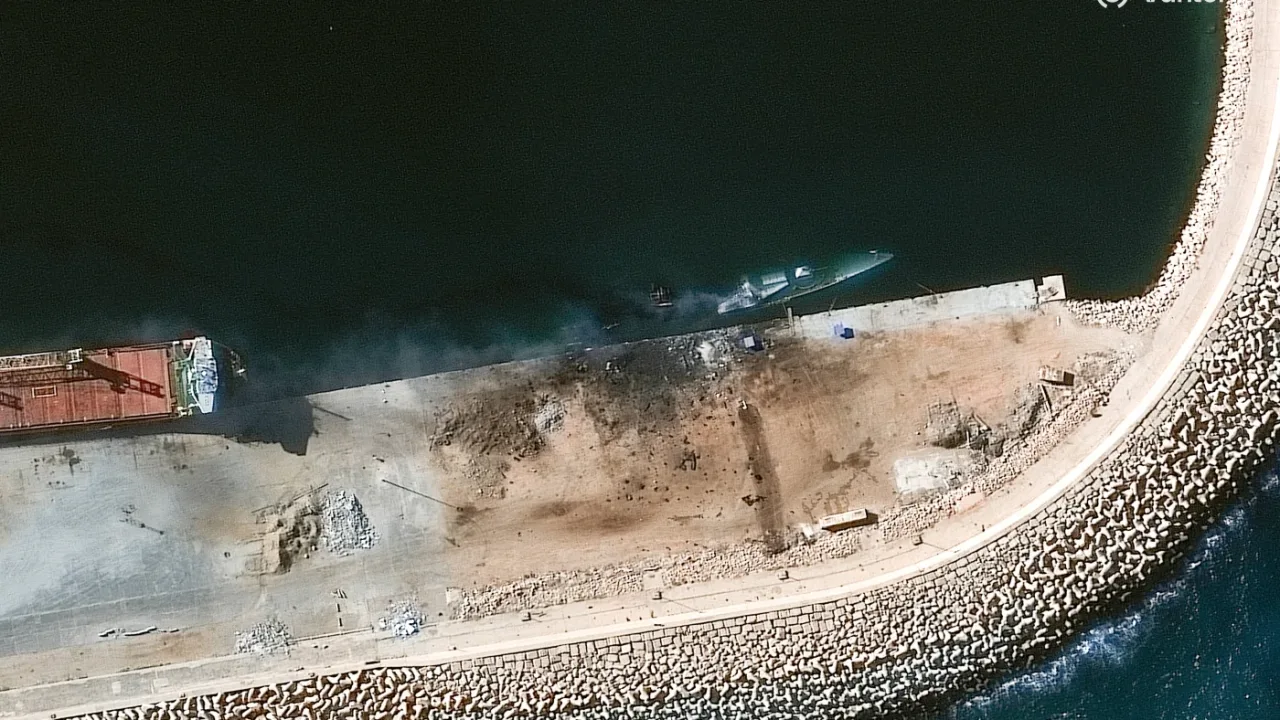
Devastating Long-Range Strike Sinks Modern Russian Corvette in North Africa
Ukraine sank a state-of-the-art Russian warship and crippled a weapons-carrying cargo vessel in a surprise sea drone assault at a naval base in Benghazi, Libya, shattering Moscow's naval safety thousands of miles from the front lines. Ukrainian President Volodymyr Zelenskyy confirmed Monday that Kyiv carried out the operation using seven Ukrainian-made naval drones
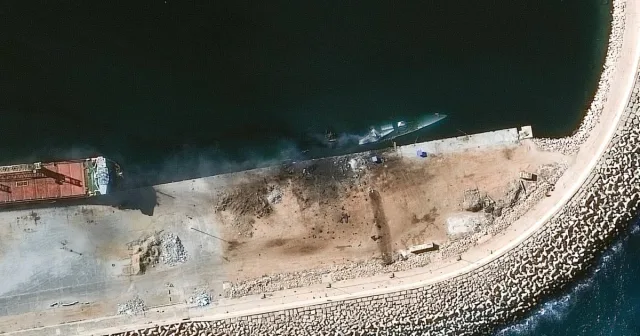
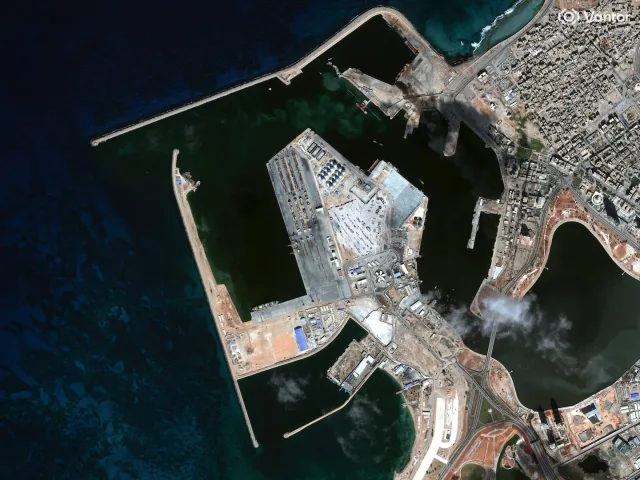
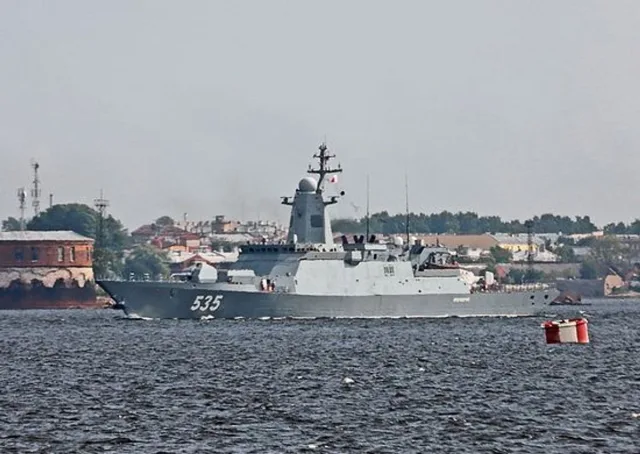
against the Russian navy corvette Merkury, one of Russia's newest vessels commissioned a year after Moscow launched the 2022 invasion. The attack left the warship partially submerged and capsized with only its forward bow visible, as documented by satellite imagery from Vantor and Planet Labs PBC, while regional authorities confirmed that at least 10 people, including Libyan and Russian nationals, were wounded.
The brazen raid unfolded some 2,400 kilometers (1,500 miles) away from the front line in Ukraine, demonstrating a staggering reach that caught regional commanders and international observers flat-footed. According to the Security Service of Ukraine, or SBU, the drones were delivered to a designated location and launched from a mothership near the target, overcoming layered air, sea, and land defenses deployed by Russian forces. The targeted Merkury was a corvette designed to patrol coastal waters and escort other ships, and it regularly guarded Russian naval convoys. Alongside the warship, Zelenskyy stated that Ukrainian forces struck a second target, the Russian dry cargo ship MV Angara, which Moscow used to transport weapons, and destroyed a Ka-27 military helicopter that had been on board the corvette.
The aftermath plunged Libya's fractured political landscape into immediate diplomatic turmoil. The eastern Libya-based government said the Russian ship had docked to refuel and take on supplies as part of a cooperation agreement between Russia and the eastern-based government in Libya, condemning the blast as a violation of port security and national sovereignty. The eastern administration sent an urgent letter to U.N. Secretary-General António Guterres and the U.N. Security Council calling for an international investigation into the potential use of western Libya to prepare and launch the raid. Meanwhile, Libya's internationally recognized Government of National Unity in Tripoli issued a warning against hosting foreign forces and allowing ports to be dragged into external conflicts. Ambrey, a U.K.-based maritime security and risk intelligence firm, noted that some of the explosions at the port were likely caused by the detonation of ammunition on board the Russian warship.
Shadow Operations and Regional Aftershocks Across the Mediterranean
Sunday's operation follows a pattern of covert Ukrainian activity across North African waters that has steadily escalated over the past year. Earlier this year, Libyan officials disclosed that Ukrainian drone experts had been operating under a covert deal endorsed by the West from facilities in Misrata, Tripoli, and Zawiya. That clandestine presence was first linked to a suspected sea drone strike that targeted a Russian tanker in the Mediterranean in March. Those familiar with regional dynamics point out that the latest strike carries severe personal stakes for Khalifa Haftar, commander of the self-styled Libyan National Army controlling eastern Libya. Jalel Harchaoui, an associate researcher specializing in Libya, told reporters that Haftar will view the attack on a partnered vessel inside his stronghold as a personal slight, adding that you're going to have a response by the Haftar family
regarding who allowed Ukrainian operatives to stage from Libyan territory. Adding to the maritime chaos, hours after the warship attack, another sea drone strike hit a Maltese-flagged commercial vessel sailing off Benghazi, according to the Libyan coast guard, while Maltese Home Affairs Minister Glenn Bedingfield noted the strike occurred roughly halfway between the EU island and the Libyan port city of Benghazi.
International condemnation was swift, led by the United Nations Support Mission in Libya, which expressed serious concern and demanded an immediate, independent, and transparent investigation, reiterating that Libya cannot afford, and must not become a battleground for foreign conflicts.
Russia's ambassador to Libya, Haidar Aganin, accused Ukraine of executing the strikes with Western logistical and intelligence support, warning of the dangerous consequences of opening new fronts in the Baltic and Mediterranean seas. The operation also coincides with a parallel drone strike on Saturday that hit a Russian cargo ship in the eastern Baltic Sea, an incident Finnish military officials attributed to Ukraine. The ability of Kyiv to project power from western Libyan bases up to the Mediterranean coast leaves Moscow with an embarrassing vulnerability in its logistics, proving that Russian supply routes face constant danger far beyond the Black Sea.
Unresolved Questions Over the Future of Mediterranean Security
- The exact mechanism by which Ukrainian drone operators utilized western Libyan staging grounds despite a divided government.
- Whether the second commercial cargo ship hit off Benghazi was the MV Angara or the sanctioned roll-on/roll-off vessel Ascalon.
- The nature of the imminent response promised by eastern Libyan authorities and Khalifa Haftar's allied forces.
- The extent of Western logistical or intelligence backing for the covert operations run from Misrata and Tripoli.
- How Russia will attempt to secure its shadow fleet and naval refueling stops across North Africa following the loss of the Merkury.
As joint investigations get underway between eastern Libyan authorities and their Russian counterparts, the broader question remains whether North African ports can maintain neutrality as long-range drone warfare redrafts the geography of the conflict. With the United Nations pressing for transparency and local militias demanding answers over compromised sovereignty, the Mediterranean has transformed into an active theater for a war fought thousands of miles away. How local commanders choose to retaliate against foreign operatives on their soil will determine whether Libya descends into a wider proxy confrontation.