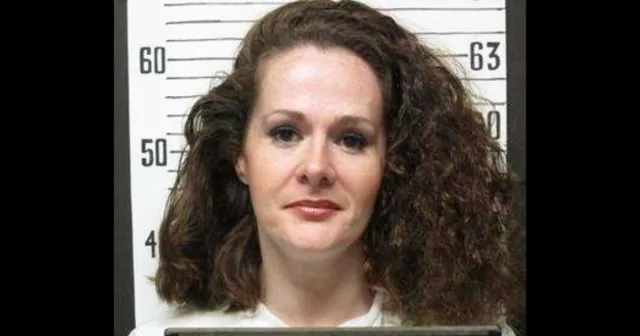
Christa Pike survives two lethal injection doses in botched execution
Christa Pike survived two doses of lethal injection during a botched execution at the Riverbend Maximum Security Institution and was hospitalized.
- Headline: Christa Pike survives two lethal injection doses in botched execution
- Dispatch Summary: Christa Pike survived two doses of lethal injection during a botched execution at the Riverbend Maximum Security Institution and was hospitalized.
- Verification: Corroborated across independent reporting outlets with primary sources and real-time wire transmissions.
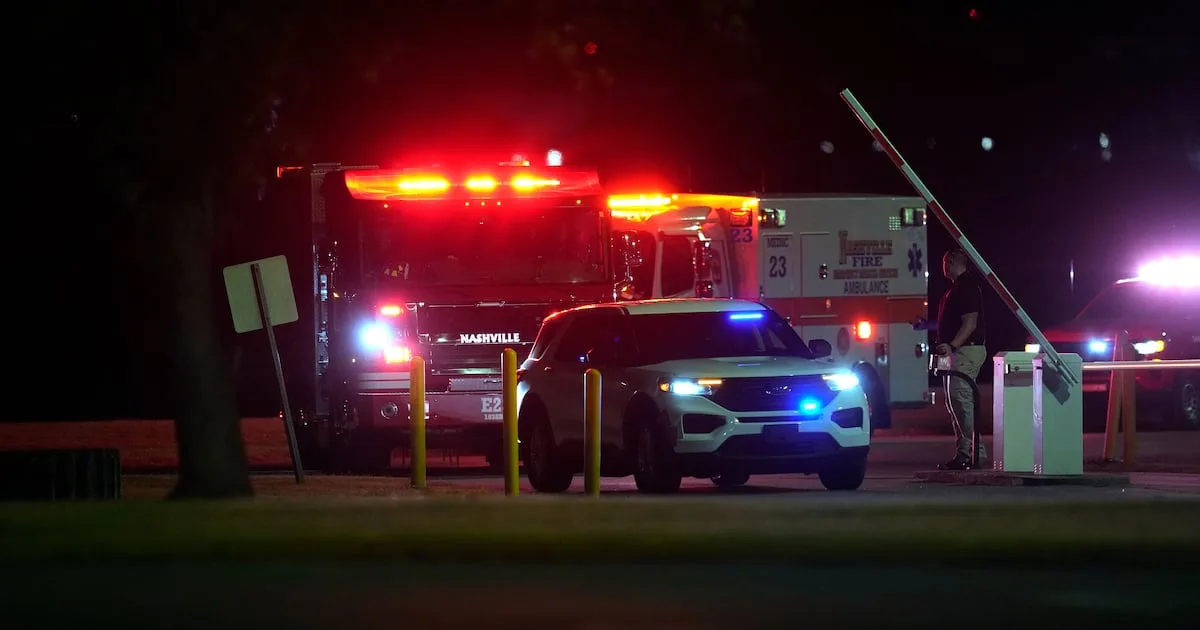
Christa Pike, a 50-year-old Tennessee death row inmate, survived two doses of the lethal injection drug pentobarbital during a botched execution on September 30, 2026, after being rushed to a hospital. Tennessee Governor Bill Lee halted all remaining executions for the year, ordering a third-party review of the incident, which marked the second failed execution in the state this year. Pike’s survival has intensified scrutiny of the death penalty’s reliability and the state’s execution protocols.
The execution, scheduled at 10 a.m. on September 30, was delayed after a U.S. Court of Appeals for the 6th Circuit issued a stay to consider Pike’s claims of childhood sexual abuse and mental health issues. The U.S. Supreme Court overturned the stay, allowing the procedure to proceed. However, after administering two doses of pentobarbital, prison officials found Pike alive and snoring, prompting her transfer to a hospital. Witnesses reported chaotic scenes, including Pike speaking, singing, and expressing discomfort during the process.
Gov. Lee’s decision to pause executions came hours after the incident, citing the need for a comprehensive review. “Carrying out a lawfully imposed sentence is among the State’s most serious responsibilities,” he stated, emphasizing the expectation of “effective” procedures. The Tennessee Department of Correction maintained that it followed “lawful, established execution protocol approved by the Attorney General’s Office,” though the protocol does not outline steps for cases where an inmate remains alive after the second dose.
Pike’s attorneys alleged “difficult vein access, blown veins, degraded pentobarbital, and no emergency medical care” during the procedure. They also criticized the secrecy of the protocol, which left no clear guidance for addressing complications. Media witnesses described Pike’s curtain being opened at 7:27 p.m. to reveal her strapped to a gurney, where she declared, “I’m going to leave this world the way I spent most of my life and that is in love.” At one point, she raised her head and asked prison officials if her arm was supposed to feel that way, though the context remained unclear.
The incident has reignited debates over the death penalty’s application to young offenders and the ethical treatment of inmates with trauma histories. Pike, convicted at 18 for the 1995 murder of 19-year-old Colleen Slemmer, was the first woman scheduled for execution in Tennessee in over 200 years. Her legal team argued her age, mental health, and allegations of childhood sexual abuse warranted clemency, but Gov. Lee declined to intervene. Slemmer’s mother, May Martinez, traveled 600 miles to witness the execution, expressing hope for closure, though the botched procedure has left her and others questioning whether justice was served.
This marks the second failed execution in Tennessee this year. In May, officials halted the lethal injection of Tony Carruthers, who was convicted of kidnapping and killing three people in 1994, after struggling to administer IV drugs. The state’s shift to pentobarbital in 2024 followed a 2022 failure to test lethal injection drugs properly, which led to the halted execution of Oscar Smith. Death penalty experts called Pike’s survival “singular and unparalleled,” noting that while seven others have survived medical issues during executions, none have remained alive after receiving the full dose of pentobarbital.
Pike’s case has also drawn international attention. UN rights experts have called for an immediate halt to her execution, citing her “trajectory of severe physical and psychological suffering.” Her legal team filed emergency motions in multiple courts, arguing that the procedure violated her right to be executed free of cruel and unusual punishment. The Tennessee Supreme Court and U.S. Supreme Court have yet to rule on these requests.
The incident underscores systemic challenges in the U.S. death penalty system, where only 18 women have been executed since 1976, representing 1% of all executions. Pike would have been the 30th person executed in 2026, following Florida’s recent execution. Critics argue that the state’s reliance on untested protocols and the secrecy surrounding execution procedures risk further failures, while supporters maintain that the death penalty remains a necessary tool for justice.
How significant is this wire dispatch?
Cast your anonymous vote to register reader consensus across journalism and intelligence sectors.
Dateline Wire is dedicated to independent, evidence-backed reporting. This briefing was synthesized from primary source reporting, corroborated across independent newsrooms, and verified against our Editorial Standards.