Trump Demands FAA Funding From Congress Following Nationwide Ground Stop
Following a nationwide ground stop caused by a contractor's router upgrade, President Trump is pushing Congress for funds to upgrade the air traffic control system.
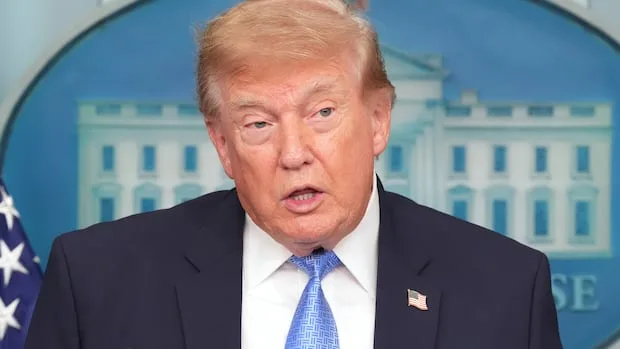
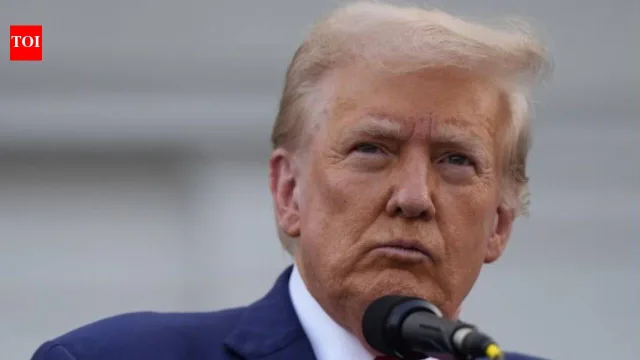
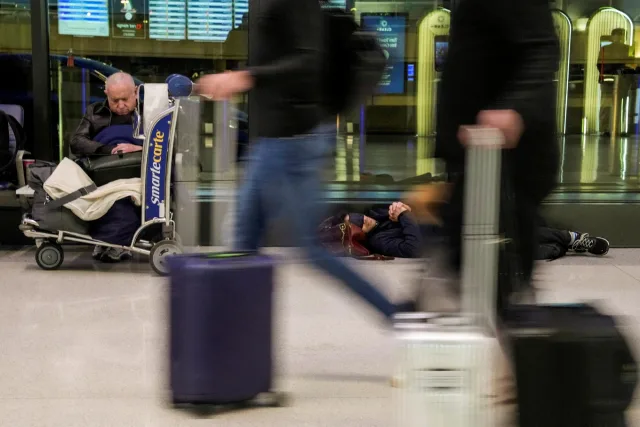
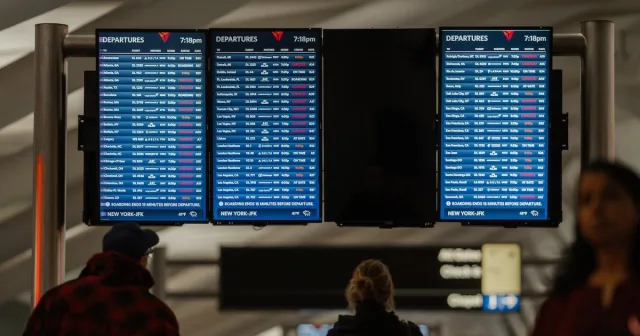
President Donald Trump broke his silence on Sunday following a nationwide ground stop that disrupted domestic and international travel, using the incident to push Congress on money to fully upgrade America's air traffic control system. The Republican president had been conspicuously quiet on the ground stop since it began Friday afternoon, instead issuing statements on social media about completely different topics as frustrated passengers were left stranded at airports and his government scrambled with airlines to restore normal travel. On Sunday, he turned his focus to his Democratic predecessor and lawmakers, arguing that decades of neglect left the aviation network vulnerable to failure.
The systemwide stoppage, which marked the longest nationwide flight suspension in 25 years, originated during routine maintenance when contractor L3Harris Technologies Inc. Replaced a section of old copper wire with new fibre wire at an FAA facility in El Dorado, Ark. When the router was turned on, a problem then cropped up at a facility in Amarillo, Texas, cascading into the ground stop. Transportation Secretary Sean Duffy defended the timing of the work, noting that such maintenance has been performed thousands of times without issue, though he stated that we're going to have to re-evaluate when we do this work.
Why Is $12.5 Billion Not Enough for Transportation Secretary Sean Duffy?
The core policy battle is not over whether the system is broken, but over who pays to fix it and how funds already allocated are managed.
The Republican-controlled Congress approved $12.5 billion US for the Federal Aviation Administration last year as part of the party's sweeping tax cut package. Yet Duffy has repeatedly dismissed that sum as a down payment, telling CNN that none of those specific funds can be used for a new architecture for telecom or new software to manage aeroplanes in the airspace because it dates back to the 1990s.
Sean Duffy, U.S. Transportation Secretary, via NBC's Meet the Press
I can’t apologize for what was passed on to us. And I can't blame Republicans or Democrats, because it's all of them. It goes back 20, 25, 30 years of a lack of investment.
That posture has provoked sharp pushback from Capitol Hill. Democratic Senator Chris Van Hollen of Maryland criticized the administration's handling of existing resources, noting that Congress has given the administration what they asked for and arguing that if they need more, they should come up and justify it.
Did Prior Administrations Leave an Old and Broken System Worse Off?
Trump used his social media platform on Sunday to launch a direct attack on former president Joe Biden, writing that The Biden Administration was an FAA disaster. Everything they touched turned bad.
Trump claimed that prior leadership spent money unwisely, making an old and broken system worse than when they began.
The FAA notes that Biden signed a massive infrastructure bill in the first year of his presidency, which set aside $25 billion US for the FAA to improve airports and its traffic control towers, to redevelop airport terminals and "upgrade the foundation" of the air traffic control system. Administration defenders counter that despite those past outlays, much of our current air control system is 50 years old.
| Funding Source | Amount Allocated | Stated Purpose |
|---|---|---|
| Prior Infrastructure Bill (Biden Administration) | $25 billion US | Improve airports and its traffic control towers, to redevelop airport terminals and "upgrade the foundation" of the air traffic control system |
| Recent Tax Cut Package (Republican Congress) | $12.5 billion US | Federal Aviation Administration funding characterized by leadership as a down payment |
This financial standoff leaves the administration caught between acknowledging the urgency of structural modernization and defending its own stewardship of multibillion-dollar budgets against congressional oversight.
Were FAA Technicians Involved in the Botched Upgrade by L3Harris?
Professional Aviation Safety Specialists (Pass), the AFL-CIO labour union representing more than 11,000 workers at the FAA, moved quickly to distance its members from the operational failure. The union stated that technicians it represents were not involved in the upgrades that led to the ground stop, pointing out that the issue was isolated to two contractor-owned and maintained routers that were being updated midday.
Historically, union representatives noted, contractors have followed a protocol where FAA employees conduct a risk assessment and co-ordinate the maintenance of the system or equipment. Duffy defended the contractor's actions on television, maintaining that this was done appropriately, which, by the way, it’s been done thousands of times by us, by others, by other companies and that we do risk assessments on everything.
When Will Air Travel Return to Full Capacity Across the United States?
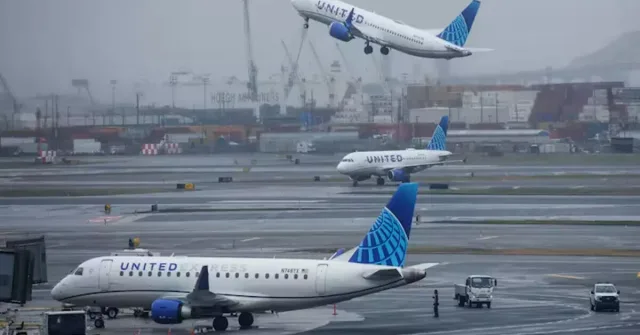
Airlines and federal regulators spent the weekend scrambling to reposition aircraft and flight crews displaced by the ground stop. Duffy told CBS News that while we have some delays in the airspace right now, looking to the end of the day and into Monday, we should be running at full capacity as carriers recover from the cascading scheduling disruptions.
Meanwhile, L3Harris is conducting deep diagnostics on the two routers secured from the Texas and Arkansas facilities. Officials have repeatedly stated there is no indication of a foreign cyberattack.
Travelers experiencing delays should check directly with their airlines for updated scheduling information as normal operations resume.