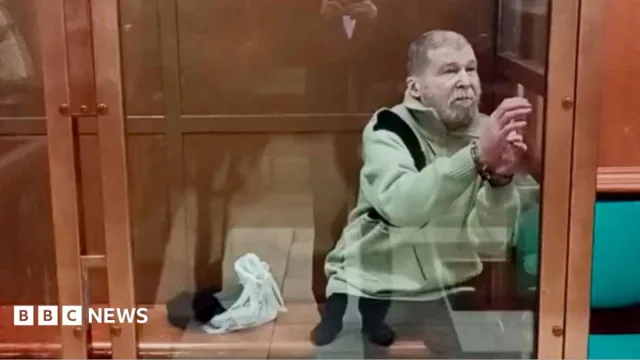
Estonia to close border with Russia following GRU-linked sabotage attempt
Estonia announced the complete closure of all road border crossings with Russia after thwarting a sabotage attempt at a defense manufacturing facility.
Eight suspects have been detained following an attempted arson and explosion attack targeting Threod Systems, an Estonian defense manufacturer in Viimsi that produces long-range reconnaissance and attack drones. The early Saturday morning incident on November 14 caused only minor property damage because company security officers and law enforcement reacted swiftly. Estonian authorities state that the operation was directly ordered by Russia's military intelligence service, the GRU, prompting the government in Tallinn to announce the complete closure of all road border crossings with Russia effective December 1.
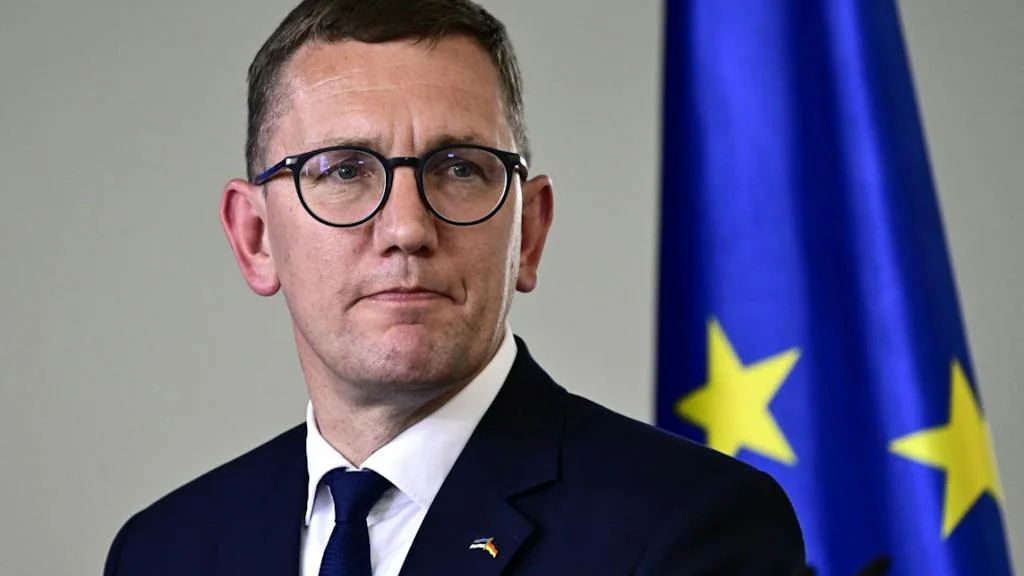
Prime Minister Kristen Michal and Foreign Minister Margus Tsahkna confirmed that the frontier closure applies to the active road crossings at Narva, Luhamaa, and Koidula, which currently admit pedestrians and freight for 12 hours a day. Interior Minister Igor Taro stated that the government will discuss in the coming days whether the shutdown will be temporary or indefinite. Railway crossings in Narva and Koidula are also part of the border infrastructure, while the natural boundary between the two nations runs through Lake Peipus. Estonian residents and truck drivers currently in Russia have a two-week window to return home before transit becomes complicated.
Attorney General Astrid Asi confirmed that arrest warrants have been issued for five of the eight detained individuals. Latvia's State Security Service provided critical intelligence during the investigation and carried out searches across nine sites in Latvia, seizing explosive devices, pyrotechnics, ammunition, mobile phones, and data storage media. Tallinn links this incident to a prior arson attack in August against Milrem Robotics, another Estonian contractor developing unmanned military systems used in Ukraine.
Moscow has not yet responded to Estonia's latest accusations or the border closure announcement, though the Kremlin routinely denies involvement in European sabotage operations. Foreign Minister Margus Tsahkna stated on Platform X that Russia must understand that hostile actions against Estonia come with consequences,
adding that the measure also strengthens efforts to prevent sanctions circumvention. Prime Minister Michal characterized the event as part of a broader Russian hybrid war designed to intimidate European states, reduce support for Kyiv, and sow hesitation.
That positions Tallinn ahead of several regional allies in taking direct economic and physical countermeasures against Moscow's gray-zone tactics. Finland, Latvia, and Lithuania have been informed of Estonia’s decision. While Poland is not making further contributions to the Prioritised Ukraine Requirements List program due to domestic budget pressures, Estonia is focusing on national security by severing its primary land bridge with Russia. The two-week grace period gives stranded travelers and haulers a narrow window to cross back before the closure begins.
The success of the interception shows that heightened domestic security vigilance works, yet the frequency of these attacks forces small frontline states into drastic isolation measures. Border closures safeguard the domestic population against operatives exploiting open checkpoints, but they also permanently alter commercial and personal ties that survived previous diplomatic storms. With the December 1 deadline fast approaching, the burden shifts entirely to Moscow to weigh the cost of its escalating hybrid campaign against an increasingly sealed European frontier.