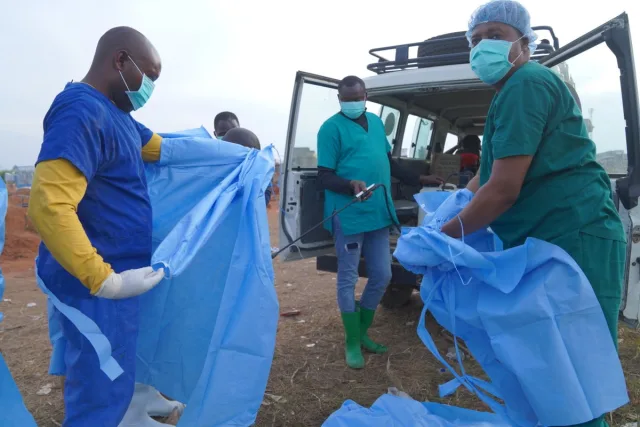
Ebola outbreak in Congo surpasses 1,000 deaths as transmission continues
The Ebola epidemic in the Democratic Republic of Congo has surpassed 1,000 deaths as the virus spreads across provinces and into neighboring Uganda. Health officials are struggling to contain the crisis amid regional conflict, community resistance, and significant funding shortfalls.
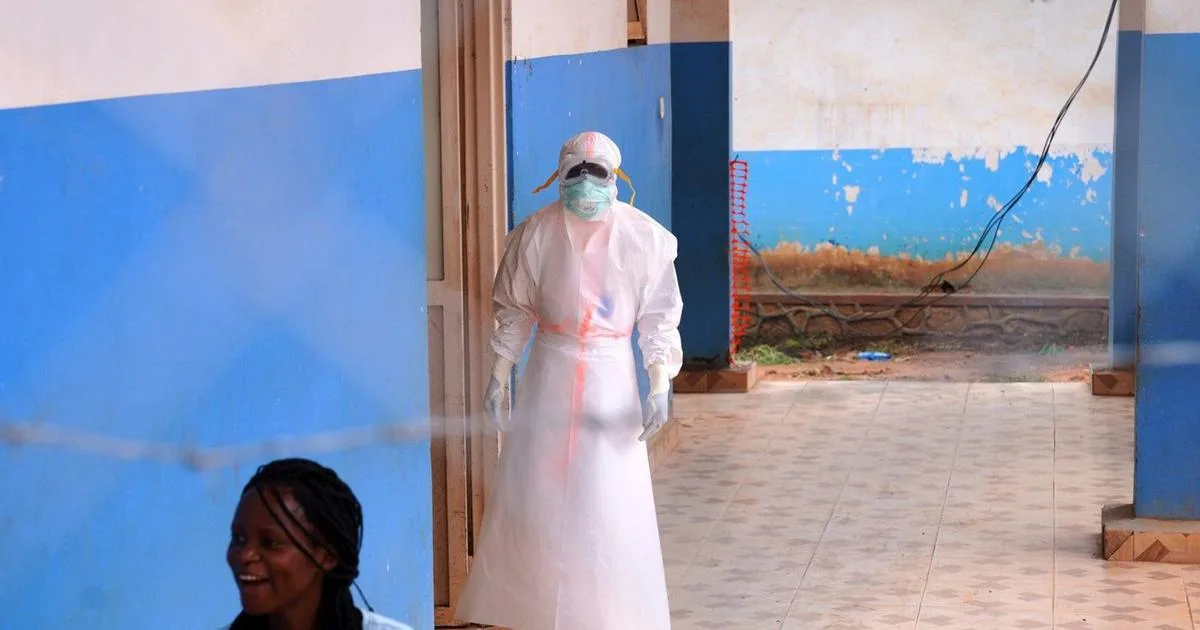
The Ebola outbreak in the Democratic Republic of Congo has surpassed 1,000 deaths, marking the fastest-growing epidemic in the virus’s history, according to health officials and international agencies. As of mid-July 2026, the outbreak has recorded 2,536 confirmed cases and 1,033 deaths, with transmission remaining sustained in eastern Congo and spreading to neighboring Uganda, the World Health Organization (WHO) reported. The virus, caused by the Bundibugyo strain, has no approved vaccine or treatment, compounding efforts to contain its spread.
The outbreak, declared on May 15, 2026, has concentrated in Ituri province, which accounts for nearly 90% of cases, but has also spread to five other provinces, including Kisangani, a city of over 1 million people. In Uganda, 20 cases have been confirmed, with two deaths, all linked to imported infections from Congo. The WHO has classified the risk of the outbreak as “very high” in Congo and “high” in Uganda, citing cross-border movement and ongoing conflict. However, the global risk remains low, as Ebola spreads only through direct contact with bodily fluids, not airborne transmission.
Health officials face significant challenges in curbing the outbreak. Contact tracing, a critical tool for interrupting transmission, has lagged, with only 77% of known contacts monitored nationwide—far below the 95% target needed to control the virus. Over 80% of new cases emerge outside known transmission chains, indicating gaps in surveillance and a potential undercount of infections. “There’s never been an Ebola outbreak that started with so many cases because it was so late to be identified,” said Trish Newport, an emergency program manager for Médecins Sans Frontières (Doctors Without Borders), who has worked in Congo during the crisis.
Conflict in Ituri province, where the outbreak is centered, has further complicated response efforts. Fighting involving Rwanda-backed M23 rebels and attacks by the Islamic State-linked Allied Democratic Forces has displaced thousands and hindered access to affected communities. Health workers also face resistance from locals, driven by mistrust of treatment centers, fears of isolation, and resistance to safe burial practices. “Rumors about Ebola treatment centers, fears of isolation and resistance to safe burials have led some people to avoid testing or seek care only after becoming critically ill,” thestar.com reported.
Funding shortfalls have also hampered the response. A plan led by the WHO and Africa Centers for Disease Control faces a gap, while health workers in Ituri recently went on strike over unpaid wages and poor conditions. The outbreak’s rapid spread has outpaced containment efforts, with the WHO warning that the virus could approach the scale of the 2014-2016 West Africa epidemic, which killed over 11,000 people.
Researchers have initiated the first clinical trial for potential treatments for the Bundibugyo virus, enrolling patients in Ituri province. The WHO estimates the trial could take months and involve up to 1,000 participants. Meanwhile, the University of Oxford’s Vaccine Group launched a Phase I trial for a Bundibugyo-specific vaccine in the UK, though it will not be available for widespread use for years. “It’s like the outbreak is outrunning the response,” Newport said.
International travel restrictions have been imposed to prevent further spread. The U.S. bars most travelers from Congo and requires 21 days of quarantine for returning citizens, while Uganda and South Sudan face enhanced screening. A proposed U.S.-funded Ebola quarantine facility in Kenya has faced legal and public opposition, including violent protests. Outside the region, a single case was reported in France in June, but the infected doctor has since recovered.
Despite these measures, health officials warn that the outbreak is far from peaking. Congolese authorities note a “sharp rise in cases appears to be slowing,” but emphasize the outbreak has not yet reached its peak. The WHO continues to monitor the situation closely, urging accelerated funding, improved community engagement, and expanded contact tracing to prevent further devastation.
Dateline Wire is dedicated to independent, evidence-backed reporting. This briefing was synthesized from primary source reporting, corroborated across independent newsrooms, and verified against our Editorial Standards.