Kenya confirms four more Ebola cases, bringing total to seven
Kenya's total Ebola infections have risen to seven after the Health Ministry confirmed four new cases involving quarantined healthcare workers and a relative.
- Headline: Kenya confirms four more Ebola cases, bringing total to seven
- Dispatch Summary: Kenya's total Ebola infections have risen to seven after the Health Ministry confirmed four new cases involving quarantined healthcare workers and a relative.
- Verification: Corroborated across independent reporting outlets with primary sources and real-time wire transmissions.
Seven Confirmed Cases and the Search for Two Missing Contacts
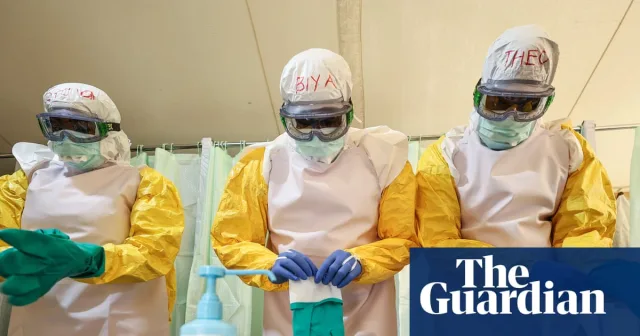
Kenya confirmed four new cases of the Ebola Bundibugyo virus this Saturday, bringing the total number of infections in the country to seven, the Health Ministry said. The newly diagnosed patients include three healthcare workers who treated the country’s first patient and a male relative of the nation's first patient, who died. All four new patients were already in quarantine when they developed symptoms and were diagnosed, according to the Ministry of Health.
The three health workers—two men and a woman aged 29, 35 and 32 respectively—managed the index case on October 3 and 4 and were placed in quarantine on October 9. The fourth new patient, a relative of the first infected person, had been in quarantine since October 6. These are the first known cases of transmission within Kenya since the first patient arrived from Congo on October 3.
That first patient was a man who had been ill in DRC for about a month before travelling by road to Uganda and flying to Nairobi on October 3. He died on October 5. His arrival has raised concerns about screening at the DRC-Uganda border, which has been closed since May, and at Nairobi’s Jomo Kenyatta International Airport. Some observers have questioned how the index patient managed to bypass health screenings upon returning to Kenya and make contact with so many people.
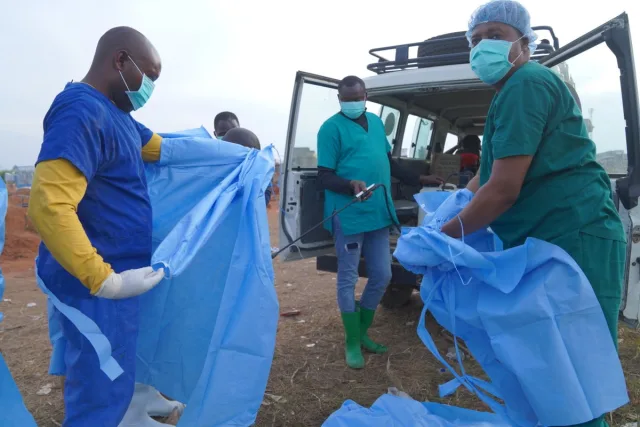
Authorities identified about 130 people who had been in contact with the first patient, the ministry said. Of those, 128 of 130 listed contacts, or 98.5%, had been traced and placed in quarantine. Efforts to trace the remaining two contacts were ongoing. The Ministry of Health said this quarantine figure exceeds the global benchmark of 85% needed to break the chain of transmission.
Local Containment Measures and Regional Outbreak Pressures
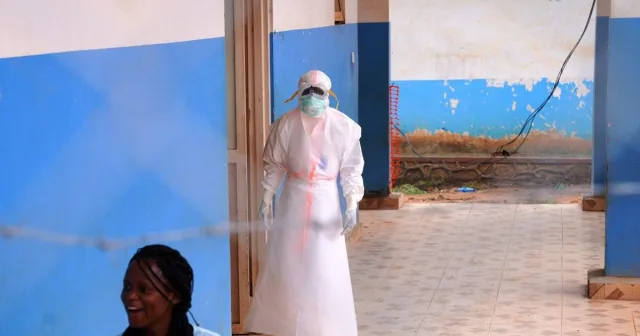
The second and third patients confirmed earlier are stable and responding well to supportive treatment, the ministry said. The patient identified on Friday was a primary contact and a close relative of the first and second cases
, the Health Ministry said. The ministry stated that the risk to the general public remains low as there is no evidence of community transmission.
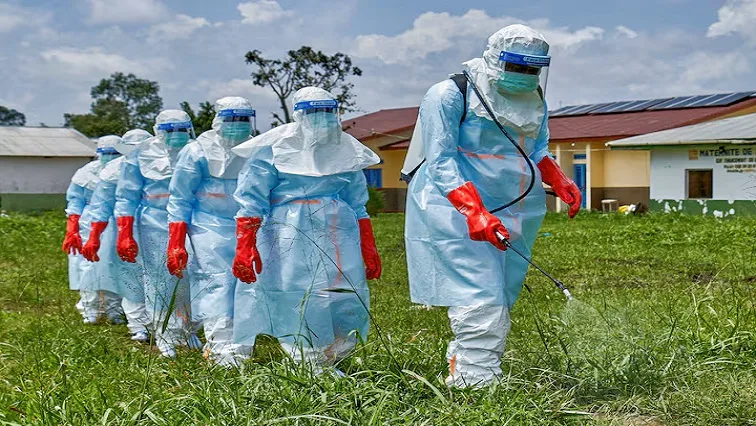
There were no restrictions on travel, trade or public gatherings. Instead, the government has reacted by strengthening screening and establishing an emergency hotline for anyone who suspects they may have been in contact with an Ebola patient or develops symptoms.
Kenya's cases are linked to the Ebola epidemic in Democratic Republic of Congo (DRC), which began in mid-May in eastern DR Congo. Figures provided across official sources vary slightly regarding the massive regional toll. Channel Africa and UA.News report more than 9,000 cases and more than 4,000 deaths. The Senior reports that 9,348 Ebola cases have been confirmed in laboratories with 4,510 deaths, while Al Jazeera notes more than 9,000 cases and more than 4,300 deaths. The Senior adds that the outbreak has killed at least 4,300 people since May, accounting for nearly half of all confirmed cases there, and the Africa CDC calls it the fastest-growing Ebola outbreak in history.
The risk to the general public remains low as there is no evidence of community transmission.
Ministry of Health via Channel Africa
The absence of approved vaccines or treatments for the Bundibugyo strain places immense pressure on traditional containment methods. Isolation and rigorous contact tracing remain the primary defenses against widespread contagion. With 128 of 130 contacts safely sequestered, health officials maintain that the strict adherence to quarantine protocols provides a narrow window to halt transmission before it establishes a wider foothold in the region.