Spain train crash latest: At least 64 dead in second high-speed rail cat…
At least 64 people died when a Madrid-to-Seville high-speed train collided with a stationary service in Toledo, marking Spain's deadliest railway disaster in over a decade.
- Headline: Spain train crash latest: At least 64 dead in second high-speed rail cat…
- Dispatch Summary: At least 64 people died when a Madrid-to-Seville high-speed train collided with a stationary service in Toledo, marking Spain's deadliest railway disaster in over a decade.
- Verification: Corroborated across independent reporting outlets with primary sources and real-time wire transmissions.
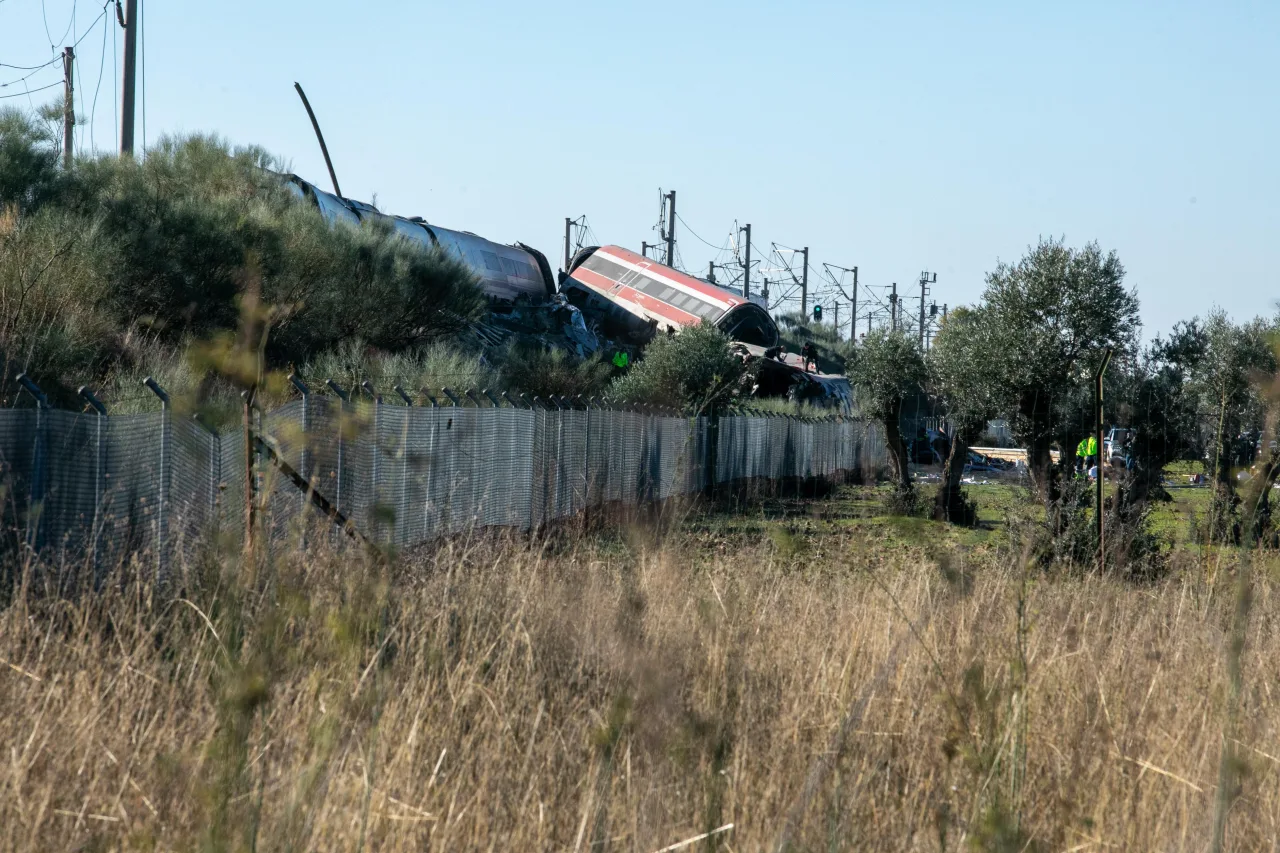
At least 64 people died on Wednesday when a high-speed train traveling from Madrid to Seville slammed into the rear of a stationary service in central Spain, marking the deadliest railway catastrophe on the country's tracks in over a decade outside of historical disasters and exposing deep vulnerabilities in a world-leading transit network.
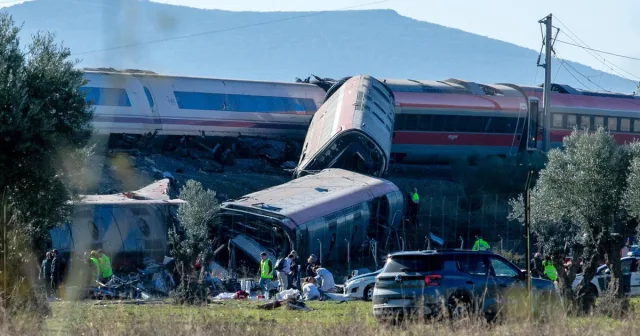
The collision took place just after 9 a.m. in the province of Toledo, in a flat stretch surrounded by olive fields between the towns of Urda and Los Yébenes. A RENFE high-speed train carrying 397 passengers rammed the tail of an IRYO train carrying 147 passengers that had halted at a signal. The brutal impact shredded one car into bits of metal and sent debris scattering down a gravel slope, while knocking two carriages off the track and down an embankment. Regional President Emiliano García-Page of Castilla-La Mancha confirmed that at least 80 people were injured, warning that the casualty count would likely climb further as rescue workers struggled to reach the bottom of the most severely damaged carriages.
How did two high-speed trains collide on the same line?
The logistics of the disaster point to a catastrophic failure in signaling or coordination on one of Spain's busiest commercial arteries. Both the state-owned RENFE train and the private IRYO service were heading in the same direction toward Andalusia when the accident occurred. Passenger Ignacio Relaño, who was aboard the RENFE train, told state broadcaster TVE that travelers felt the train abruptly slow down before the devastating impact shook the carriage. We all felt the train abruptly slowing down and then the impact,
Relaño said. The car leaned to one side like it was about to tip over. I hit my nose, everything went flying, luggage, cell phones. Everything shook.
Transport Minister Óscar Puente stated that the train had been ordered to continue with its journey until collision after coming to a red signal. A spokesperson for Spain's Transportation Ministry added that initial assessments point to human error, potentially involving an Adif rail traffic controller. Footage broadcast by regional Castilla-La Mancha Television showed a derailed train with at least one carriage perched on an elevated section of track, with twisted metal and broken panels strewn across the embankment below.
Emergency responders from across the region flooded the site. Ambulances and medical helicopters ferried the wounded to area hospitals, while Madrid's emergency services issued an urgent public call for blood donations to cope with the surge in medical needs. Manuel Galán, mayor of nearby Urda, reported that civil protection authorities requested the town hall prepare a local sports pavilion to tend to injured passengers, while unscathed survivors were transferred onto buses. The Spanish government deployed the Emergency Military Unit, bringing in at least 100 military personnel to assist firefighters, police, and Red Cross teams searching the wreckage.
Who is bearing the human and political cost?
The catastrophe has triggered immediate political fallout and profound grief across the nation, striking just weeks before a high-stakes national election on November 29. Prime Minister Pedro Sánchez canceled his schedule, including an obesity summit in Madrid, and wrote on X that he was dismayed by the serious train accident in Toledo
and that all my thoughts are with the victims and their families.
Sánchez's Socialist party suspended all campaign activities, while opposition leaders similarly cleared their calendars.
The political opposition lost no time in turning the tragedy into a referendum on government stewardship. Santiago Abascal, leader of the far-right Vox party, blamed the accident on what he termed the abandonment, ruin and betrayal suffered by Spaniards
at the hands of the administration. Meanwhile, Transport Minister Puente declined to answer questions from reporters regarding whether he intends to resign.
Regional authorities also moved quickly to honor the victims. Andalusia declared three official days of mourning starting at 2 p.m. on Wednesday until 2pm next Saturday, October 31, with regional politician Juanma Moreno declaring, We are devastated. All of Andalusia stands with the victims of this new railway accident.
King Felipe VI and Queen Letizia released a statement expressing deep sorrow, and European Commission President Ursula von der Leyen offered condolences on behalf of the European Union, stating, Today, Europe mourns with you.
The Spanish Football Federation postponed all 24 Copa del Rey matches scheduled for Wednesday as a mark of respect.
Does privatization and heavy traffic threaten Spain's rail pride?
Wednesday's disaster is the second high-speed rail catastrophe in Spain this year, reviving intense public scrutiny over the safety and management of a network that spans some 3,900 kilometers of track — making it the second-largest in the world behind China. In January, 46 people were killed and more than 120 injured when an IRYO train derailed and collided with an oncoming RENFE train near Adamuz in the province of Córdoba. That accident had already shaken public confidence in a system built up over more than three decades.
Labor representatives argue that the rapid commercial expansion of the network has outpaced its maintenance. Joan Rodríguez, a spokesperson for Spain's train workers' union, told TVE that the liberalization of the passenger rail market — which saw Italian-owned IRYO begin operations in 2022 alongside RENFE, has placed extraordinary demands on the infrastructure. We are not convinced that the liberalization of the high-speed passenger rail service was matched by the necessary upkeep of the lines,
Rodríguez said. I am not saying it was a determining factor, but yes, the increase in use of the network is a factor to keep in mind.
Commercial high-speed rail ridership surged to roughly 40 million travelers in 2024, representing a 77 percent jump from 2019, driven by population growth and a tourism boom bringing nearly 100 million annual visitors to the country.
- Two high-speed trains carrying a combined 544 passengers collided on the Madrid-Seville line in Toledo province.
- Railway traffic was completely suspended between Madrid, Ciudad Real, and Andalusia.
- Medical helicopters, ambulances, and 100 military emergency personnel were deployed to the disaster zone.
- Andalusia declared three days of official mourning while national and regional authorities investigate the cause.
That leaves commuters and travelers facing severe, indefinite disruptions on one of the country's primary rail corridors. Rail services linking Madrid, Ciudad Real, and Andalusia remain entirely suspended while Adif works to clear the tracks and help stranded travelers reach stations by alternative means.
The definitive test for the government and rail operators will come on November 29, when voters head to the polls against a backdrop of public anger, ongoing investigations into consecutive high-speed rail disasters, and intense debate over the safety of a privatized transit future.