Trump to speak to Putin about plague lab worker's death in Russia
US President Donald Trump plans to discuss the death of a Siberian lab worker from suspected pneumonic plague with Vladimir Putin as international pressure mounts.
- Headline: Trump to speak to Putin about plague lab worker's death in Russia
- Dispatch Summary: US President Donald Trump plans to discuss the death of a Siberian lab worker from suspected pneumonic plague with Vladimir Putin as international pressure mounts.
- Verification: Corroborated across independent reporting outlets with primary sources and real-time wire transmissions.
US President Donald Trump has stated he will speak with his Russian counterpart Vladimir Putin soon about the death of a lab worker at a plague research centre in Siberia, as international pressure mounts over the incident. That diplomatic intervention comes as US and world health officials press for clear answers following independent reports that a 28-year-old scientist may have contracted pneumonic plague during a laboratory accident.
While the World Health Organization notes that the public health risk to the general population appears low, the episode has exposed sharp disagreements between Moscow's official accounts and local media reports regarding quarantines, testing, and the precise cause of death.
From a Siberian Hospital to the Diplomatic Stage
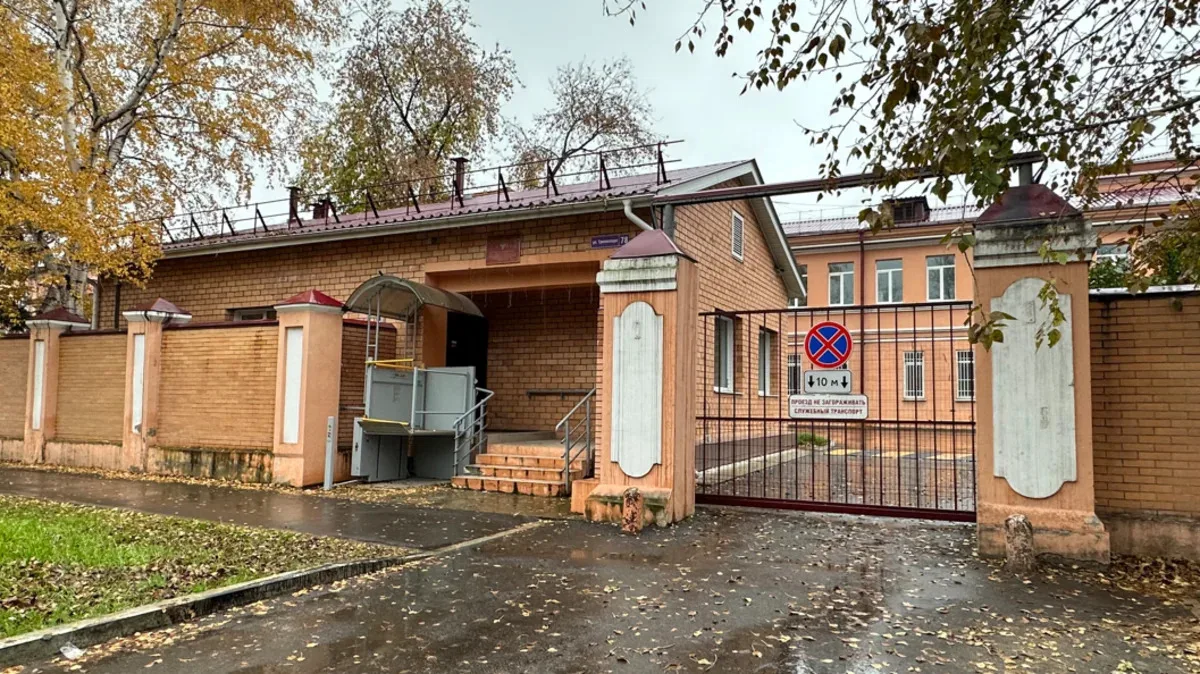
The sequence of events began on September 29, when 28-year-old researcher Darya Shipilova was hospitalised with severe pneumonia and placed on a ventilator. Unconfirmed reports from independent Russian outlets including Lyudi Baikal and The Kyiv Independent suggested she fell ill after breaking a test tube containing the pathogen Yersinia pestis at the Anti-Plague Institute of Siberia and the Far East in Shelekhov, near Irkutsk, or alternatively following a field trip involving wild rodents such as marmots. Reports first emerged on Friday that nearly 200 people had been placed under medical isolation in the Irkutsk region, with several local hospitals closed for a three-week quarantine.
Shipilova died overnight into October 2, according to the WHO. Russian authorities subsequently pushed back against the lab accident narrative. The country's health watchdog, Rospotrebnadzor, stated that the woman died of pneumonia of an undetermined etiology, maintaining there was no accident. On Tuesday, Rospotrebnadzor reported that no infectious illnesses had been recorded among employees at the facility over the preceding 10 days, and medical testing showed no microorganisms connected to her professional duties present in her body.
Elena Sofina, deputy head of the Shelekhov district, stated that a hazardous diagnosis was not confirmed and that approximately 60 per cent of those initially placed under quarantine had since been released. Russian authorities told the WHO on Tuesday that no cases of plague had been identified in Irkutsk, and that individuals who came into contact with Shipilova all tested negative for dangerous infectious pathogens.
Those assurances have done little to satisfy international observers seeking verification. Under global health rules, Moscow is required to respond to WHO requests within 24 hours. WHO Director-General Tedros Adhanom Ghebreyesus called for transparency from Russia, stating, Timely, complete and transparent information sharing under the International Health Regulations is essential to clarify conflicting reports and enable an accurate assessment of potential public health risks.
US Secretary of State Marco Rubio similarly called on Russia to be more transparent, adding that the nation should share more information with the world, and that the US had measures available to help Russia if the situation turned out to be more serious than claimed.
Kremlin spokesman Dmitry Peskov welcomed the US offer of assistance, telling reporters, It's always good when mutual assistance is offered,
while noting that Rospotrebnadzor was handling the situation. President Trump on Monday described the situation as a "big problem for Russia". Trump told reporters that discussions were ongoing and that he would likely report on his talks with Putin on Thursday.
Weighing the Risk of the 14th-Century Scourge
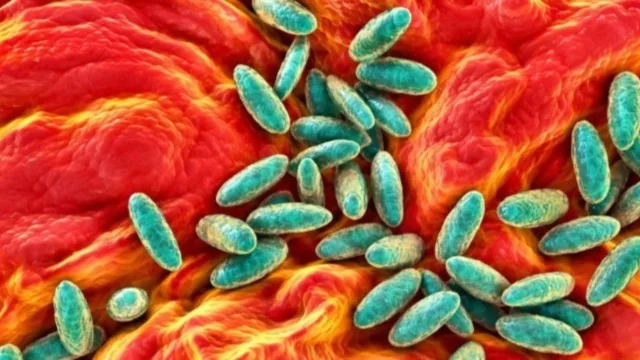
The bacterium at the center of the controversy, Yersinia pestis, is historically renowned as the causative agent of the Black Death, which killed up to half the population of Europe in the 14th century. The Anti-Plague Institute in Irkutsk was founded just over 100 years ago in response to an outbreak in the 1920s. Today, medical experts emphasise that the disease is manageable with modern medicine.
The response doesn't fit plague. It's not congruent with plague. Plague is something, in the 21st century, that's treatable with antibiotics.
Dr. Amesh Adalja, Senior scholar at the Johns Hopkins Center for Health Security, via CBS News
Dr. Céline Gounder, a medical contributor for CBS News, echoed those reassurances on Tuesday, telling viewers that the American public does not need to be worried and noting that researchers who regularly work with plague can be vaccinated. According to the WHO, pneumonic plague has an incubation period sometimes as short as 24 hours, presenting with shortness of breath and blood-tainted phlegm, and is fatal if left untreated. However, independent experts like Dr. Adalja have questioned the official and media-reported responses, pointing out that modern therapeutics alter the trajectory of the disease compared to historical outbreaks.
For individuals tracking international health developments or concerned about infectious disease reporting, medical authorities recommend relying on verified updates from institutional bodies such as the WHO or national health agencies rather than unverified local dispatches. Travelers or researchers monitoring regional health notices can check official bulletins from Rospotrebnadzor or the WHO's Disease Outbreak News for verified epidemiological assessments.
Whether direct talks between Trump and Putin will yield a more detailed accounting of Shipilova's autopsy and laboratory logs remains the central open question, with international health agencies waiting to see if Moscow will release specific pathogen identification data.