Kenya Confirms First Ebola Case and Death After Patient Arrives From Congo
Kenya has confirmed its first Ebola case after a traveler arriving from the Democratic Republic of Congo passed away in Nairobi.
- Headline: Kenya Confirms First Ebola Case and Death After Patient Arrives From Congo
- Dispatch Summary: Kenya has confirmed its first Ebola case after a traveler arriving from the Democratic Republic of Congo passed away in Nairobi.
- Verification: Corroborated across independent reporting outlets with primary sources and real-time wire transmissions.
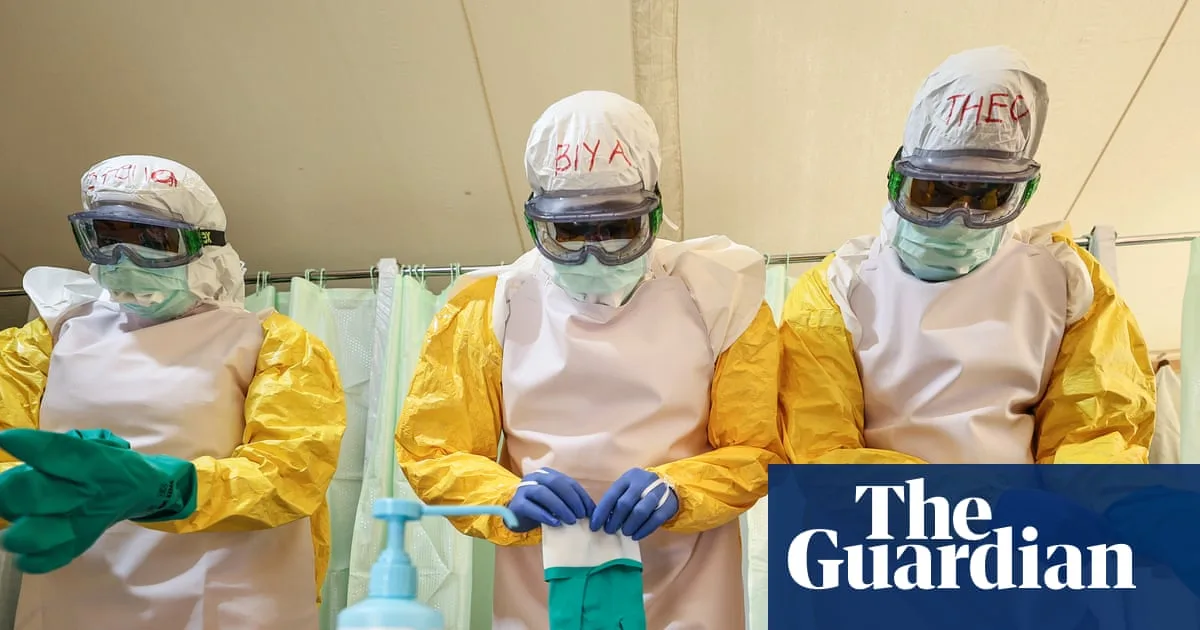
Kenya has confirmed its first case of the Ebola virus, marking a significant escalation in the ongoing outbreak in the Democratic Republic of Congo (DRC). The patient, a Kenyan citizen who had been living in the DRC for seven years, arrived in Nairobi on October 3, 2026, and later died after developing symptoms of hemorrhagic fever. The case, confirmed by Health Cabinet Secretary Aden Duale, has triggered heightened public health measures and international concern.
Timeline of the Case and Response
The patient, who had been in the DRC for seven years, fell ill in late September and received treatment at multiple facilities before traveling by road to Uganda. From there, he boarded a Jambojet flight to Nairobi, arriving at Jomo Kenyatta International Airport on October 3. Upon arrival, he underwent routine health screening before being taken to Nairobi Hospital, where he was isolated and tested for the virus. Laboratory results from the National Virology Reference Laboratory and the Kenya Medical Research Institute confirmed the infection with the Bundibugyo strain of Ebola.
The patient died on October 5 at 11:30 pm, with arrangements underway for a safe and dignified burial in accordance with Ebola protocols. Health authorities have identified 28 contacts, including family members and healthcare workers, who are under 21-day isolation. Another 23 passengers who traveled on the same flight from Uganda are being traced to assess potential exposure.
Context of the DRC Outbreak
The DRC has been battling its largest-ever Ebola outbreak since mid-May 2026, with the Bundibugyo strain causing over 8,442 confirmed cases and 4,080 deaths as of October 2, 2026, according to the latest available outbreak figures. The outbreak has spread to Uganda, which reported 20 cases and two deaths, though the World Health Organization (WHO) declared the country free of the disease in August. Kenya’s case marks the fourth country to report an active case, following the DRC, Uganda, and France.
The outbreak has been described as the fastest-growing in history, with the WHO warning it could become the deadliest if containment efforts fail. The Bundibugyo strain, which lacks an approved vaccine or treatment, has proven particularly challenging to manage. Vaccine and treatment trials are ongoing in the DRC’s Ituri province, the epicenter of the outbreak.
Kenya’s Preparedness and Containment Measures
In response to the confirmed case, Kenya has activated 23 isolation and treatment centers nationwide, including national referral hospitals and facilities near border areas. These centers, part of a broader preparedness strategy, are designed to manage potential surges in cases. Health Cabinet Secretary Aden Duale emphasized that “all systems are in place to mitigate the spread of the disease,” while urging public vigilance.
The Ministry of Health has also trained 4,971 healthcare workers on Ebola prevention and management. Additionally, the government has notified the WHO of the confirmed case and is working to trace all potential contacts. The patient’s flight from Uganda included 23 passengers and four crew members, all of whom are under investigation.
| Detail | Information |
|---|---|
| Confirmed Ebola Cases in DRC (as of October 2) | 8,442 |
| Confirmed Deaths in DRC (as of October 2) | 4,080 |
| Contacts Identified in Kenya | 28 |
| Passengers Traced from Same Flight | 23 |
| Isolation Centers Established in Kenya | 23 |
International Implications and Challenges
The DRC’s outbreak has drawn global attention, with the WHO highlighting the risks of cross-border transmission. Kenya’s proximity to the DRC and Uganda, combined with frequent travel between these regions, has intensified fears of further spread. The country has stepped up disease surveillance at border points, particularly along its borders with Uganda and other neighboring nations.
The outbreak has also reignited debates about international responses to public health crises. A separate report from Marketscreener.com details how the U.S. government’s “America First” policies under the Trump administration have impacted global Ebola efforts, including restrictions on medical evacuations and reduced funding for international health initiatives. These policies, critics argue, have hindered the deployment of medical volunteers and weakened the overall response in the DRC.
Frequently Asked Questions
What strain of Ebola was detected in Kenya?
The case in Kenya involved the Bundibugyo strain of the Ebola virus, which has no approved vaccine or treatment and is considered particularly challenging to manage.
How is Kenya containing the spread of the virus?
Kenya has established 23 isolation and treatment centers nationwide, identified 28 close contacts of the infected individual, and is tracing 23 passengers from the same flight. All contacts are under 21-day isolation, and the government has emphasized that “all systems are in place to mitigate the spread of the disease.”
What is the role of the U.S. facility in Laikipia County?
The U.S.-funded Ebola quarantine facility in Laikipia County, established under the Trump administration, remains operational but has not housed any patients. It was designed to isolate U.S. citizens exposed to the virus but has not been used for this case, as the infected individual was Kenyan.
The confirmation of Kenya’s first Ebola case underscores the urgent need for coordinated international efforts to contain the DRC outbreak. As health authorities monitor contacts and implement containment measures, the situation remains fluid. The WHO has warned that the outbreak could surpass the 2014 West Africa epidemic in scale, with Kenya’s response serving as a critical test of regional preparedness. The next 21 days will be pivotal in determining whether the virus spreads further or is contained within Kenya’s borders.
How significant is this wire dispatch?
Cast your anonymous vote to register reader consensus across journalism and intelligence sectors.
Dateline Wire is dedicated to independent, evidence-backed reporting. This briefing was synthesized from primary source reporting, corroborated across independent newsrooms, and verified against our Editorial Standards.