Transport of dead bodies within Congo risks further Ebola spread, UN agency
The transport of deceased Ebola victims across districts in the Democratic Republic of the Congo is fueling a rapid surge in new infections. Health agencies are struggling to balance traditional burial customs with urgent containment protocols to stop the spread of the virus.
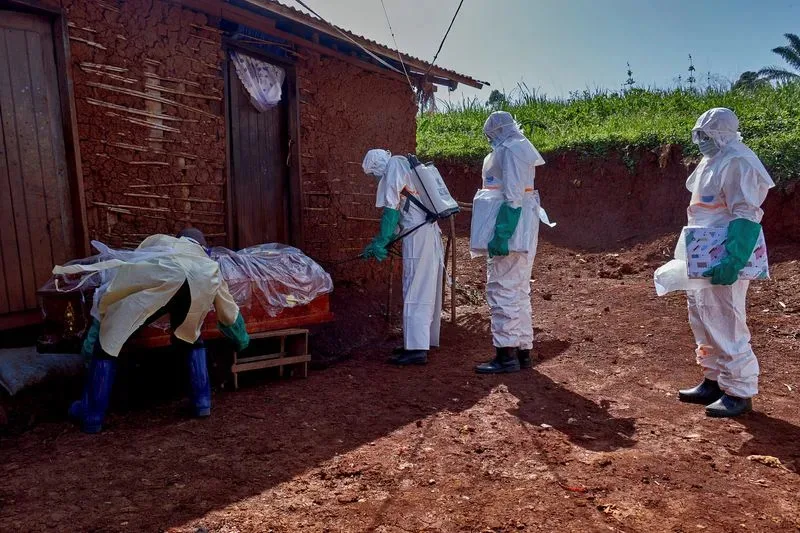
The transport of Ebola victims’ bodies within the Democratic Republic of the Congo (DRC) is exacerbating an outbreak that has already claimed over 700 lives and infected more than 2,000 people, according to the U.N. migration agency. The International Organization for Migration (IOM) warned that moving deceased individuals between districts for traditional funerals risks spreading the virus to new areas, as the Bundibugyo strain remains infectious even after death. This practice has become a critical challenge in containing the epidemic, which has grown by 70% in just two weeks, with over 40 new cases reported daily.
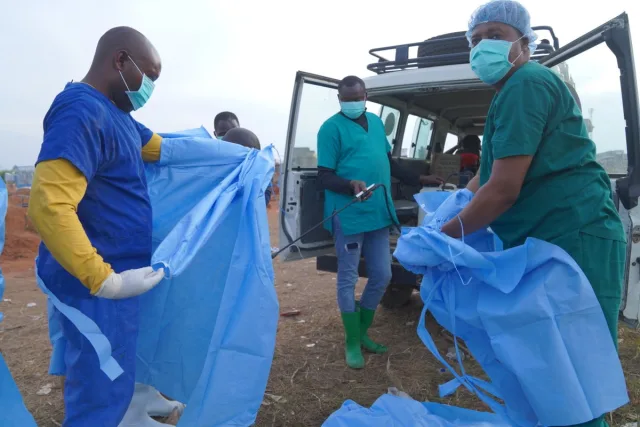
Since the outbreak was declared in May 2026, more than two-thirds of deaths have occurred outside hospitals or clinics, complicating efforts to monitor and control burials. The IOM reported intercepting 105 bodies during surveillance activities at health checkpoints, many of which were being transported for funerals in home communities. These movements, while culturally significant, create opportunities for the virus to spread if safety protocols are not strictly followed. Andrew Mbala, an IOM official, emphasized that “if we don’t manage the dead bodies well, if we don’t engage the community, then it means there will be more spread within the community.”
The Bundibugyo strain, which has caused the third-largest Ebola outbreak on record, is particularly difficult to control due to its prolonged incubation period. Unlike the more aggressive Zaire strain, it allows infected individuals to remain mobile for longer, a phenomenon dubbed “walking Ebola.” This slow progression means patients may spread the virus before severe symptoms force them into isolation. The World Health Organization (WHO) noted that 90% of confirmed fatalities occur before patients reach treatment centers, and four out of every five new infections now arise outside known chains of transmission.
Community resistance has further complicated response efforts. Teams tasked with safe burials have faced opposition and, in some cases, attacks, as traditional practices clash with public health measures. The IOM highlighted that insecurity and distrust of health workers have left one in five Ebola contacts untraceable, hindering contact tracing and containment. In Tshopo province, a recent case linked to body transport contributed to new infections, underscoring the risks of cross-district movement.
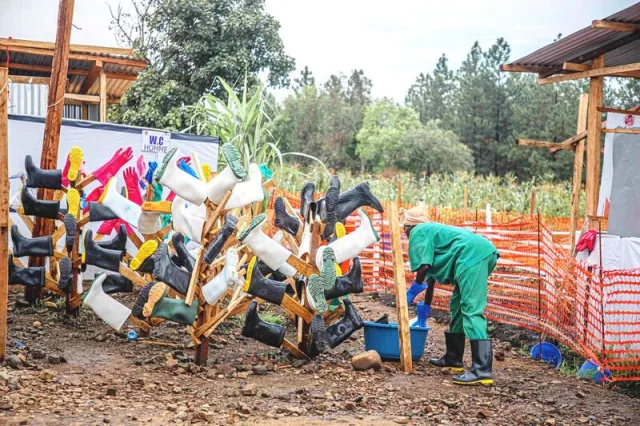
Despite these challenges, efforts to expand treatment capacity and improve surveillance have shown progress. Laboratory networks have grown from one to 16 sites, and over 800 treatment beds are now available. Clinical trials for antiviral drugs like remdesivir and experimental therapies are underway, offering hope for more effective interventions. However, the outbreak’s rapid spread has outpaced containment, with the WHO declaring the situation a “very high” risk in eastern DRC.
The DRC’s volatile environment, including armed conflict in regions like Ituri, has further strained response efforts. Attacks on treatment centers and labor strikes over unpaid wages have disrupted services, while U.S. travel restrictions on citizens in the DRC aim to curb cross-border transmission. Neighboring Uganda, which has reported 20 cases and two deaths, remains on high alert as the virus spreads beyond the DRC’s borders.
As the outbreak continues, health officials stress the urgent need for community engagement and adherence to safe burial practices. The IOM’s Frantz Celestin warned that without addressing the transport of bodies and building trust, the virus will continue to “spread within the community.” With the Bundibugyo strain’s unique characteristics and the challenges of implementation, the path to curbing the epidemic remains fraught, but critical efforts are underway to prevent further devastation.
Dateline Wire is dedicated to independent, evidence-backed reporting. This briefing was synthesized from primary source reporting, corroborated across independent newsrooms, and verified against our Editorial Standards.