Ebola cases in DR Congo top 2,000 as fastest-growing outbreak spreads
The Ebola outbreak in the Democratic Republic of the Congo has reached 2,011 confirmed cases, fueled by the rare Bundibugyo virus, regional conflict, and worker strikes.
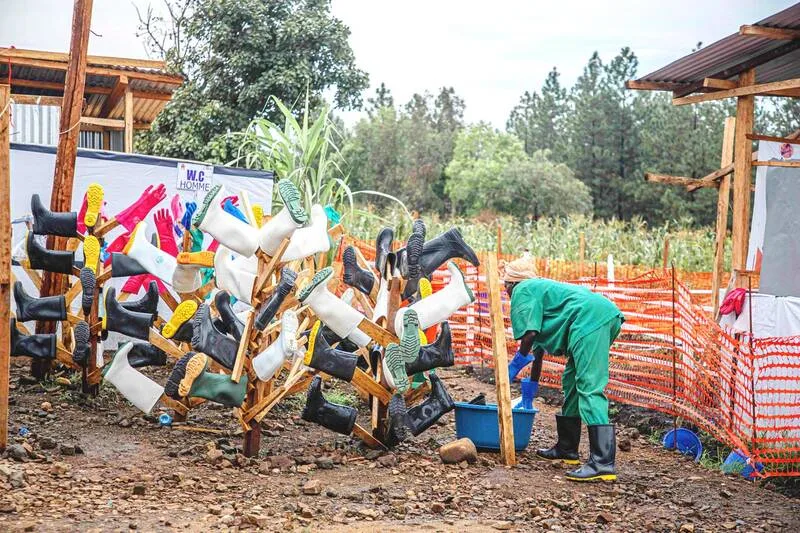
The Ebola outbreak in the Democratic Republic of the Congo (DRC) has reached 2,011 confirmed cases, including 754 deaths, according to government data and World Health Organization (WHO) reports, marking the fastest-growing Ebola outbreak in recorded history, as reported by multiple outlets including Taipei Times, AP News, and Medical Xpress.
The surge, which began in May 2026, has outpaced previous outbreaks, with cases doubling in under two months and transmission spreading to two new provinces beyond its original epicenter in Ituri, according to Taipei Times and CIDRAP. Health officials warn that the true scale of the crisis could be “at least two to four times” higher than official figures, as 80% of new infections occur outside of tracked contact networks, per WHO Director Chikwe Ihekweazu.
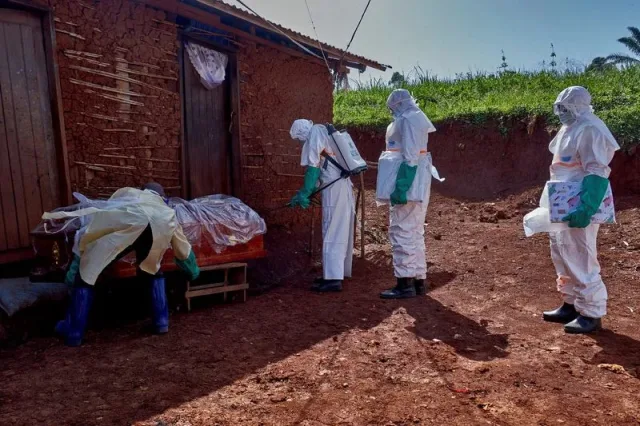
The outbreak, caused by the rare Bundibugyo virus, has overwhelmed response efforts in eastern DRC, where armed conflict, displacement, and mining activities have complicated contact tracing, according to Taipei Times and AP News. Health authorities have identified only 67% of individuals exposed to confirmed cases, while 753 patients remain in isolation or hospitals and 366 have recovered, as noted by AP News and cbc.ca. Dr. Ihekweazu described the situation as a “fire” spreading faster than containment measures can manage, emphasizing that many deaths occur in communities without access to care, per CIDRAP and AP News.
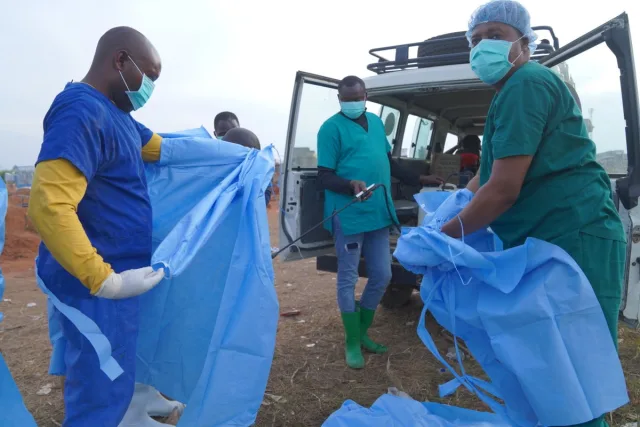
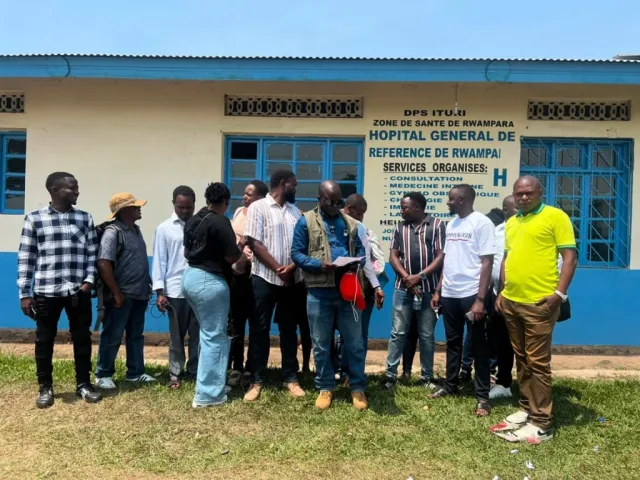
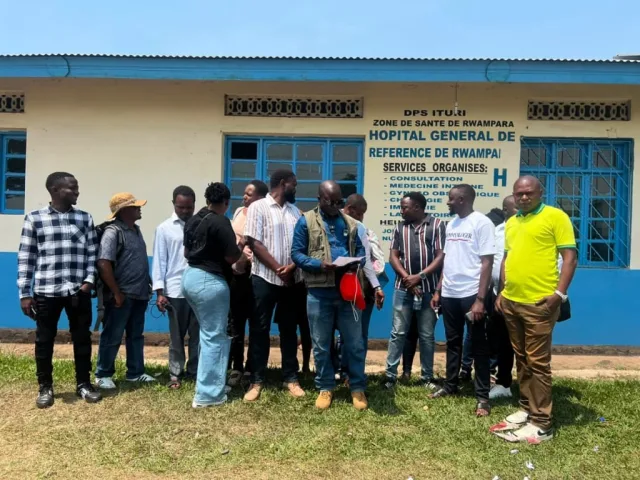
Health worker strikes have further strained the response. At Bunia General Hospital, the region’s largest medical center, staff barricaded the entrance on July 15 to demand unpaid salaries, joining dozens of others in Ituri province who walked off the job over financial disputes, according to AP News and dailysabah.com. A group in Rwampara agreed to return to work after the government pledged payment within 72 hours, as reported by AP News and cbc.ca. The WHO reported that more than 100 healthcare workers have been infected since the outbreak began, with shortages of personal protective equipment and attacks on health facilities exacerbating the crisis, per AP News and dailysabah.com.
The DRC’s Ministry of Health noted that the outbreak has exceeded half the case count of the 2018 Ebola epidemic, which lasted nearly two years, according to CGTN. Unlike the Zaire virus—responsible for most of DRC’s past outbreaks—no approved vaccines or treatments exist for Bundibugyo, complicating efforts, as reported by AP News and cbc.ca. A clinical trial of two potential therapies recently began in Ituri, but challenges persist, per CGTN.
The CDC confirmed no cases linked to the DRC outbreak in the United States, stating the risk to the public remains low, according to cdc.gov. However, the agency has implemented travel screenings and issued advisories for travelers to affected regions. The WHO and DRC health authorities are prioritizing surveillance in Haut Uele province, where new cases have emerged, and expanding diagnostic capacity to curb further spread, as noted by CGTN.
As the crisis deepens, the lack of community trust and misinformation continue to hinder efforts. Health workers face hostility in some areas, while conflicts in eastern DRC disrupt logistics. Ihekweazu called for sustained global support, saying, “Now is not the time to drop the ball,” per CGTN. With the outbreak’s trajectory defying previous patterns, the race to contain it remains a critical test for public health systems and international cooperation.
Dateline Wire is dedicated to independent, evidence-backed reporting. This briefing was synthesized from primary source reporting, corroborated across independent newsrooms, and verified against our Editorial Standards.