UK Chancellor John Healey unveils £100 winter energy payment in 2026 Budget
Chancellor John Healey announced a £2.6 billion relief scheme in his Budget, delivering a £100 winter energy payment directly to twenty million UK households in council tax bands A to D.
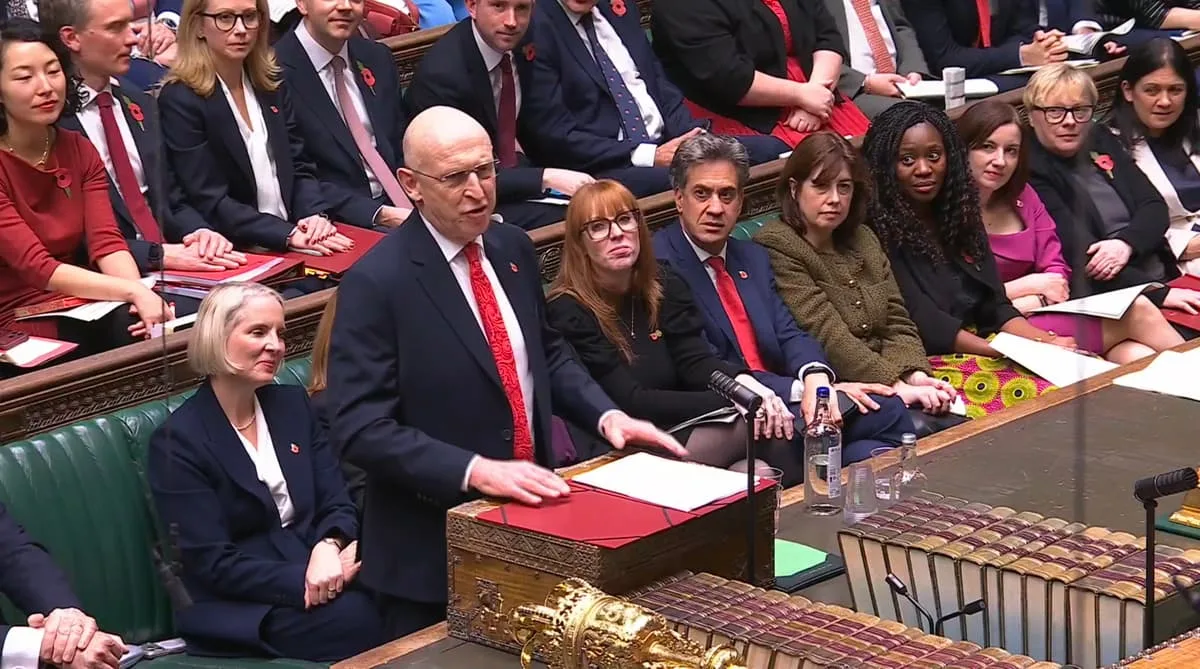
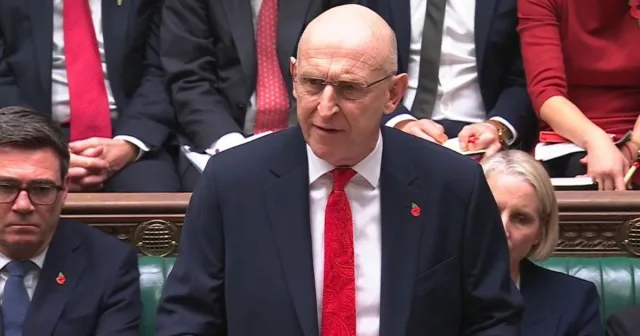
Twenty million UK households in council tax bands A to D will receive a £100 winter energy payment paid directly into their bank accounts under a £2.6 billion relief scheme announced by Chancellor of the Exchequer John Healey. Delivering his first Budget in Parliament on Wednesday, October 28 - the first of its kind under Andy Burnham's leadership - Mr Healey took to the House of Commons at 12.30pm after Prime Minister's Questions, positioning the package as necessary breathing space for families facing rising energy bills driven by the conflict in the Middle East.
The measure forms part of a wider cost-of-living and tax strategy under the administration of Prime Minister Andy Burnham. The Chancellor told MPs that the Government is sticking by its manifesto pledge not to raise taxes on working people.
Who gets the £100 winter energy payment and how does it work?
The financial assistance is targeted specifically at households in council tax bands A to D across the United Kingdom. Mr Healey confirmed that the money will be given to devolved administrations, calling on them to do the same and give people of all nations in the UK breathing space on their energy bills this winter.
In Scotland, the Scotland Office stated the Budget will result in a £600 million boost to the Scottish Government’s coffers. Scottish Secretary Douglas Alexander said, This is a Budget that puts money back in the pockets of Scottish households, backs businesses and puts Scotland firmly at the heart of the UK Government’s plan for growth and reindustrialisation.
He added, There’s a boost for Scotland’s public services too, with an extra £600 million for the Scottish Government to spend.
The move drew immediate domestic pressure from political opponents and charities. The leader of Scottish Labour, Michael Marra, urged the Scottish Government to pass on the payment, stating:
Over 1.8 million households in Scotland would be eligible for the household energy payment if the SNP passes it on. That money should be used to give Scots breathing space, not to plug holes in the Scottish Government budget.
Michael Marra
Mr Marra, who was in London for meetings with the Chancellor and Energy Secretary Miatta Fahnbulleh, added that millions of Scots will benefit from Labour action such as the warm homes discount, scrapping VAT on energy bills, and scrapping the standard charge on gas.
However, the SNP criticized the package. SNP Westminster economy spokeswoman Kirsty Blackman said the Budget showed the Labour Government doesn’t get Scotland,
adding: Instead of providing meaningful help, it has abandoned families in the face of soaring bills and has imposed another betrayal on Scotland’s energy – with the decision to scrap Scottish carbon capture funding. Andy Burnham promised to cut the cost of living but every major household bill has increased on his watch – and the UK Budget completely fails to address the scale of the challenge families are now facing.
Scottish Liberal Democrat leader Alex Cole-Hamilton said the Budget was missing a real growth plan with Europe at its heart.
Poverty and housing charities also raised concerns over the reach of the support. Child Poverty Action Group in Scotland director John Dickie said, There were crumbs of comfort for struggling families from the UK Chancellor today but the flat-rate energy support measures in England take no account of the presence of children in a household, leaving millions of vulnerable children exposed this winter.
Gordon Llewellyn-MacRae, interim director at Shelter Scotland, stated, The Prime Minister was right to make homelessness his priority on day one. Yet today marks a missed opportunity, with a Budget that doesn’t go far enough to address the housing emergency.
Citizens Advice Scotland director of impact David Hilferty noted, While the new household energy payment is welcome, it amounts to a fraction of the rise to bills this year alone, nevermind the huge hikes predicted for in January. Much more is still needed to afford real and meaningful protection against unaffordable energy bills.
Alongside the direct bank payments, the Treasury announced that standing charges on gas bills, which cover the cost of delivery to homes and businesses, will be scrapped from 2027 or as soon as possible after. Furthermore, the current cut to VAT on electricity is being extended through the winter and spring to July, taking £50 off the annual price cap for 29 million households. The Green Party criticized the gas standing charge abolition as tinkering, with a spokesperson arguing that energy bills have skyrocketed and are set to rise by hundreds of pounds again this winter.
What are the tax changes for banks, savers, and motorists?
To help finance the immediate support measures, the Chancellor announced an extra 3% on the Bank Surcharge, starting in January and ending 15 months later. Mr Healey acknowledged the contributions of the nation's financial sector but stated that he is looking to banks to help fund breathing space for British families.
The Office for Budget Responsibility operates as the UK’s independent fiscal watchdog, providing official forecasts for the economy, inflation, public finances, and debt. Its assessments measure whether government tax and spending plans meet established fiscal stability rules.
Savers received clarity as Mr Healey announced that the tax-free cash ISA limit would remain at £20,000, stating he will not go ahead with the cut to the tax-free amount and will work with the sector to create a new "Starter ISA" to reward first-time investors. For motorists, the 5p cut to fuel duty and slashed red diesel rates are extended through the winter and spring to July, supporting households, hauliers, and farmers. The higher mileage rate for workers who rely on their cars, such as care workers and engineers, is increased from 25p to 35p per mile, and the increase to the standard mileage rate introduced earlier in the year is made permanent.
Which businesses and regional projects will receive backing?
British industry is slated for support through a new British industrial competitiveness scheme that will take 25% off electricity bills for 10,000 firms at the heart of British industry, going live in April with backdated payments for energy costs this year too. Small businesses in retail, hospitality, and leisure will see the threshold for small business rate relief raised to £18,000, and rates frozen for all other firms in these sectors in real terms. High street support will be funded by raising taxes on gambling, by increasing Machine Games Duty from 20% to 25% for higher stakes machines while protecting pubs and seaside arcades.
The Chancellor announced that all business rates will be retained locally by the end of the decade with 20% of revenue going to mayors from next year.
Following the Chancellor's address, Leader of the Opposition Kemi Badenoch is scheduled to present her response. Later in the afternoon, the Office for Budget Responsibility will publish its updated forecasts detailing figures for inflation, interest rates, and house prices.
Updated 1 time since publication; last update 11 November 2026, 21:13.